How to Transplant Bloodflower?
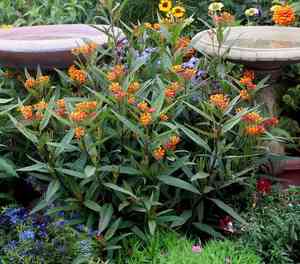
For optimal development of bloodflower, relocate this specimen during the mild temperatures of early to late spring, allowing it to prosper. Select a bright, adequately drained spot to encourage peak growth. Bear in mind, a delicate approach during transplantation guarantees a robust, thriving plant!
What Preparations are Needed Before Transplanting Bloodflower?
What is the Ideal Time for Transplanting Bloodflower?
Early to late spring offers an optimal window for relocating bloodflower. This period supports their development due to mild weather and abundant sunlight. Moving bloodflower at this time can promote healthier growth and ensure vibrant, plentiful blooms. Remember, careful preparation is crucial for successful bloodflower transplantation.
How Much Space Should You Leave Between Bloodflower Plants?
When relocating bloodflower, it's best to provide each plant with adequate room to expand. Ideally, aim for a separation of approximately 8-12 inches (20-30 cm) between them. This will ensure they have sufficient space to flourish and establish a robust root system.
What is the Best Soil Mix for Bloodflower Transplanting?
To ensure bloodflower thrives, prepare the soil by incorporating a well-draining, loamy mix along with a balanced, slow-release fertilizer. This will create optimal growing conditions for these lovely plants and supply them with essential nutrients.
Where Should You Relocate Your Bloodflower?
Location is vital when transplanting bloodflower. Select a site that receives at least 6 hours of daily sunlight, as they prefer full sun or partial shade. This exposure to natural light is critical for their vibrant flowers and healthy development.
What Equipments Should You Prepare Before Transplantation Bloodflower?
Gardening Gloves
These will offer hand protection while working with soil and plants.
Trowel
A small hand tool utilized for digging, applying, smoothing, or shifting small quantities of soil.
Shovel or Spade
You'll need this to excavate the transplant hole and to assist in carefully extracting the bloodflower from its original spot without harming the root ball.
Watering Can or Hose
For irrigating the bloodflower plant during and after the transplanting process.
Mulch
This is crucial for helping to retain soil moisture following the transplant.
Buckets or Containers
If moving bloodflower from a pot to the ground, you'll require a container to transport the plant with minimal disruption.
Pruning Shears
This will aid in trimming any dead or unnecessary parts of the bloodflower plant prior to transplantation.
How Do You Remove Bloodflower from the Soil?
How Do You Remove Bloodflower from the Soil?
From Ground: First, water the bloodflower plant to moisten the soil, making it easier to excavate. Use a shovel or spade to dig a wide circle around the plant, ensuring the plant's root ball remains intact. Attempt to work the spade beneath the root ball and gently lift the plant from its initial location.From Pot: Thoroughly water the plant and allow it to sit for a period to ensure the soil and roots are fully hydrated. Turn the pot on its side, support the main stem with one hand, and use your other hand to lightly tap the pot's bottom to release the plant.From Seedling Tray: Begin by watering the tray to facilitate easy removal. With careful hands, gently extract the bloodflower seedlings by grasping their leaves (not stems), and carefully separate the root ball. Try to remove as much soil with the roots as possible.
Step-by-Step Guide for Transplanting Bloodflower
Preparation
Ensure to thoroughly water the bloodflower plant a day or two before the transplanting procedure. This will help keep the roots hydrated and improve the plant's survival rate.
Dig a Hole
Using your shovel or spade, excavate a hole twice as wide and approximately the same depth as the plant's root ball in the new spot.
Plant Placement
Carefully position the bloodflower plant in the hole, ensuring it sits at the same depth as it was in its previous location. Backfill with soil, pressing gently to eliminate air pockets.
Mulching
Apply a layer of mulch around the plant's base, avoiding the stem, to help maintain soil moisture.
Watering
Thoroughly water the plant using a garden can or hose with a gentle flow.
How Do You Care For Bloodflower After Transplanting?
Watering
Begin with thorough watering after transplant, then irrigate regularly for the subsequent weeks while the bloodflower plant establishes roots in its new environment.
Pruning
Remove any dead or broken stems or flowers to encourage fresh growth.
Monitoring
Keep an eye out for signs of transplant shock, such as wilting or discolored leaves. If you observe any such indications, ensure you're not over or under-watering and that the plant has the necessary conditions.
Frost Protection
If frost is anticipated, cover your bloodflower plant overnight with frost cloth, a blanket, or similar material to keep it warm.
Troubleshooting Common Issues with Bloodflower Transplantation.
When is the best time to transplant bloodflower?
The optimal period for transplanting bloodflower is from early to late spring. This timeframe allows the plant to establish roots before the warmer season.
How far apart should bloodflower be spaced when transplanting?
Sufficient spacing enables bloodflower to grow and spread. Aim for a gap of approximately 8-12 inches (20-30 cm) between each plant.
What can I do if the bloodflower appears wilted after transplantation?
If your bloodflower seems wilted post-transplant, ensure it's adequately watered. However, remember that excessive water can also cause wilting. Provide moderate care.
My bloodflower doesn't grow well after transplanting, why?
Ensure bloodflower receives ample sunlight and isn't overcrowded. Additionally, check the soil quality: it should be well-draining, fertile, and slightly acidic.
How can I reduce shock to bloodflower during transplantation?
To minimize transplant shock, water bloodflower thoroughly before and after planting. Also, try to transplant during the cooler parts of the day.
Why are the leaves of my transplanted bloodflower turning yellow?
Yellowing leaves can indicate overwatering or poor drainage. Make sure your bloodflower isn't sitting in water and the soil allows for good water flow.
How deep should the hole be for bloodflower transplantation?
The hole should be just wide and deep enough to accommodate the existing root structure. Never plant bloodflower deeper than it was in its previous container.
Can I use any soil for transplanting bloodflower?
Bloodflower prefers fertile and well-draining soil with a slight acidity. It does not thrive in heavy clay or overly sandy soils.
When should I start watering bloodflower after transplanting?
You should water bloodflower immediately after transplanting it to help settle the soil around the roots and prevent transplant shock.
What is a good aftercare routine for transplanted bloodflower?
Maintain regular watering, keeping the soil moist but not waterlogged. Weeding and light mulching can help bloodflower thrive post-transplant.



