How to Transplant Butterfly weed?
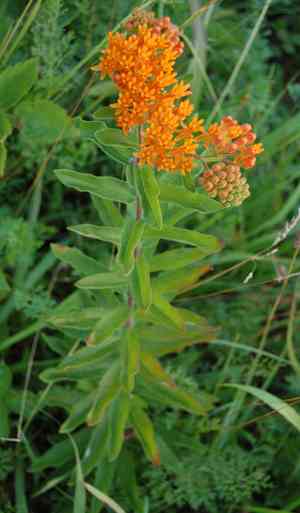
The optimal period for relocating butterfly weed is in early spring, once the plant awakens from its dormant state. Select a site that receives full sun to partial shade and features soil with good drainage for the transfer. Carefully separate the root mass to foster robust development and ensure sufficient hydration following the move.
What Preparations are Necessary Before Relocating Butterfly Weed?
When is the Best Time to Move Butterfly Weed?
Relocate butterfly weed during the 'onset of spring' as the ground begins to warm. This provides sufficient time for root development prior to summer. It's vital for butterfly weed's robust growth and flowering.
What is the Recommended Spacing Between Butterfly Weed Plants?
When moving butterfly weed, aim for a distance of approximately 1-2 feet (30-60 cm) between plants. This allows ample room for growth and expansion, while also creating an attractive garden display.
What is the Optimal Soil Mixture for Transplanting Butterfly Weed?
Before moving butterfly weed, prepare the soil by blending well-draining earth with organic material, such as compost or aged manure. This plant prefers sandy or loamy soil. Incorporate a slow-release granular or balanced liquid fertilizer as a base.
Where Should You Replant Your Butterfly Weed?
Select a garden spot with ample sunlight exposure for relocating butterfly weed, as this plant thrives in full sun or at least 6 hours of daily sunlight. Avoid planting in heavily shaded or poorly drained areas.
What Tools Should You Prepare Before Transplanting Butterfly Weed?
Gardening Gloves
To safeguard your hands while handling soil and the butterfly weed plant.
Shovel or Garden Spade
For excavating holes and trenches during the transplanting process.
Garden Trowel
A small hand tool for extracting butterfly weed from pots or seedling trays and replanting them.
Pruning Shears
To trim any damaged roots or leaves before relocation.
Watering Can or Hose
To gently hydrate the butterfly weed both before and after moving.
Bucket or Wheelbarrow
To transport the butterfly weed and any soil amendments required for transplanting.
Soil Amendment
Such as compost, aged manure, or slow-release fertilizer to enhance soil fertility and structure.
How Do You Extract Butterfly Weed from the Ground?
How Do You Remove Butterfly Weed from the Soil?
From Ground: First, water the butterfly weed plant to moisten the soil. Then, dig a wide trench around the plant using a shovel or spade, ensuring the plant's root ball remains intact. Carefully work the spade beneath the root ball to lift the plant from its original spot.From Pot: Gently water the butterfly weed plant to dampen the soil before taking it out of the pot. Tilt the pot sideways and slide the root ball out, being careful not to harm the roots. If the plant is stuck, gently tap the pot's sides to loosen the soil.From Seedling Tray: Fill a small container with water and carefully place the butterfly weed seedling in the water, allowing the soil to become saturated. Use a garden trowel to gently remove the seedling from the tray, taking care not to damage the roots or stem.
Step-by-Step Guide for Relocating Butterfly Weed
Site Preparation
Clear away any weeds or debris from the transplanting area and loosen the soil with a shovel or garden fork to ensure proper drainage and aeration.
Dig Holes
Excavate a hole for each butterfly weed plant, making them the same depth as the original root ball and twice as wide to accommodate the roots.
Amend Soil
Mix the excavated soil with soil amendments, such as compost or aged manure, to enhance soil fertility and structure.
Place Plant
Gently position the butterfly weed plant in the hole, ensuring the root ball is level with the surrounding soil surface. Spread the roots out in the hole if necessary.
Backfill
Carefully refill the hole with the amended soil, gently pressing it down around the plant's root ball to eliminate air pockets.
Water
Thoroughly water the newly transplanted butterfly weed plant, being careful not to overwater or cause soil erosion.
How Do You Care For Butterfly Weed After Relocation?
Watering
Keep the soil around the butterfly weed consistently moist, but not waterlogged, for the initial few weeks after transplanting to aid in strong root establishment.
Mulching
Apply a layer of mulch around the base of the butterfly weed to help retain moisture and suppress weeds.
Checking for Pests
Regularly inspect the butterfly weed for any indications of pests or diseases, and address them promptly to prevent their spread.
Pruning
Trim dead or damaged foliage as needed to encourage healthy growth.
Feeding
Fertilize the butterfly weed as recommended for its specific variety, being careful not to over-fertilize, which can lead to weak growth and increased susceptibility to pests and diseases.
Troubleshooting Common Issues with Butterfly Weed Transplantation.
When is the best time to transplant butterfly weed?
The ideal time to move butterfly weed is after the winter cold has passed, just as spring begins.
How much space does butterfly weed need?
Butterfly weed requires ample room to grow. Each plant should ideally be positioned 1-2 feet (30-60 cm) apart from one another.
Any special soil requirements for planting butterfly weed?
Butterfly weed thrives in well-drained soil. Keep the soil moist, not waterlogged or dry. It doesn't require special fertilizer, but compost can be beneficial.
Do I need to water butterfly weed soon after transplanting?
Yes, you should water butterfly weed immediately after transplanting. Maintaining moist (but not waterlogged) soil will help the roots to establish.
Do I need to amend soil for butterfly weed transplanting?
While butterfly weed isn't particular about soil, it can benefit from organic matter. Compost or leaf mold can improve soil structure and nutrients.
How deep should the transplant hole be for butterfly weed?
The transplant hole should be deep enough to accommodate the root ball of butterfly weed, typically about 10-12 inches (25-30 cm) deep is sufficient.
Should I loosen the soil around the transplanting hole for butterfly weed?
Yes, loosening the soil can help the roots of butterfly weed spread out more easily, which could promote better growth and establishment in the new location.
What can I do if butterfly weed appears wilting after transplanting?
Don't worry if butterfly weed looks a bit wilted right after transplanting. Ensure it's receiving enough water, and it should recover within a week or two.
Does butterfly weed need sunlight after transplanting?
Butterfly weed needs full sun to grow properly, so it should be transplanted in a location that receives plenty of sun exposure throughout the day.
Should I prune butterfly weed after transplanting?
It's not necessary to prune butterfly weed after transplanting unless there's dead or damaged foliage. Pruning healthy parts can further stress the plant.



