How to Transplant Pawpaw?
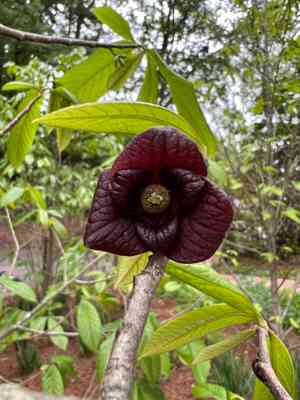
Relocate pawpaw plants preferably in the revitalizing phase of early to mid-spring, facilitating superior root development. Select a site featuring soil that drains effectively, exposure to partial or full sunlight, and sufficient room. Bear in mind, a delicate approach when managing roots is crucial for a thriving relocation.
What Preparations are Needed Before Transplanting Pawpaw?
What is the Ideal Time for Transplanting Pawpaw?
The optimal period for relocating pawpaw is from early to mid-spring. This timing allows the plant sufficient opportunity to acclimate prior to the summer heat. It's gratifying to observe your pawpaw rebound after the winter chill, flourishing and thriving. Envision the satisfaction when, through precise timing and pre-transplant care, the pawpaw rewards your efforts with vigorous growth. It's akin to harmonizing with nature, one positive action at a time. Remember, each well-timed transplant acknowledges life's cyclical splendor.
How Much Space Should You Leave Between Pawpaw Plants?
When moving pawpaw, it's crucial to provide adequate room for development. Aim for a separation of approximately 3-4m (10-13ft). This guarantees ample space for their roots to expand and for them to mature into robust, healthy plants.
What is the Best Soil Mix for Pawpaw Transplanting?
The perfect soil for pawpaw is well-draining and slightly acidic, with a pH between 5.5-7.0. Additionally, enrich the soil by incorporating compost or aged manure as a foundational fertilizer before transplanting. This will supply the necessary nutrients for your plant to flourish.
Where Should You Relocate Your Pawpaw?
When selecting a site for transplanting pawpaw, choose an area that receives full sun to partial shade. Generally, they will require about 6-8 hours of daily sunlight to promote vigorous growth and yield an abundant harvest.
What Equipments Should You Prepare Before Transplantation Pawpaw?
Gardening Gloves
To safeguard your hands while handling soil and plants.
Shovel or Spade
For excavating planting holes, trenches, and assisting in removing the plant from its initial spot.
Watering Can or Hose
To irrigate the pawpaw plant both before and after its relocation.
Pruner or Scissors
For trimming any damaged roots or foliage.
Wheelbarrow, Bucket, or Container
To transport the pawpaw plant and soil.
Stakes and Ties
To offer support for the pawpaw plant if necessary post-transplant.
How Do You Remove Pawpaw from the Soil?
How Do You Remove Pawpaw from the Soil?
From Ground: First, hydrate the pawpaw plant to moisten the soil. Next, excavate a wide trench around the plant using a shovel or spade, ensuring the plant's root ball remains intact. Carefully maneuver the spade beneath the root ball to lift the plant from its original position.From Pot: Water the pawpaw plant, then gently lay the pot on its side. Carefully slide the plant and root ball out of the pot, taking care not to harm the root system.From Seedling Tray: If relocating a pawpaw seedling, water the soil to soften it. Gently use your fingers or a spoon to extract the seedling and its root system without causing any damage.
Step-by-Step Guide for Transplanting Pawpaw
Hole Preparation
Dig a hole at least twice the width and depth of the pawpaw's root ball to allow for ample root expansion.
Root Inspection
Examine the roots of the pawpaw plant and prune any damaged or deceased roots using a pruner or scissors.
Setting the Plant
Position the pawpaw plant in the hole, ensuring the top of the root ball is level with the surrounding soil surface.
Backfilling the Hole
Carefully fill the hole around the root ball with soil, gently compacting it to eliminate air pockets.
Watering
Thoroughly water the pawpaw plant after transplanting, ensuring the soil is uniformly moist.
Staking (if needed)
If the pawpaw plant requires support, place a stake in the ground near the plant and gently secure the plant to it with garden ties.
Mulching
Apply a 2-3 inch layer of mulch around the base of the pawpaw plant to help retain moisture and suppress weeds.
How Do You Care For Pawpaw After Transplanting?
Watering
Water the pawpaw consistently during the initial weeks post-transplant, maintaining moist but not waterlogged soil to aid in establishing robust roots.
Pruning
Remove any damaged or dead branches, leaves, or flowers on the pawpaw plant to encourage healthy growth.
Frost Protection
If transplanting in an area prone to frost, ensure to provide protection, such as a frost cloth, to keep the pawpaw plant safe during cold temperatures.
Monitoring Growth
Keep a close watch on the pawpaw plant's growth and overall health, addressing any issues like pests or diseases promptly.
Troubleshooting Common Issues with Pawpaw Transplantation.
When is the best time to transplant pawpaw?
The most suitable period to move pawpaw is from early to mid-spring, while the plant is still dormant.
What is the correct distance to space pawpaw when transplanting?
Ensure you provide pawpaw with sufficient room to grow. A spacing of approximately 10-13 feet (3-4m) between plants is ideal.
Why does my transplanted pawpaw look wilted?
Transplant shock might be causing your pawpaw to wilt. Maintain proper watering and be patient. The plant typically recovers within a few weeks.
Why is my pawpaw not growing after transplanting?
Insufficient nutrients, sunlight, or water could impede the growth of your pawpaw. Also, ensure the soil is well-drained to prevent waterlogging.
How should I prepare the soil for transplanting pawpaw?
Incorporate compost into the planting hole to supply nutrients. The soil should be deep and well-drained with a neutral to slightly acidic pH.
What is the correct depth to plant pawpaw during transplantation?
Plant pawpaw to the same depth it was in its container. Planting too deep can stress the plant, leading to growth problems or even death.
Can pawpaw be transplanted in shady locations?
Pawpaw prefers full sun to partial shade. A lack of sunlight can minimize plant growth and reduce the quality and quantity of fruit.
Should pawpaw be watered immediately after transplanting?
Yes, thoroughly water pawpaw after transplanting. Consistent moisture helps the plant establish its root system, but avoid over-watering.
How often should I water the pawpaw after transplanting?
For the initial few weeks after relocating pawpaw, water it well every two to three days. Once established, weekly deep watering is sufficient.
Should I add fertilizer after transplanting pawpaw?
Unless the soil is lacking, pawpaw does not require extensive fertilization. Excessive fertilization can result in lush foliage but less fruit.



