How to Transplant White wild indigo?
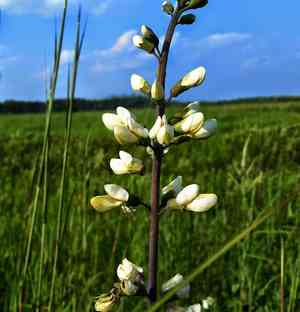
The optimal time to relocate white wild indigo is as the mild temperatures of late spring transition into the welcoming warmth of early summer, facilitating root development. Select a bright location featuring soil that drains effectively. Should relocation be considered necessary, reduce disruption to the root system as much as possible to maximize successful integration.
What Preparations are Needed Before Transplanting White Wild Indigo?
What is the Ideal Time for Transplanting White Wild Indigo?
The best period for moving white wild indigo is from late spring to early summer. Once the last frost has passed, white wild indigo adapts quickly, benefiting from mild temperatures and longer daylight hours. Transplanting white wild indigo during this time promotes strong root development before the intense summer heat, ensuring a solid base for thriving throughout the year.
How Much Space Should You Leave Between White Wild Indigo Plants?
When preparing to transplant white wild indigo, ensure adequate room for its development. Ideally, position the plants approximately 2-2.5 feet (about 60-76 cm) apart. This spacing will significantly enhance their overall growth.
What is the Best Soil Mix for White Wild Indigo Transplanting?
White wild indigo thrives in well-draining soil with a pH ranging from slightly acidic to neutral. To prepare the soil, incorporate a base fertilizer rich in organic matter. Ensure it's thoroughly mixed in a few days prior to transplanting for optimal results.
Where Should You Relocate Your White Wild Indigo?
When selecting a new spot for white wild indigo, choose a location that receives ample sunlight throughout the day. Approximately 6 hours of direct sun is ideal. This sunny position is crucial for white wild indigo's healthy development.
What Equipments Should You Prepare Before Transplantation White Wild Indigo?
Gardening Gloves
To safeguard your hands while handling soil and white wild indigo.
Shovel or Spade
An essential implement for excavating the planting hole and extracting the plant from its original site.
Garden Knife or Pruners
Useful for carefully separating any roots that might be attached to the ground or tangled during the transplanting process.
Garden Hose or Watering Can
For hydrating the plant before and after its relocation.
Wheelbarrow or Gardening Tote
Consider using a wheelbarrow or similar container to transport the white wild indigo plant, minimizing damage to its root ball during movement.
Organic Matter/Compost
To enrich the transplanting site and aid the white wild indigo plant in quickly establishing itself in its new environment.
How Do You Remove White Wild Indigo from the Soil?
How Do You Remove White Wild Indigo from the Soil?
From the Ground: Prior to beginning, water the white wild indigo plant to soften the soil and reduce stress during removal. Use a shovel or garden spade to dig around the plant, creating a wide trench that accommodates its root spread and depth. Gently work the spade beneath the root ball to lift the plant from its initial location, keeping as much of the roots and soil intact as possible.From a Pot: Begin by thoroughly watering the white wild indigo plant to facilitate easy removal of the root-ball. Tilt the pot sideways, then gently tap or squeeze it to loosen the root ball. Hold the plant at its base and carefully slide it out. Avoid pulling on the plant stem, as this can cause detrimental root damage.From a Seedling Tray: If starting from seedlings, water them first, then push up from the bottom of the trays to lift them. Be careful not to pull the plant or disturb the roots.
Step-by-Step Guide for Transplanting White Wild Indigo
Prepare the Transplant Hole
First, dig a hole deep enough to comfortably fit the white wild indigo root ball and twice its width. If the soil is heavy clay or very sandy, you might want to add organic matter to improve its texture.
Set the white wild indigo in the Hole
Carefully place your white wild indigo into the prepared hole. The top of the root ball should be level with or slightly above the surrounding soil to prevent water from pooling at the plant's base.
Backfill the Hole
Gently fill the hole with soil, ensuring the plant remains upright. Firm the soil lightly but avoid compacting it too much. If the plant leans, adjust its position and add a bit more soil until it stands straight.
Water Thoroughly
After transplanting, water generously. This helps settle the soil and minimizes transplant shock. Allow the water to drain, then fill any sunken areas with more soil and water again.
How Do You Care For White Wild Indigo After Transplanting?
Watering
Keep the soil consistently moist, but not waterlogged, especially during the initial weeks to help white wild indigo establish strong roots.
Mulching
Apply a 2-3 inch layer of organic mulch around the plant's base, ensuring it doesn't touch the stem. This helps retain moisture, regulate soil temperature, and suppress weeds.
Pruning
Trim the white wild indigo plant by removing any dead or damaged parts. This encourages new growth and helps maintain the plant's form.
Monitoring
Regularly observe your white wild indigo plant for any signs of stress or disease, such as wilting or discolored leaves. Prompt action can save your plant.
Troubleshooting Common Issues with White Wild Indigo Transplantation.
When is the best time to transplant white wild indigo?
The optimal period for relocating white wild indigo is during its dormant phases, typically from late summer to autumn (S3-S4).
What's the recommended spacing for transplanting white wild indigo?
White wild indigo requires ample room to spread, so aim for a distance of approximately 2-2.5 feet (60-75 cm) between individual plants.
Should I water white wild indigo immediately after transplanting?
Yes, watering white wild indigo right after transplanting aids in settling the soil and reducing transplant shock. Just be careful not to overwater!
Do I need to amend the soil before transplanting white wild indigo?
White wild indigo prefers well-draining soil, which can be improved by incorporating organic matter or compost into heavy soils. This step is beneficial for transplanting.
How deep should I plant the white wild indigo?
Plant white wild indigo at the same depth it was growing in its previous container. This helps prevent potential root problems.
Should I prune white wild indigo after transplanting to reduce water loss?
Pruning is not necessary and could potentially harm white wild indigo. However, you can remove any damaged or dead foliage to encourage healthy growth.
Why are the leaves of my transplanted white wild indigo wilting?
Wilting after transplanting can be a normal stress response. If it persists beyond a couple of weeks, there might be issues with watering or soil conditions.
Can I transplant mature white wild indigo?
Transplanting mature white wild indigo can be challenging due to their extensive root systems. It's generally better to transplant younger plants when feasible.
How long should I wait to fertilize white wild indigo after transplanting?
Allow about 4-6 weeks for white wild indigo to recover from transplant shock before applying a general-purpose fertilizer.
Do I need to stake white wild indigo after transplanting?
White wild indigo is a robust plant and typically doesn't require staking. However, if the plant is top-heavy or exposed to strong winds, staking can offer additional support.



