How to Transplant Yellow rocket?
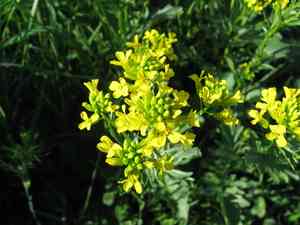
The most favorable period for relocating yellow rocket is from the onset of mid-spring through the milder temperatures of late spring, which guarantees vigorous development. Select a location that receives full sun to partial shade and possesses soil with good drainage. Should yellow rocket appear elongated, embed it more deeply for enhanced support; provide regular watering after transplantation.
What Preparations are Needed Before Transplanting Yellow Rocket?
What is the Ideal Time for Transplanting Yellow Rocket?
The optimal period for relocating yellow rocket is during the revitalizing phase of mid to late spring. This timeframe offers an excellent combination of mild temperatures and sufficient development time prior to summer's full intensity. Moving yellow rocket in this season leverages the moderate weather, ensuring root establishment without the stress of summer heat or winter cold. A friendly tip â embracing this timing can significantly boost your yellow rocket's potential for success, promising a vigorous growth season ahead!
How Much Space Should You Leave Between Yellow Rocket Plants?
To help yellow rocket flourish, position each transplant approximately 0.5-1 foot (15-30 cm) apart. This spacing will allow them to grow without competing for nutrients and water. Remember, your garden is a collaborative effort, not a competition!
What is the Best Soil Mix for Yellow Rocket Transplanting?
For yellow rocket, the soil composition is vital. Consider using loamy soil, as it will provide the appropriate balance of nutrients. Before transplanting, mix in some organic-based fertilizer. It's like a feast for your plant, packed with the right kind of nourishment!
Where Should You Relocate Your Yellow Rocket?
Placement is crucial for yellow rocket! A location with full sun to partial shade will keep them content. Aim for about 4-6 hours (yes, just like your workday!) of sunlight daily to keep them vibrant and thriving.
What Equipments Should You Prepare Before Transplantation Yellow Rocket?
Gardening Gloves
To shield your hands from sharp implements and coarse soil.
Shovel
Perfect for digging and efficiently extracting plants from the ground.
Spade
To shape the planting hole and work in confined areas.
Garden Trowel
For removing plants from containers without harming roots.
Watering Can/Hose
To hydrate the plant both before and after relocation.
Burlap (optional)
To safeguard the root ball of larger plants during transport.
Supporting Stakes and Ties
For newly transplanted yellow rocket plants that require extra support to prevent them from toppling over.
How Do You Remove Yellow Rocket from the Soil?
How Do You Remove Yellow Rocket from the Soil?
From Ground: First, thoroughly water the yellow rocket plant to moisten the soil, which simplifies the digging process. Using your spade, carefully dig around the plant, avoiding the roots, and create a trench deep enough to fully encompass the root ball. Next, gently lift the plant from its original spot while keeping the root ball intact. If the plant is large, wrap the root ball in burlap for protection during transit.From Pot: Begin by giving the plant a good watering. Turn the pot sideways, hold the yellow rocket plant gently by its base, and tap the bottom of the container until the plant slides out. Avoid pulling the plant to prevent potential damage to the stem or roots.From Seedling Tray: Water the yellow rocket seedlings first. Use a garden trowel or similar tool to carefully lift the seedling and its surrounding soil, ensuring to retain as much soil around the roots as possible to minimize transplant shock.
Step-by-Step Guide for Transplanting Yellow Rocket
Hole Preparation
Dig a hole at the transplant site that is twice as wide and as deep as the root ball of your yellow rocket plant, using your shovel or garden trowel. The additional space allows the roots to easily spread out, promoting quicker growth.
Placement
Position the yellow rocket plant in the center of the hole. The top of the root ball should be at or slightly above ground level to prevent waterlogging. If the plant was in a seedling tray or pot, ensure it remains at the same depth as before.
Backfill
Fill the hole by backfilling it with garden soil. Be careful not to pile soil against the plant's stem to prevent rot.
Watering
Water the plant generously after transplanting to help it settle and to compact the soil around its root system.
Stabilizing
Larger yellow rocket plants may need staking after transplanting to prevent them from falling over. Use your supporting stakes and ties, making sure not to tie the plant too tightly. The plant requires room to sway with the wind to encourage stronger stem development.
How Do You Care For Yellow Rocket After Transplanting?
Watering
The soil should remain consistently moist but not waterlogged after transplantation. Monitor your yellow rocket plant carefully and adjust your watering schedule based on the plant's requirements. Both overwatering and underwatering can be detrimental to your newly transplanted plant.
Feeding
Wait a few weeks before fertilizing, allowing the yellow rocket plant time for initial root establishment. Resume feeding at half strength initially, then gradually increase to a full dose as the plant's growth begins to accelerate.
Pruning
Ensure to observe early growth and prune if necessary. This helps the yellow rocket plant to focus its energy on root expansion rather than foliage or flower development.
Protection
Keep an eye out for pests and diseases in the weeks following transplanting. Should an infestation occur, react promptly to maintain your plant's good health. Practices like using insect mesh, traps, or natural pest control help keep a healthy yellow rocket plant.
Staking
Continue to monitor staked plants and adjust the ties as needed to allow room for growth.
Troubleshooting Common Issues with Yellow Rocket Transplantation.
When is the best time to transplant yellow rocket?
The ideal seasons to transplant yellow rocket are late summer to early fall, corresponding to seasons 2-3. Doing so gives the plant ample time to establish roots before winter.
What distance should be maintained between two yellow rocket while transplanting?
For successful growth, maintain a space of about 0.5-1 foot (15-30 cm) between each yellow rocket plant. This ensures they have adequate room to grow and spread.
My transplanted yellow rocket look wilted, what could be the problem?
Wilted yellow rocket after transplanting is often a sign of transplant shock. Regular watering and avoiding direct sunlight can aid in its recovery.
What kind of soil conditions does yellow rocket prefer for optimal growth?
Yellow rocket prefers well-draining soil, rich in organic matter. A pH between 6.0 and 7.5 is typically optimal for this plant's growth.
Do I need to water yellow rocket immediately after transplanting?
Yes, watering yellow rocket immediately after transplanting is crucial to help the plant settle in the new location and avoid transplant shock.
How deep should I plant a transplanted yellow rocket?
Plant yellow rocket as deep as its root ball (the compressed roots and soil from its original pot), so the top of the root ball is level with or slightly below the soil surface.
Does yellow rocket require any specific fertilization after transplantation?
Yellow rocket benefits from a well-balanced fertilizer applied after transplantation. However, too much fertilization can cause more harm than good so follow the instructions on the label.
Why are the leaves of my yellow rocket turning yellow after transplantation?
Yellow leaves in yellow rocket could indicate overwatering, under-watering, or nutrient deficiency. Check your watering schedule and the soil's nutrient balance.
Should I prune my yellow rocket after transplanting?
While it's not mandatory, lightly pruning yellow rocket after transplanting can promote growth by putting more energy into root development.
Is direct sunlight a problem for the transplanted yellow rocket?
Yellow rocket can tolerate full sun, but it does best in partial shade to avoid stress from intense sunlight, particularly during the first few weeks after transplantation.



