How to Transplant Common barberry?
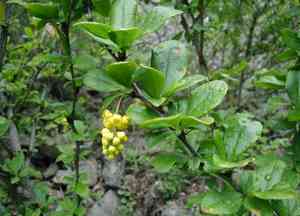
Common barberry transplantation flourishes optimally amidst the vigor of vibrant mid to late spring or the onset of early summer, periods when temperate conditions facilitate root integration. Select a sun-drenched location featuring adequately draining soil, and if required, amend the area with organic material to foster the common barberry's fresh start.
Necessary Preparations Before Relocating Common Barberry
Optimal Timing for Transplanting Common Barberry
The best time to move common barberry is from mid to late spring. This period allows the plant to establish its root system in mild weather, promoting vigorous growth and resilience. Selecting this timeframe provides common barberry with a strong start, utilizing the season's stable conditions to minimize shock and encourage healthy development.
Recommended Spacing Between Common Barberry Plants
When moving common barberry, position each plant approximately 2-3 feet (0.6-0.9 meters) apart. This provides ample room for growth and expansion without overcrowding. You're doing an excellent job!
Ideal Soil Mixture for Common Barberry Transplantation
The most suitable soil for common barberry is well-draining and rich in organic matter. One week before transplanting, enrich the soil with a balanced base fertilizer. An NPK 14-14-14 blend works exceptionally well for common barberry!
Choosing the New Location for Your Common Barberry
Location is crucial, my friend! Common barberry thrives in full sunlight but can also tolerate some partial shade. Therefore, seek out a spot that offers a good balance of both. Remember, every plant is unique, and yours will indicate where it's most content!
Equipment Required Before Transplanting Common Barberry
Gardening Gloves
Plants like common barberry can have thorny stems, so protecting your hands is essential.
Shovel/Spade
A sturdy shovel or spade is necessary for excavating the new planting hole.
Gardening Fork
This tool assists in carefully lifting the plant without harming its root system.
Wheelbarrow
For transporting the plant from its original spot to the new location.
Watering Can/Hose
These are needed to hydrate the plant both before and after the transplant.
Mulch
Mulch helps maintain soil moisture and insulates the plant's root system.
Pruning Shears
To trim any dead or diseased branches prior to transplanting.
How to Extract Common Barberry from the Soil
How to Extract Common Barberry from the Soil
From Ground: First, it's advisable to water the common barberry plant the day before transplanting. This hydrates the plant and softens the soil for digging. Using a gardening fork, dig around the plant, maintaining a significant distance from the base to avoid damaging the root system. Gently lift the plant from the ground and place it on a wheelbarrow if needed for transport.From Pot: Water the plant the day before transplanting. Then, invert the pot, placing your hand over the top, and carefully pull the plant out. If the roots appear tightly bound, they can be gently separated by hand.Seedling Tray: Water the tray to prevent stress to the young plants when lifted. Hold each seedling by its leaves, not its stem, as the stem is easily damaged. Carefully lift it out of its cell, being cautious not to harm the roots.
Step-by-Step Guide for Transplanting Common Barberry
Preparation
Prepare the new hole where the common barberry plant will be moved. The hole should be approximately twice the width of the plant's root ball.
Positioning
Place the common barberry plant into the hole, ensuring the top of the root ball is level with the ground surface, adjusting the soil in the hole as needed.
Backfilling
Refill the hole with the excavated soil, gently firming it around the plant.
Watering
Water the plant generously after transplanting, allowing the water to penetrate deeply into the soil.
Mulching
Apply a layer of mulch around the plant's base to help retain soil moisture and suppress weeds.
Follow-up care
Monitor the plant over the subsequent weeks to ensure it is establishing correctly.
Post-Transplant Care for Common Barberry
Pruning
Remove any dead leaves or weak branches that may have been damaged during the relocation. This allows the common barberry plant to focus its energy on re-establishing its roots.
Watering
Continue to water the plant until it becomes re-established. However, be careful not to overwater, as this can lead to root rot.
Assessment
Closely observe the common barberry plant for a few weeks after transplanting to ensure it's adapting to its new environment. It's normal for the plant to experience some shock after being moved, but new growth indicates good adjustment.
Resolving Common Issues with Common Barberry Transplantation
When is the optimal time to transplant common barberry?
The ideal period to transplant common barberry is typically between late summer and early autumn (S2-S4). This is when the plant has reached sufficient maturity.
What is the correct spacing for common barberry?
Proper spacing for common barberry is crucial for optimal growth. Aim for approximately 2-3 feet (60-90cm) apart when transplanting.
How should I prepare the soil before transplanting common barberry?
First, enrich your garden soil with organic matter. Ensure it is well-drained. Common barberry prefers a neutral to slightly acidic soil pH.
How deep should the hole be for transplanting common barberry?
The hole should be deep enough to fully accommodate the root ball of common barberry, generally around 10 inches (25cm) deep.
How frequently should I water common barberry after transplanting?
Water common barberry immediately after transplanting. For the initial few weeks, keep the soil consistently moist but avoid overwatering.
What to do if the transplanted common barberry shows signs of wilting?
Wilting could indicate transplant shock. Reduce sun exposure, ensure adequate watering, and consider using a root stimulator product.
Should I fertilize common barberry immediately after transplanting?
Avoid fertilizing right after transplanting. This could cause root burn. Wait at least 4 weeks before applying a balanced, slow-release granular fertilizer.
Why are the leaves of my transplanted common barberry turning yellow?
Yellow leaves might suggest overwatering or nutrient deficiencies. First, check your watering practices, then consider using a nutrient-rich compost.
How much sun does my transplanted common barberry require?
Common barberry is adaptable. It thrives in partial to full sunlight. Aim for about 6 hours of sunlight daily.
Should I prune common barberry after transplanting?
Not necessarily. Pruning is primarily done to maintain shape and remove dead, damaged, or diseased parts.



