How to Transplant Common borage?
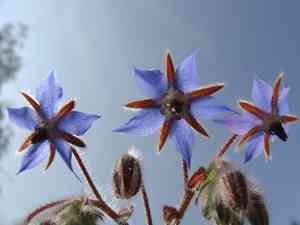
Springtime presents a perfect opportunity for relocating ordinary borage. Choose a brightly lit area with fertile ground. Should it be required, amend the earth to create a welcoming new environment for these charming plants.
What Preparations are Needed Before Transplanting Common Borage?
What is the Ideal Time for Transplanting Common Borage?
The perfect time to move common borage is during the revitalizing period of early spring. This allows young plants to establish roots in mild soil, ready for vigorous development. Introducing common borage to its new location at this time maximizes its health, leveraging spring's life-giving environment. A helpful hint: transplant common borage when gentle temperatures and fertile ground promise a lush, thriving garden welcome.
How Much Space Should You Leave Between Common Borage Plants?
Excellent news for your common borage plant! A spacing of 1-2 feet (30-60 cm) works perfectly. This provides your plant ample room to expand and ensures it can efficiently absorb nutrients from the soil. A little space truly makes a significant impact!
What is the Best Soil Mix for Common Borage Transplanting?
Your common borage prefers soil that drains well, so avoid areas where water collects. Soil rich in organic material would be optimal. Incorporate some compost or aged manure into your garden bed; this will help nourish both the soil and your plants!
Where Should You Relocate Your Common Borage?
Let the sun shine on your common borage plant, as they thrive in sunny locations! However, they can also endure partial shade. Just ensure they receive at least 5 to 6 hours of sunlight daily for optimal blooming.
What Equipments Should You Prepare Before Transplantation Common Borage?
Shovel or Trowel
These implements are used to excavate a hole in the ground and move the plant. Select one that matches the size of the common borage's root ball.
Gardening Gloves
To safeguard your hands while handling soil and plants. These can prevent cuts and abrasions from the plant's roots and any thorns.
Watering Can or Hose
Used to thoroughly hydrate the plant before and after relocation. Remember, successful transplanting requires well-moisturized plants.
Pruning Shears
This tool is employed to trim the common borage plant if it has become too dense and requires management prior to transplanting.
Wheelbarrow or Container
Depending on the common borage's size, you might need a vessel to hold the plant during its transfer.
How Do You Remove Common Borage from the Soil?
How Do You Remove Common Borage from the Soil?
From Ground: If the common borage plant is currently in the ground, it's crucial to be very careful not to harm its roots. Begin by watering the plant thoroughly to help loosen the soil. Then, dig a wide circle around the plant, maintaining a safe distance from the main stem to avoid cutting into the root zone. Gradually work your shovel or trowel beneath the root ball and gently lift it out, keeping the root ball intact.From Pot: If the common borage plant is in a pot, water it well first. Then, carefully tilt the pot on its side and ease out the plant by holding its base. If it's stuck, tap the pot's edges to loosen the soil and roots.From Seedling Tray: If you're transplanting common borage plant seedlings, start by watering the tray thoroughly. Carefully push the seedling out from the bottom or use a spoon or small trowel to lift it, ensuring not to damage the roots.
Step-by-Step Guide for Transplanting Common Borage
Adjustments
Trim the common borage plant if it's overgrown, removing any dead or unhealthy portions. Some plants respond well to a bit of pruning during transplanting. It helps them direct energy towards new root development.
Preparation
Dig a hole twice as wide and the same depth as the common borage's root ball. The stem's base should be level with the surrounding soil when planted.
Placement
Position the common borage plant into the hole, spreading its roots outwards.
Backfill
Carefully refill the hole, gently firming the soil as you proceed. Try to avoid leaving any air pockets around the root ball.
Watering
Water the common borage plant thoroughly immediately after transplanting. This will help the soil settle and eliminate any remaining air gaps.
How Do You Care For Common Borage After Transplanting?
Maintenance
Observe the common borage plant after transplanting for any signs of shock, such as wilting or leaf drop. If these symptoms appear, it may require more water or protection from intense sun, at least until it recovers.
Weeding
Watch for any weeds around the common borage plant, as they can compete for nutrients and water. Remove them regularly, being careful not to disturb the common borage's roots.
Protection
If extreme weather is anticipated, like a heatwave or frost, it's wise to consider providing the common borage plant with some protection. You might use a shade cloth or protective fleece, depending on the conditions.
Troubleshooting Common Issues with Common Borage Transplantation.
When is the best time to transplant common borage?
The optimal period to transplant common borage is during mild conditions, specifically between early spring and mid-summer. These seasons offer ideal growing environments for the plant.
What is the ideal spacing to consider while transplanting common borage?
Allow a distance of approximately 1-2 feet (30-60 cm) between each common borage. This provides sufficient room for optimal growth and prevents plant overcrowding.
Why are my transplanted common borage wilting and how can I fix this?
Wilting after transplanting typically indicates water stress. Ensure common borage receives adequate water, but avoid overwatering. Also, confirm good soil drainage to prevent root rot.
How should I prepare the ground before transplanting common borage?
Before transplanting common borage, loosen the soil to a depth of 12 inches (30 cm) and mix in compost. This enriches the soil and creates a favorable environment for the plant.
Is it necessary to harden off common borage before transplanting?
Yes, it's essential. Hardening-off gradually acclimates common borage to outdoor conditions, reducing the risk of shock that can impede its growth post-transplant.
What is the ideal soil composition for transplanting common borage?
Common borage thrives in well-drained soil that is rich in organic matter. Slightly alkaline conditions are also beneficial for its optimal development.
Why are the leaves of my transplanted common borage changing colour?
If common borage's leaves are discolored, it could indicate a nutritional deficiency, improper watering, or disease. Check the plant's growing conditions and seek expert advice if needed.
How much sunlight should common borage get after being transplanted?
Common borage enjoys a sunny location. Aim to provide your transplanted common borage at least 6 hours of direct sunlight daily.
How long does it typically take for common borage to establish after transplanting?
Typically, common borage requires a few weeks to settle and begin new growth after transplanting. However, this may vary depending on existing weather and soil conditions.
Can I transplant common borage in a container?
Yes, common borage can be successfully transplanted into a container. Ensure it has ample space to grow and the container provides adequate drainage.



