How to Transplant Cane bluestem?
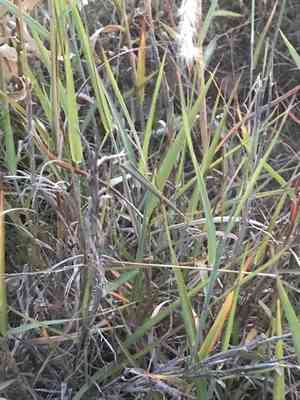
The optimal period for transplanting cane bluestem is in the spring, as moderate temperatures encourage root development. Select a location that receives ample sunlight and has soil that drains effectively. Should additional support be required, temporarily stake juvenile plants to provide stability.
Essential Preparations Before Relocating Cane Bluestem?
Optimal Period for Cane Bluestem Relocation?
The best time for moving cane bluestem is during the mild conditions of early spring. This timeframe supports root development before summer's heat intensifies. Transplanting cane bluestem in this season provides it with an excellent start, as moderate temperatures and increasing daylight hours encourage strong root growth while minimizing stress. Choosing this season for transplantation ensures cane bluestem thrives, leveraging spring's nurturing environment for a vigorous and productive growth cycle.
Recommended Spacing Between Cane Bluestem Plants?
For cane bluestem, maintaining a distance of approximately 3-4 feet (or 0.9-1.2 meters) between plants is ideal. This ensures they have sufficient room to grow and flourish. As a novice gardener, remember to provide adequate space for your plants!
Best Soil Mixture for Cane Bluestem Transplantation?
Cane bluestem thrives in well-draining soil, ideally with a sandy or gravelly composition. A commercial cactus potting mix is highly suitable. Prior to transplanting, enrich the planting hole with a slow-release, all-purpose fertilizer.
Selecting a New Location for Your Cane Bluestem?
Choose a site for cane bluestem that receives full sun to partial shade throughout the day. Please note, full sun implies at least 6 hours of direct sunlight. You've got this, new gardener!
Equipment Needed Before Transplanting Cane Bluestem?
Gardening Gloves
These protect your hands when working with soil and the plant.
Small Trowel
Useful for carefully digging around the plant, especially if it's small or in a container.
A Shovel or Spade
Necessary if the plant has grown large or has deep roots in the ground.
Watering Can with a Rose
Allows for gentle watering without disturbing the plant or surrounding soil.
Pruning Shears
For trimming any damaged roots or leaves before and after the transplant.
Wheelbarrow or Bucket
To transport the plant from its original spot to its new home.
How to Extract Cane Bluestem from the Soil?
How to Extract Cane Bluestem from the Soil?
From Ground: Start by watering the cane bluestem to moisten the soil. Increased moisture helps in successful plant extraction. Dig widely around the plant, being careful to keep the root ball intact. Gently work your spade under the root ball, gradually lifting the plant from its original position.From Pot: If the plant is in a container, begin by watering it. After a few minutes, turn the pot sideways, then hold the plant by its base. Carefully remove the plant from the pot, supporting the root ball. If the plant resists, tap the sides and bottom of the pot to loosen it. Avoid pulling on stems or leaves, as they may break.From Seedling Tray: Once cane bluestem seedlings are large enough to handle, water the tray. Loosen the soil around the seedlings with a small trowel or fork. Gently lift each seedling by its leaves, not the stem, to prevent damage.
Step-by-Step Guide for Relocating Cane Bluestem
Acclimatization
Gradually introduce the cane bluestem to its new environment by placing it there for a few hours daily, increasing the duration over about a week. This transition period helps the plant adapt to the new conditions.
Hole Preparation
Dig a hole that is twice the width of the plant's root ball and of equal depth. This extra space allows for root expansion.
Placement
Position the plant in the hole, ensuring the top of the root ball is level with the surrounding soil. Adjust soil in the hole as needed to achieve this.
Backfilling
Refill the hole with the excavated soil. Gently press down to secure the plant and eliminate any air pockets.
Initial Watering
Immediately after planting, water thoroughly so that moisture reaches the root ball. A watering can with a rose attachment will help apply water gently.
Post-Transplant Care for Cane Bluestem?
Watering
Water the cane bluestem consistently during the initial weeks after transplantation to encourage new root growth. However, ensure the soil does not become waterlogged, as this can lead to root rot.
Pruning
Remove any dead or yellowing parts of the cane bluestem. This reduces the plant's energy expenditure on these sections, allowing it to focus on new growth.
Monitoring
Regularly inspect the cane bluestem, especially in the first few weeks. Look for any signs of stress or disease, such as wilting or discolored leaves, to enable prompt corrective action.
Protection
Consider using a plant cover or shade cloth to shield the newly transplanted cane bluestem from intense sun or strong winds until it is fully established.
Addressing Common Issues with Cane Bluestem Transplantation.
What is the optimal season for transplanting cane bluestem?
The ideal period to transplant cane bluestem is during S1-S3, allowing the plant to establish itself before winter arrives.
What is the recommended spacing for transplanting cane bluestem?
Proper spacing promotes healthy development. For cane bluestem, a distance of 3-4 feet (0.9-1.2 meters) between plants is optimal.
What are the soil requirements for transplanting cane bluestem?
Cane bluestem is not particular about soil, but good drainage is essential. Avoid overly wet or compacted soil for healthier growth.
How deep should I plant cane bluestem when transplanting?
Cane bluestem should be planted at the same depth it was previously growing. Exposing roots or burying them too deeply can cause stress.
When transplanting cane bluestem, how much water is needed?
Cane bluestem should be watered thoroughly immediately after transplanting. Afterward, provide moderate watering until new growth is observed.
Could pests and diseases affect cane bluestem after transplanting, and how can it be prevented?
Yes, pests and diseases can emerge. Maintaining cane bluestem's health through proper care reduces its vulnerability, and early detection with appropriate treatment helps prevent spread.
Does cane bluestem require fertilizer after transplanting, and how much?
A slow-release fertilizer applied at planting time will assist in cane bluestem's establishment. Follow product label instructions to avoid over-fertilization.
What should I monitor after transplanting cane bluestem?
Watch for wilting or changes in color, as these could indicate transplant shock. Ensure necessary care and adjustments are made promptly.
Can I transplant cane bluestem into a container or pot?
Yes, cane bluestem can be transplanted into a pot. However, ensure the pot is large enough to accommodate its root system and has adequate drainage.
Are any trims or pruning necessary after transplanting cane bluestem?
Cane bluestem does not strictly require pruning after transplanting. However, removing dead or damaged parts can aid its recovery process.



