How to Transplant Big quaking grass?
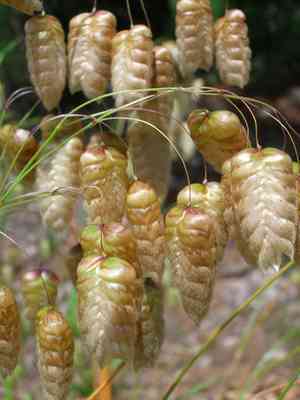
Relocate big quaking grass during the pleasant interval from late spring to mid-summer, guaranteeing a favorable beginning in temperate weather. Select locations with ample sunlight and good drainage for vigorous development. Careful manipulation is crucial to prevent damage to the root system at this juncture.
What Preparations are Needed Before Transplanting Big Quaking Grass?
What is the Ideal Time for Transplanting Big Quaking Grass?
Moving big quaking grass once the danger of frost has passed and warmer weather arrives â typically from late spring to early summer â promotes vigorous development. This timing capitalizes on longer days and mild temperatures, which are favorable for big quaking grass's root establishment and post-transplant recovery. Such a period offers a mix of moderate climate and ample sunlight, nourishing big quaking grass during its critical adjustment phase. It marks a fresh start for your big quaking grass, with nature's perfect balance aiding its smooth transition.
How Much Space Should You Leave Between Big Quaking Grass Plants?
When relocating big quaking grass, a good guideline is to allow approximately 1-2 feet (30-60 cm) of distance between each plant. This provides sufficient room for them to expand and flourish without competition.
What is the Best Soil Mix for Big Quaking Grass Transplanting?
Prior to moving big quaking grass, prepare rich, well-draining soil. Incorporating an organic, slow-release fertilizer would be beneficial to supply essential nutrients over time.
Where Should You Relocate Your Big Quaking Grass?
Aim to select a sunny spot for big quaking grass. They thrive with ample light but can also endure partial shade. Keep this in mind when planning your garden layout.
What Equipments Should You Prepare Before Transplantation Big Quaking Grass?
Hand trowel
For creating holes that will accommodate the young plants' root systems.
Gardening Gloves
To safeguard your hands while handling soil and the plant.
Garden spade or shovel
Useful for excavating larger holes if necessary, and for lifting plants from their original spots.
Watering can or hose
You will need to thoroughly hydrate the plant after its relocation.
Mulch
This material helps maintain soil moisture levels following transplantation.
Wheelbarrow or garden cart (optional)
Helpful if you are dealing with larger specimens or need to transport multiple plants simultaneously.
How Do You Remove Big Quaking Grass from the Soil?
How Do You Remove Big Quaking Grass from the Soil?
From Ground: Begin by closely examining the big quaking grass plant. Identify the main stem and locate the roughly 2-inch radius around it; this typically encompasses the root ball. Water the plant generously to thoroughly moisten the soil. After watering, use a spade to carefully dig around this estimated perimeter. Strive to keep as much of the root ball intact as possible. Gently lift the plant, ensuring you avoid damaging the roots, as this could lead to transplant shock.From Pot: First, water the plant well so the soil in the container is damp. Grasp the base of the big quaking grass plant's stem near the soil and tilt the pot sideways, carefully sliding out the plant and soil together. Be very gentle to prevent root damage. If the plant is stuck, tap the sides or lightly press the pot to loosen the soil.From Seedling Tray: Gently compress the cell or growing medium around the edge where the big quaking grass plant's roots are situated to loosen them. If feasible, invert the tray and let gravity assist. Be sure to hold near the plant's base to catch it as it comes out with its roots and soil intact.
Step-by-Step Guide for Transplanting Big Quaking Grass
Preparation
Prepare the new site by digging a hole approximately twice the width of the root ball and as deep as the big quaking grass plant's current root system. Place the excavated soil on a garden cart, paper, or tarp for easy cleanup.
Positioning
Carefully lower the big quaking grass plant into the hole. Ensure that the plant's base at the soil surface is level with or slightly above ground level. Avoid planting too deeply as it might impede growth or cause root rot.
Filling
Backfill the hole with soil, making sure it firmly surrounds the plant's roots. Do not compact the soil too tightly as this could prevent water from reaching the roots.
Watering
Immediately after backfilling the hole, thoroughly water the big quaking grass plant. This will settle the soil around the roots and establish the plant in its new location.
Mulching
Afterward, spread a layer of mulch around the plant's base. This will help retain soil moisture and discourage weed growth.
How Do You Care For Big Quaking Grass After Transplanting?
Monitoring
Keep a close watch on your recently transplanted big quaking grass, ensuring it isn't wilting or showing signs of illness. If you observe any, it may indicate the plant is struggling to adapt to its new environment.
Hydration
Consistent watering of your big quaking grass is essential; aim for moist but not waterlogged conditions. New plants require more water to help them settle into their new spot.
Pruning
If you notice any dead or damaged sections after a couple of weeks, carefully trim them away. This allows the plant to prioritize establishing new growth rather than repairing old damage.
Handle with care
Until the big quaking grass has become established in its new location, avoid any unnecessary disturbances to the plant or the surrounding area. This includes mowing, applying chemical herbicides, or other aggressive activities nearby.
Troubleshooting Common Issues with Big Quaking Grass Transplantation.
When's the optimal time to transplant big quaking grass?
The best period to relocate big quaking grass is during the S3-S5 timeframe. This typically spans from late spring to early autumn.
How much distance should I keep between each transplant of big quaking grass?
For healthy development, maintain a spacing of about 1-2 feet (30-60 cm) between each big quaking grass plant. This provides ample room for them to flourish.
Why does my transplanted big quaking grass look wilted?
Wilted big quaking grass can result from either insufficient or excessive watering. Check the soil's moisture level. The soil should feel damp, but not saturated.
What to do if my transplanted big quaking grass isn't growing well?
Big quaking grass might be in poor soil or receiving too little light. Ensure it's in well-draining soil and gets at least 6 hours of sunlight daily.
Does big quaking grass transplant need any special care?
Protect newly relocated big quaking grass from harsh weather and pests. Water it regularly and stake it if needed for extra support.
Why are the leaves of my transplanted big quaking grass turning yellow?
Yellowing foliage could signal a nutrient deficiency, overwatering, or disease. Look for signs of pests and confirm you are feeding big quaking grass appropriately.
I've transplanted big quaking grass, but it's not flowering. What could be wrong?
A lack of blooms might indicate that the big quaking grass isn't receiving enough sunlight. Make sure it gets at least 6 hours of sun each day.
How do I know if the big quaking grass is ready for transplant?
Big quaking grass is prepared for relocation when healthy and robust seedlings have developed. Avoid moving fragile or weak seedlings.
Are there any signs of overwatering in my transplanted big quaking grass?
Indicators of overwatering could include yellowing leaves, wilting despite wet soil, or slowed growth. Allow the soil to dry out somewhat between waterings.
My big quaking grass is losing leaves after transplant. What should I do?
Leaf drop could be a symptom of shock. Ensure big quaking grass is adequately watered, but not excessively, and placed in optimal light conditions.



