How to Transplant Common boxwood?
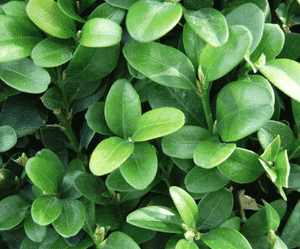
The optimal period for relocating common boxwood is from late spring through mid-summer, since elevated temperatures encourage quicker root growth. Select a site with good drainage that receives partial to full sunlight. Carefully untangle the roots prior to transplanting to facilitate improved establishment.
What Preparations are Needed Before Transplanting Common Boxwood?
What is the Ideal Time for Transplanting Common Boxwood?
The best period to move common boxwood is late spring through mid-summer, as warmer temperatures encourage rapid root development. This timing gives common boxwood the greatest chance to adapt to its new spot, ensuring a healthy and thriving plant.
How Much Space Should You Leave Between Common Boxwood Plants?
When relocating common boxwood, aim for a distance of approximately 1-3 feet (30-90 cm) between plants. This will provide ample room for growth and the establishment of a robust root system.
What is the Best Soil Mix for Common Boxwood Transplanting?
For common boxwood, prepare a soil mixture that drains well and has a slightly acidic pH (6.0-7.0). Incorporate organic material, such as compost or aged manure, and a balanced, slow-release fertilizer to boost nutrient levels.
Where Should You Relocate Your Common Boxwood?
Select a site with partial to full sun exposure for your common boxwood. It can endure some shade but flourishes with at least 4-6 hours of direct sunlight daily. Avoid low-lying areas prone to water accumulation.
What Equipments Should You Prepare Before Transplantation Common Boxwood?
Gardening Gloves
To safeguard your hands while handling soil and the common boxwood plant.
Shovel or Spade
For excavating holes and extracting the plant from its original position.
Pruning Shears
To trim any damaged or dead branches prior to transplanting.
Hand Trowel
For digging small holes and shifting soil as required.
Garden Hose or Watering Can
To irrigate the common boxwood plant following transplantation.
Mulch
To assist in retaining soil moisture and suppressing weeds around the newly transplanted common boxwood plant.
How Do You Remove Common Boxwood from the Soil?
How Do You Remove Common Boxwood from the Soil?
- From Ground:First, water the common boxwood plant to moisten the soil. Next, dig a wide trench around the plant using a shovel or spade, ensuring the plant's root ball remains intact. Carefully work the spade beneath the root ball to lift the plant from its initial spot.- From Pot:Ensure the soil is slightly damp before proceeding. Gently slide a hand trowel around the pot's edge to loosen the root ball. Invert the pot while securely holding the plant's main stem. Carefully jiggle the pot until the entire root ball emerges.- From Seedling Tray:Dampen the soil in the seedling tray. Using a hand trowel or your fingers, carefully scoop out the common boxwood seedlings, making sure to keep as much of the root system intact as possible.
Step-by-Step Guide for Transplanting Common Boxwood
Plant Preparation
Trim any damaged or lifeless branches using pruning shears. This will lessen transplant shock and help the plant focus on developing new roots.
Hole Digging
Excavate a hole roughly twice as wide and equally deep as the common boxwood plant's root ball. The added width provides room for the roots to spread.
Prepare the Soil
Combine the removed soil with any recommended amendments. Ensure the mixture is uniform and free of clumps.
Placing the Plant
Carefully lower the common boxwood plant into the hole, making sure the top of the root ball is level with the surrounding soil. Arrange and spread the roots outwards, if necessary.
Fill the Hole
Backfill the hole with the prepared soil mixture. Gently press the soil around the root ball to eliminate air pockets and ensure firm contact between the roots and the soil.
Watering
Thoroughly water the common boxwood plant, ensuring the root zone is well-saturated. This also aids in settling the soil around the roots.
Mulching
Apply a layer of mulch around the base of the common boxwood plant, being careful to keep the mulch a few inches away from the main stem. This helps maintain soil moisture and control weeds.
How Do You Care For Common Boxwood After Transplanting?
Watering
Keep the soil around the common boxwood consistently moist, but not waterlogged, for the initial weeks after transplanting to aid in establishing strong roots.
Pruning
Once the common boxwood plant is established, prune it regularly to maintain its form and encourage dense growth. This is best done during its dormant period.
Fertilizing
Apply a slow-release or organic fertilizer, as advised for common boxwood, in early spring to promote healthy growth. Follow the manufacturer's instructions for application rates.
Pest Control
Regularly inspect the common boxwood for indications of pests or diseases. Address any issues promptly with suitable control methods to maintain a healthy plant.
Troubleshooting Common Issues with Common Boxwood Transplantation.
When is the best time to transplant common boxwood?
The optimal season to relocate common boxwood is from late spring to mid-summer, ensuring robust growth and establishment.
What is the ideal spacing for transplanting common boxwood?
Maintain a spacing of 1-3 feet (30-90 cm) between common boxwood plants to provide them with adequate room to develop.
How deep should the hole be for transplanting common boxwood?
Dig the hole twice as wide and as deep as the common boxwood's root ball, supporting proper root development.
How should I prepare the soil for common boxwood transplantation?
Mix the existing soil with compost or aged manure to improve drainage, nutrients, and aeration for common boxwood.
What measures should I take to reduce transplant shock in common boxwood?
Water common boxwood thoroughly before moving it, gently remove it from its container, and handle the root ball with care.
How often should I water common boxwood after transplanting?
Initially, water common boxwood every 2-3 days for the first 1-2 weeks, then decrease to once a week.
Do I need to stake a newly transplanted common boxwood?
Staking common boxwood is not always essential, but it can offer support in windy areas or for larger specimens.
When should I fertilize my transplanted common boxwood?
Wait 4-6 weeks after transplanting before fertilizing common boxwood to allow the roots to become established.
How can I help common boxwood adapt to its new environment?
Practice proper watering, mulch around common boxwood to retain moisture, and provide shade if transplanting during hot weather.
When should I prune common boxwood after transplanting?
Allow 1-2 months for common boxwood to establish before pruning; this helps the plant to focus on root development.



