How to Transplant Peacock flower?
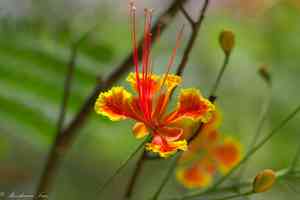
To achieve the best growth, relocate peacock flower during the initial to middle part of spring, since this period of renewed activity fosters root establishment. Select a bright spot with soil that drains effectively for a successful transfer. Ensure regular watering and sufficient distance between plants to support robust development. Enjoy your gardening!
What Preparations are Needed Before Transplanting Peacock Flower?
What is the Ideal Time for Transplanting Peacock Flower?
Choose to move peacock flower when temperatures are pleasantly warm, ideally in the heart of spring. This season is optimal because the balanced climate aids in stress-free root establishment. Relocating during this period provides your peacock flower with a strong start to growth, leading to impressive blooms. This effort will greatly benefit peacock flower.
How Much Space Should You Leave Between Peacock Flower Plants?
When transplanting peacock flower, it's crucial to allow ample room for development. Aim to position them approximately 6-12 feet (1.8-3.6 meters) apart, enabling them to expand and flourish.
What is the Best Soil Mix for Peacock Flower Transplanting?
A soil that drains well is most suitable for peacock flower. To prepare the ground, mix in organic materials such as compost, aged manure, or peat moss, and incorporate a slow-release fertilizer to supply vital nutrients for a vigorous beginning.
Where Should You Relocate Your Peacock Flower?
Select a spot for your beautiful peacock flower that receives full to partial sunlight, ensuring they get at least 6 hours of sun daily. This will promote vibrant flowers and robust development.
What Equipments Should You Prepare Before Transplantation Peacock Flower?
Gardening Gloves
To safeguard your hands while handling the soil and peacock flower plant.
Trowel or Hand Fork
For digging and loosening the earth for transplanting, and for blending in compost or fertilizers.
Watering Can or Hose
To moisten the ground and hydrate the peacock flower plant prior to and following transplantation.
Shovel or Spade
To excavate a hole for relocating your peacock flower and extracting it from its initial spot.
Compost or Organic Matter
To amend and enrich the planting medium for transplanting, fostering healthy peacock flower growth.
Mulch
To assist in retaining soil moisture and inhibiting weeds around your newly transplanted peacock flower.
How Do You Remove Peacock Flower from the Soil?
How Do You Remove Peacock Flower from the Soil?
From Ground: First, hydrate the peacock flower plant to moisten the soil. Next, dig a wide trench around the plant using a shovel or spade, ensuring the plant's root ball remains intact. Carefully maneuver the spade beneath the root ball to lift the plant from its original position.From Pot: Water the peacock flower plant and gently invert the pot, holding onto the plant's base. Tap the pot's edges to help dislodge the root ball, and carefully slide the root ball out, preserving its form.From Seedling Tray: Dampen the soil surrounding the peacock flower seedling to facilitate removal. Using a trowel or hand fork, carefully loosen the soil around the seedling's root ball, then gently lift the seedling out by the base of its stem.
Step-by-Step Guide for Transplanting Peacock Flower
Root Preparation
If moving from a pot or seedling tray, gently separate the root ball to encourage outward growth once it's placed in the ground. Be careful not to harm the roots.
Hole Digging
Excavate a hole in your chosen transplanting location that is twice the width and depth of the peacock flower's root ball. Mix some compost or organic matter with the excavated soil.
Planting
Position the root ball of the peacock flower plant in the hole, ensuring it's not planted too deeply or too shallowly. The top of the root ball should be level with the surrounding soil.
Backfilling
Refill the hole with the amended soil, gently compacting it and removing any air pockets around the root ball.
Watering
Thoroughly water your peacock flower plant to help settle the soil and give the roots a strong start.
Mulching
Apply a layer of mulch around the base of the peacock flower plant, leaving some space between the mulch and the plant stem, to help conserve moisture and deter weeds.
How Do You Care For Peacock Flower After Transplanting?
Watering
Keep the soil around the peacock flower consistently moist, but not waterlogged, for the initial few weeks after transplanting to aid in establishing robust roots.
Monitoring
Watch for any indications of stress or disease in your peacock flower, such as yellowing or wilting leaves, and address any issues promptly.
Pruning
Lightly trim your peacock flower after transplanting, if necessary, to promote bushier growth and maintain its desired form.
Fertilizing
After about a month, use a balanced fertilizer to encourage healthy growth in your peacock flower, following the application instructions on the package.
Troubleshooting Common Issues with Peacock Flower Transplantation.
When is the best time to transplant the peacock flower?
Our friend, peacock flower, thrives when transplanted in the mild warmth of early to mid-spring.
How much space should I leave between peacock flower when planting in a garden?
Remember that peacock flower requires ample room! Ensure a distance of 6-12 feet (1.8-3.7 meters) between them.
What to do if my peacock flower withers after transplantation?
Don't worry! It's common for peacock flower to experience transplant shock. Keep the soil moist, but ensure good drainage for recovery.
How to deal with my peacock flower if it shows no signs of growth post-transplant?
Be patient, friend. New growth often takes several weeks. Consistent watering, adequate sunlight, and patience usually work wonders.
Should I prune peacock flower before transplanting?
Absolutely! Trimming back peacock flower by 1/3 to 1/2 enhances success rates by reducing water loss from leaves.
What is the ideal soil pH for transplanting peacock flower?
Peacock flower prefers neutral to slightly acidic soil. Typically, a pH of 6.0-7.0 is ideal.
How deep should I dig the hole for transplanting peacock flower?
I suggest a hole twice as wide and as deep as the root ball. This provides a comfortable home for peacock flower.
What should I do if the transplanted peacock flower leaves turn yellow?
Yellow leaves indicate water stress or a lack of nutrients. Review your watering routine and consider a gentle fertilizer boost for peacock flower.
Why is my peacock flower dropping buds post-transplant?
Bud drop is often a sign of stress, friend. Adjust watering, ensure proper drainage, and provide adequate light to help peacock flower.
How to handle root-bound peacock flower during transplantation?
Gently separate the outer roots of peacock flower before planting. This encourages them to spread into the surrounding soil.



