How to Transplant American beautyberry?
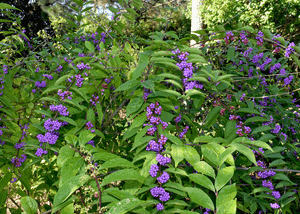
The most favorable time to transplant american beautyberry is during the revitalizing spring, enabling its root system to settle prior to the summer's warmth. Select a location offering adequate drainage and dappled sunlight. Careful management of the roots is crucial for robust development.
Essential Preparations Before Relocating American Beautyberry
Optimal Timing for American Beautyberry Relocation?
The best period for moving american beautyberry is during spring's early months, offering an ideal opportunity for root development prior to summer's heat. In this season, the mild weather and increasing daylight provide american beautyberry with a superb setting to adjust, grow, and thrive in its new spot. Establishing american beautyberry at this time ensures a smooth transition with minimal stress, allowing roots to firmly anchor before the peak growing season begins. Remember, a successfully transplanted american beautyberry during this window promises vigorous growth and a stunning berry display in autumn.
Required Spacing Between American Beautyberry Plants?
For american beautyberry, allocate 4-6 feet (1.2-1.8 meters) of distance between each plant. This provides ample room for expansion. Therefore, confirm your planting area is sufficiently large before commencing!
Best Soil Blend for American Beautyberry Transplanting?
Prepare soil that drains well and is enriched with organic matter for american beautyberry. A base fertilizer such as compost or slow-release granules can be highly beneficial. It's advisable to mix it into the soil before planting.
Choosing a New Location for Your American Beautyberry?
American beautyberry prefers sunlight but also performs well in partial shade. Select a site that receives a combination of sun and shade throughout the day for optimal development.
Equipment Needed Before Transplanting American Beautyberry
Shovel or Garden Spade
For digging holes and moving earth.
Gardening Gloves
To safeguard your hands while handling soil and american beautyberry.
Garden Hose or Watering Can
To provide water to the american beautyberry during and after its relocation.
Mulch
To help retain soil moisture and protect the root system.
Garden Trowel
For extracting american beautyberry from containers or trays.
Pruner
For trimming the american beautyberry during the transplanting process.
Method for Extracting American Beautyberry from the Soil
How to Remove American Beautyberry from the Soil?
From Ground: Start by hydrating the american beautyberry plant to moisten the soil. This facilitates digging and lessens stress on the plant's roots. Using a shovel or spade, excavate a wide trench around the plant, taking care not to harm the root ball. Gently work the spade beneath the root ball, then lift the plant from its original position.From Pot: First, thoroughly water the potted american beautyberry plant. Invert the container and gently tap the bottom to dislodge the plant. If it doesn't come out easily, use a trowel to loosen the soil around the edges. Always support the plant by its root ball, not its stems or leaves.From Seedling Tray: Dampen the soil in the tray to ease removal. Use a trowel or similar tool to lift the seedling by digging underneath it. Ensure you retain as much of the original soil around the roots as possible to minimize transplant stress.
Detailed Steps for Transplanting American Beautyberry
Preparation
Dig a hole twice the width and equal to the depth of your american beautyberry plant's root ball. Water the hole before placing the plant to ensure a moist environment for its roots.
Placement
Position the american beautyberry plant in the center of the hole, making sure its top is level with the ground. Adjust the soil at the bottom of the hole if necessary.
Backfilling
Gently refill the hole with the soil you removed, firming it as you go to eliminate air pockets. Be careful not to plant deeper than its previous growing depth.
Watering
Water the plant immediately after transplanting to help settle the soil.
Mulching
Apply a layer of mulch around the american beautyberry plant to aid in moisture retention and inhibit weed growth. Leave a clear area around the plant's base to prevent rot.
Post-Transplant Care for American Beautyberry
Watering
While american beautyberry is establishing, consistent watering is crucial; keep the soil moist but be careful not to overwater.
Pruning
Prune the american beautyberry plant to encourage denser growth. This can also assist in managing its size.
Monitoring
Observe the american beautyberry plant's health daily during the initial weeks post-transplant. Look for signs of transplant shock such as wilting, scorched leaves, or stunted growth. If these symptoms persist, consult a local nursery or extension service for guidance.
Addressing Common Issues with American Beautyberry Transplantation
When should I consider moving my american beautyberry plant?
The optimal time to relocate american beautyberry is from late winter to early spring. This is when the plant is dormant and prepared for new growth.
How much space does american beautyberry require after transplanting?
American beautyberry needs ample space to flourish. Aim for a distance of approximately 4-6 feet (1.2-1.8 meters) between each plant.
Can american beautyberry withstand the transplanting process?
Yes, american beautyberry is a resilient plant and generally responds well to transplanting, just ensure your actions are gentle to avoid damaging the root system.
What steps should I follow when transplanting american beautyberry?
First, prepare the new site. Dig a hole that is twice the size of the root ball. Then, carefully lift american beautyberry from its original spot and place it in the new hole. Fill in around the plant with soil and water thoroughly.
What kind of soil should I use when transplanting american beautyberry?
American beautyberry thrives in well-drained, rich soil. Organic materials like compost or peat moss can be added to boost the soil's nutrient content.
Is it necessary to water american beautyberry immediately after transplanting?
Absolutely! After relocating your american beautyberry, water it generously. This will minimize transplant shock and help its roots establish more quickly.
How long will it take for american beautyberry to establish after being transplanted?
Typically, american beautyberry takes about 1-2 growing seasons (1-2 years) to fully establish. Patience is key for these beautiful plants!
What if the leaves of my american beautyberry begin to wilt after transplanting?
Wilting leaves can indicate transplant shock. Don't worry, keep the soil consistently moist but avoid over-watering. With time, your american beautyberry should acclimate.
Should I prune my american beautyberry before or after transplanting?
Pruning is not mandatory, but it can help american beautyberry focus on root development. If you choose to prune, do so just before transplanting.
What should I do if the transplanted american beautyberry shows no new growth?
Don't panic! American beautyberry may need time to adjust to its new location. Ensure it's receiving adequate water and sunlight. If there's no improvement after a few weeks, consult a local nursery.



