How to Transplant Japanese camellia?
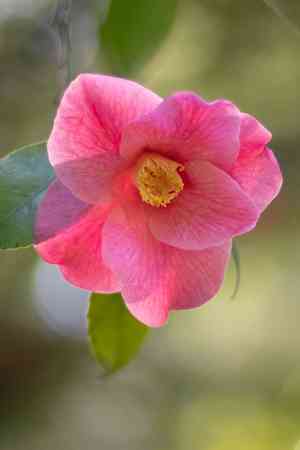
The ideal period for relocating japanese camellia is from mid-spring through early summer, as this allows the plant to establish its root system efficiently. Select a site featuring soil that drains properly and offers partial shade. Carefully separate the root mass during the transplanting process to facilitate robust development.
What Preparations are Needed Before Relocating Japanese Camellia?
What is the Optimal Period for Relocating Japanese Camellia?
The best season for moving japanese camellia is between mid-spring and early summer, ensuring prime growth conditions. This timeframe offers warmer temperatures and extended daylight, promoting quicker establishment and a higher chance of success in your garden.
How Much Space Should You Allow Between Japanese Camellia Plants?
For relocating japanese camellia, ensure adequate spacing between plants by ideally leaving 10-15 feet (3-4.5 meters) apart. This will guarantee proper growth and development for your beautiful perennials.
What is the Best Soil Mixture for Japanese Camellia Relocation?
Before relocating japanese camellia, prepare well-drained soil enriched with organic matter such as compost. You can also incorporate a slow-release, balanced fertilizer to give the plant a strong start. Japanese camellia prefers slightly acidic soil with a pH of 6.0-6.5.
Where Should You Replant Your Japanese Camellia?
Select a site that receives partial to full sunlight for japanese camellia. They can endure partial shade, but for optimal flowering, ensure your plants get approximately 6 hours of sunlight daily. Avoid areas with strong winds to safeguard your plants.
What Equipment Should You Prepare Before Relocating Japanese Camellia?
Gardening Gloves
To safeguard your hands while handling soil and the plant.
Shovel or Spade
For excavating holes and extracting the plant from its initial spot.
Hand Trowel
For more precise digging and planting tasks.
Pruning Shears
To trim any damaged or undesirable roots and branches.
Garden Fork
To assist in loosening the soil and aerating the relocation hole.
Watering Can or Hose
To hydrate the plant before and after relocation.
Organic Compost or Soil Amendment (if needed)
To supply the essential nutrients for robust japanese camellia growth.
How Do You Extract Japanese Camellia from the Soil?
How Do You Extract Japanese Camellia from the Soil?
- From Ground:First, water the japanese camellia plant to moisten the soil. Then, dig a wide trench around the plant using a shovel or spade, ensuring the plant's root ball remains intact. Carefully work the spade beneath the root ball to lift the plant from its original position.- From a Pot:Water the japanese camellia plant thoroughly, allowing the water to drain from the pot's bottom. Gently tilt the pot on its side and carefully slide the plant and root ball out, keeping the soil and roots as undisturbed as possible.- From a Seedling Tray:Dampen the soil surrounding the japanese camellia seedling. Using a hand trowel or your fingers, carefully lift the seedling and its attached soil from the tray, taking care not to harm the roots.
Step-by-Step Guide for Relocating Japanese Camellia
Site Selection
Choose a location with suitable sunlight and ample space for your japanese camellia plant to reach its mature size.
Digging the Hole
Use a shovel or garden fork to excavate a hole twice the width and depth of the japanese camellia's root ball. Loosen the soil at the sides and bottom to encourage proper root development.
Preparing the Plant
Carefully inspect the japanese camellia's roots and use pruning shears to trim any damaged or circling roots.
Amending the Soil (if needed)
If your soil lacks nutrients, incorporate some organic compost or a soil amendment to enhance its quality.
Placing the Plant
Position the japanese camellia in the hole, ensuring the top of its root ball is level with the surrounding soil. If necessary, adjust the amount of soil at the bottom of the hole to achieve the correct planting depth.
Filling the Hole
Gently backfill the hole with the amended soil, pressing down lightly to eliminate air pockets without overly compacting the soil.
Watering
Thoroughly water the japanese camellia plant at its base, allowing water to penetrate and settle the soil around the root ball.
Mulching
Apply a 2-3 inch layer of organic mulch around the base of the japanese camellia, keeping the mulch an inch away from the trunk to prevent rot.
How Do You Care For Japanese Camellia After Relocation?
Watering
Keep the soil around the japanese camellia consistently moist, but not waterlogged, for the initial few weeks after relocation to aid in establishing strong roots.
Pruning
Limit pruning in the first year after relocation, only removing dead, damaged, or diseased branches if essential.
Pest Control
Monitor the japanese camellia for indications of pests and address them promptly with appropriate measures to prevent harm to the plant.
Fertilizing
Wait until the japanese camellia has had at least one full season to establish itself in its new location before applying any fertilizer. Avoid overfeeding, as this can lead to excessive, weak growth.
Troubleshooting Common Issues with Japanese Camellia Relocation.
When is the best time to relocate japanese camellia?
The optimal period to relocate japanese camellia is from mid-spring to early summer, for ideal growth and blooming.
What's the correct spacing for relocating japanese camellia?
For healthy growth, space japanese camellia 10-15 feet (3-4.5 meters) apart to provide ample room for development.
How do I prepare the soil for japanese camellia relocation?
Before relocating, loosen the soil and mix in compost or organic matter to ensure good drainage and nutrients.
How deep should I dig the hole for japanese camellia?
Dig the hole twice as wide as and equal in depth to the root ball, allowing for roots to spread easily.
What should I do if the roots of japanese camellia are too long?
If the roots are excessively long, trim them back to encourage better root growth and simpler relocation.
How much and how often should I water japanese camellia after relocating?
Water japanese camellia thoroughly after relocating, and then water regularly - about 1 inch (2.5 cm) per week - to maintain moist soil.
When should I add mulch around japanese camellia after relocating?
Add 2-3 inches (5-7.5 cm) of mulch around japanese camellia soon after relocating, leaving some space near the trunk.
How do I ensure japanese camellia thrives after relocating?
Place japanese camellia in a well-drained location with dappled sunlight, maintain consistent moisture, and fertilize as needed.
Should I stake japanese camellia after relocating?
Staking may be necessary for the first year, especially in windy locations, to help japanese camellia establish its roots.
When will japanese camellia start to bloom after relocating?
With proper care, japanese camellia should begin to bloom within one to two years of relocating.



