How to Transplant Serbian bellflower?
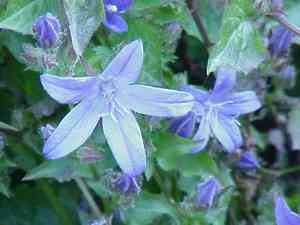
The optimal period for relocating serbian bellflower falls from mid-spring to late spring, as the moderate temperatures are perfect for preventing transplant stress. Position serbian bellflower in a location that offers good drainage, partial shade, and rich soil. Ensure the root mass remains undisturbed during the relocation process to encourage robust development.
What Preparations are Needed Before Transplanting Serbian Bellflower?
What is the Ideal Time for Transplanting Serbian Bellflower?
The optimal period for relocating serbian bellflower is from mid to late spring. The mild weather during these months offers the plant prime conditions for root establishment, leading to a more vigorous and healthy specimen. Choosing this timeframe maximizes the potential for successful growth and re-establishment. Therefore, plan your gardening activities accordingly to enjoy the captivating beauty of serbian bellflower.
How Much Space Should You Leave Between Serbian Bellflower Plants?
Prior to transplanting serbian bellflower, ensure a spacing of 12-18 inches (30-45 cm) between them. This distance will provide ample room for each plant to develop and spread its root system.
What is the Best Soil Mix for Serbian Bellflower Transplanting?
To prepare the soil for serbian bellflower transplantation, create a well-draining soil blend enriched with organic compost. This will establish a strong foundation for the plant's development. Also, incorporate a slow-release granular fertilizer to supply nutrients gradually over time.
Where Should You Relocate Your Serbian Bellflower?
Select a site where your serbian bellflower can receive full sun to partial shade. These plants are adaptable and can flourish in various light conditions, but at least a few hours of daily sunlight are recommended for optimal growth.
What Equipments Should You Prepare Before Transplantation Serbian Bellflower?
Gardening Gloves
To safeguard your hands while handling soil and plants.
Shovel or Spade
For excavating holes and trenches during transplantation.
Trowel
Used for digging small holes and extracting plants from pots or seedling trays.
Watering Can or Hose
To hydrate the plant before and after its relocation.
Pruner or Sharp Scissors
To trim any damaged roots or foliage prior to transplanting.
Organic Compost
To supply nutrients and enhance soil structure around the serbian bellflower.
Mulch
To aid in moisture retention and regulate soil temperature post-transplantation.
How Do You Remove Serbian Bellflower from the Soil?
How Do You Remove Serbian Bellflower from the Soil?
From Ground: First, moisten the soil around the serbian bellflower plant. Then, using a shovel or spade, dig a wide trench around the plant, ensuring the root ball remains intact. Carefully work the spade beneath the root ball to lift the plant from its original spot.From Pot: Water the serbian bellflower plant to loosen the soil. Gently tip the pot on its side and tap the edges, or press the bottom and sides of the pot to dislodge the root ball. Carefully slide the plant out, taking care not to harm the roots.From Seedling Tray: Use a trowel to carefully lift the serbian bellflower seedling from the tray, making sure to keep the root ball and surrounding soil undisturbed.
Step-by-Step Guide for Transplanting Serbian Bellflower
Plan Timing
Select the appropriate time to transplant the serbian bellflower, ideally during the cooler parts of the day to minimize plant stress.
Dig Hole
Excavate a hole twice the width of the root ball and slightly deeper than its height. Mix some organic compost with the removed soil for added nutrients.
Prepare Plant
Before transplanting, use a pruner or scissors to remove any damaged or dead roots and foliage.
Place Plant
Gently position the serbian bellflower in the center of the hole, ensuring the top of the root ball is slightly below the surrounding soil level.
Backfill
Use the excavated soil and compost mixture to fill in around the root ball, gently firming the soil to eliminate air pockets.
Water Thoroughly
Water the serbian bellflower generously after transplanting to help settle the soil and ensure good root-to-soil contact.
Mulch
Apply a layer of mulch around the serbian bellflower to help retain moisture and regulate soil temperature.
How Do You Care For Serbian Bellflower After Transplanting?
Watering
Keep the soil around the serbian bellflower consistently moist, but not waterlogged, for the initial weeks post-transplant to aid in root establishment.
Pruning
Trim any dead or damaged branches and foliage to encourage new growth and maintain the plant's form.
Fertilizing
Apply a balanced, slow-release fertilizer to provide the serbian bellflower with essential nutrients for healthy development.
Monitoring
Watch for pests or diseases that might affect the serbian bellflower after transplanting, and address them as needed.
Replenishing Mulch
Reapply mulch periodically to maintain moisture retention and soil temperature regulation.
Troubleshooting Common Issues with Serbian Bellflower Transplantation.
What's the perfect time to transplant serbian bellflower?
Ideally, the best time to transplant serbian bellflower is from mid-spring to late spring (April to June).
How far apart should I space serbian bellflower when transplanting?
Provide serbian bellflower with adequate room to grow by spacing each plant approximately 12-18 inches (30-45 cm) apart.
How deep should be the hole for planting serbian bellflower?
The hole for serbian bellflower should be deep enough to accommodate its root system without burying the foliage.
How soon should I water serbian bellflower after transplanting?
Water serbian bellflower immediately after transplanting. This helps settle the soil around the roots, reducing stress.
What's the ideal soil condition for transplanting serbian bellflower?
Serbian bellflower thrives in well-drained soil rich in organic matter. Also, ensure the soil pH is neutral or slightly alkaline.
What kind of sunlight exposure does serbian bellflower need after transplanting?
Serbian bellflower prefers full sunlight to partial shade. Insufficient sunlight can hinder its growth and flowering.
Do I need to add any fertilizer while transplanting serbian bellflower?
Yes, well-rotted organic compost or a general-purpose fertilizer can be added to promote healthy growth after transplanting.
What are the signs of successful transplantation of serbian bellflower?
Successful transplantation is indicated by new growth of leaves or flowers. Look for fresh green foliage!
How to deal with transplant shock in serbian bellflower?
Ensure proper watering, avoid direct scorching sun, and heavy fertilizing to prevent transplant shock in serbian bellflower.
How frequently should I water serbian bellflower after transplanting?
Excessive moisture is detrimental for serbian bellflower. Water it once a week or when the soil feels dry to the touch.



