How to Transplant Indian shot?
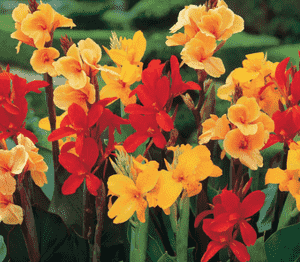
Relocating indian shot is best accomplished from mid to late spring, since the elevated temperatures facilitate root development. Select a bright spot to ensure prime cultivation circumstances. During the transplanting process, handle the root system delicately and irrigate generously to aid indian shot in rapid acclimation.
What Preparations are Needed Before Transplanting Indian Shot?
What is the Ideal Time for Transplanting Indian Shot?
The optimal period for relocating indian shot is from mid to late spring, once the ground has warmed and frost is no longer a threat. Moving them at this time encourages robust root development, ensures peak growth, and yields vibrant blossoms throughout the season.
How Much Space Should You Leave Between Indian Shot Plants?
When transplanting indian shot, aim to position each plant roughly 2-3 feet (60-90 cm) apart. This spacing provides adequate room for growth, allowing them to establish a strong root system and access sufficient nutrients.
What is the Best Soil Mix for Indian Shot Transplanting?
When preparing a site for indian shot, choose soil that drains well and is ideally rich in organic material. Incorporate a slow-release granular fertilizer, such as a 14-14-14 or 10-10-10 blend, to create a nutrient-rich foundation for your new plants.
Where Should You Relocate Your Indian Shot?
It's crucial to place indian shot in a sunny spot, where the plants will receive at least 6 hours of direct sunlight daily. These bright conditions will foster strong and healthy development, enabling them to flourish.
What Equipments Should You Prepare Before Transplantation Indian Shot?
Gardening Gloves
To safeguard your hands while handling soil and the indian shot plant.
Spade or Shovel
For excavating the plant from its original spot and preparing the new planting hole.
Trowel
To assist in removing indian shot plants from containers or seedling trays and for smaller digging tasks.
Garden Fork
To aerate and turn over the soil in the designated planting area.
Watering Can or Hose
To provide moisture to the plant during the relocation process.
Pruner or Garden Scissors
To trim any damaged roots or stems during the transplanting procedure.
Stakes and Ties (if needed)
To offer support for tall, unstable, or heavy indian shot plants post-transplant.
How Do You Remove Indian Shot from the Soil?
How Do You Remove Indian Shot from the Soil?
- From Ground:First, hydrate the indian shot plant to moisten the soil. Next, dig a wide trench around the plant using a shovel or spade, ensuring the plant's root ball remains intact. Carefully work the spade beneath the root ball to lift the plant from its initial location. Keep as much soil attached to the roots as possible.- From Pot:Water the indian shot plant and let it sit for a few minutes, then gently tap the pot on its side, holding the base of the plant with one hand and the pot with the other. Carefully slide the plant out of the pot, trying not to disturb the roots excessively.- From Seedling Tray:Fill a small container with water and keep it nearby. Use a small trowel or your fingers to gently loosen the soil around the edges of the seedling cell. Carefully lift the indian shot seedling by its leaves, not its delicate stem, and place it into the container of water to protect the roots during the transplant process.
Step-by-Step Guide for Transplanting Indian Shot
Site Selection
Choose a location with adequate sunlight and sufficient space for your indian shot plant to reach its mature size.
Soil Preparation
Use a garden fork to loosen and aerate the soil in your planting area, breaking up any large clumps. This will help the indian shot plant's roots spread more easily into the new spot.
Planting Hole
Dig a hole slightly larger and as deep as the indian shot plant's root ball using a spade or trowel. The aim is for the plant to sit at the same soil level as it was in its original location.
Placement
Gently position the indian shot plant into the planting hole, ensuring its roots are spread out evenly. If transplanting a seedling, handle it by the leaves and not the stem to avoid harming the young plant.
Backfill
Fill the hole with soil, and use your hands to gently firm the soil around the base of the indian shot plant to remove air pockets.
Water
Water the plant generously after transplanting to help settle the soil and encourage the roots to establish in their new location.
Staking and Support (if needed)
If your indian shot plant requires support, insert stakes into the ground around the plant and secure the plant to them with ties.
How Do You Care For Indian Shot After Transplanting?
Watering
Keep the soil around the indian shot consistently moist, but not waterlogged, for the initial few weeks post-transplant to aid in strong root establishment.
Mulching
Consider applying a layer of mulch around the base of the indian shot to help retain moisture and regulate soil temperature while also suppressing weeds.
Monitoring and Pruning
Regularly inspect the indian shot for signs of stress or pests. Prune any dead or damaged foliage to encourage healthy growth.
Fertilizing
After a few weeks, consider applying a balanced, slow-release fertilizer to provide nutrients that will help the indian shot grow strong and healthy.
Patience and Support
Remember, relocating plants can be stressful. Allow time for the indian shot to establish before expecting significant growth or blooms.
Troubleshooting Common Issues with Indian Shot Transplantation.
When is the best time to transplant indian shot?
Relocate indian shot during mid to late spring for optimal growth and establishment.
What is the ideal spacing to transplant indian shot?
Space indian shot plants approximately 2-3 feet (60-90 cm) apart to provide ample room for growth.
How much sunlight does indian shot need when transplanting?
Indian shot should be transplanted in a spot with full sun to partial shade for best results.
What type of soil should I use for transplanting indian shot?
Use well-draining soil rich in organic matter for optimal growth when transplanting indian shot.
How much water does indian shot need during transplanting?
Water indian shot thoroughly after transplanting, then provide regular water to keep the soil consistently moist.
How deep should I dig the hole when transplanting indian shot?
Dig a hole 10 inches (25 cm) deep and wide enough to accommodate the root ball of indian shot.
Should I fertilize indian shot immediately after transplanting?
Wait two weeks after transplanting before applying a balanced fertilizer to promote healthy growth.
How can I avoid transplant shock while transplanting indian shot?
Transplant on a cloudy day, watering immediately, and using transplant solution helps to avoid shock.
What pests or diseases should I watch for after transplanting indian shot?
Monitor for common pests such as aphids, slugs, and snails, and diseases like root rot.
How long does it take for indian shot to establish after transplanting?
Indian shot typically takes 2-3 weeks to become fully established and start showing signs of new growth.



