How to Transplant Greater brown sedge?
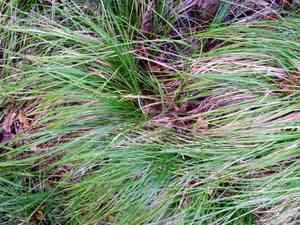
The most suitable period for relocating greater brown sedge spans from the onset of spring through the peak of early summer, offering mild conditions conducive to root development. Choose a location receiving filtered light and possessing good drainage, then supply generous hydration after the move.
What Preparations are Needed Before Transplanting Greater Brown Sedge?
What is the Ideal Time for Transplanting Greater Brown Sedge?
The optimal period for relocating greater brown sedge extends from the revitalizing phase of early spring up to the nurturing stages of early summer. This timing promotes strong root development and recovery, aligning with the plant's natural growth cycle for maximum vigor and flourishing.
How Much Space Should You Leave Between Greater Brown Sedge Plants?
When rehousing greater brown sedge, aim for comfortable yet ample spacing of approximately 12-18 inches (30-45 cm) between plants. This allows each specimen sufficient room to thrive while coexisting harmoniously.
What is the Best Soil Mix for Greater Brown Sedge Transplanting?
Prior to transplanting greater brown sedge, prepare a planting medium rich in organic matter with excellent drainage. An initial application of a balanced, slow-release fertilizer will provide an ideal start.
Where Should You Relocate Your Greater Brown Sedge?
Identify a location for greater brown sedge that receives partial shade to full sun. The correct light exposure is crucial, much like selecting a comfortable seat – not too much, not too little, just right for optimal growth.
What Equipments Should You Prepare Before Transplantation Greater Brown Sedge?
Shovel or Trowel
To excavate the greater brown sedge from its current spot and prepare the new planting site.
Gardening Gloves
To safeguard your hands while handling soil and the plant.
Watering Can or Hose
For hydrating the greater brown sedge both before and after its relocation.
Pruning Shears
To remove any damaged roots or foliage prior to transplanting.
Wheelbarrow
To move the greater brown sedge and soil if necessary.
Root Pruning Saw or Sharp Knife
In situations where root division becomes essential during the transplanting process.
How Do You Remove Greater Brown Sedge from the Soil?
How Do You Remove Greater Brown Sedge from the Soil?
From Ground: First, thoroughly water the greater brown sedge to soften the soil, making it easier to manage. Using a shovel or trowel, carefully dig around the plant, maintaining a wide perimeter to prevent root damage. Gently lift the plant from the ground, striving to keep the root ball as intact as possible.From Pot: Hydrate the greater brown sedge in its existing container to help the roots and soil adhere. Tilt the pot sideways and tap the base or sides to dislodge the plant. Carefully pull the plant by its base and ease it out of the pot, preserving the root ball's shape.From Seedling Tray: Moisten the soil in the tray to prevent root injury. Use a trowel or your fingers to gently loosen the soil surrounding the seedling. Carefully lift the greater brown sedge by its leaves, not the stems, to avoid harming the plant.
Step-by-Step Guide for Transplanting Greater Brown Sedge
Digging the Hole
At the new site, excavate a hole that is twice the width of the root ball and of equal depth. This will provide the greater brown sedge's roots ample room to spread without burying the plant too deeply.
Plant Inspection
Before placing greater brown sedge into the new hole, examine the root ball for any indications of damage or disease. Use pruning shears to remove affected sections.
Placing the Plant
Position the greater brown sedge into the hole so that the top of the root ball is level with the surrounding ground. Orient the plant in your desired direction.
Backfilling
Carefully refill the area around the plant with soil, gently tamping it down as you proceed to eliminate air pockets. Ensure the soil is not overly compacted to allow for water penetration and root development.
Watering
Once greater brown sedge is planted, water it deeply to settle the soil around the roots and to help alleviate transplant shock.
Adding Support
If the greater brown sedge is tall or top-heavy, staking may be necessary. Insert stakes into the ground and loosely secure the plant to them with soft ties.
How Do You Care For Greater Brown Sedge After Transplanting?
Monitoring
Observe the greater brown sedge for signs of transplant shock, such as wilting or yellowing leaves, and address them as needed.
Watering
For the initial few weeks, ensure greater brown sedge receives sufficient water to keep the soil consistently moist but not waterlogged, promoting root establishment.
Staking
Regularly check stakes and ties to ensure they are not too tight, adjusting them to accommodate growth and prevent damage to the greater brown sedge.
Pruning
Trim any dead or damaged foliage to encourage new growth and maintain the plant's health.
Mulching
Apply a layer of organic mulch around the base of the greater brown sedge to help retain soil moisture and regulate temperature.
Troubleshooting Common Issues with Greater Brown Sedge Transplantation.
How do I know when to transplant greater brown sedge for best results?
It's best to move greater brown sedge in early spring through early summer for optimal root establishment and growth.
How far apart should I space greater brown sedge when transplanting?
For a full appearance, space greater brown sedge approximately 12-18 inches (30-45 cm) apart. This provides ample room for development.
What soil conditions does greater brown sedge prefer for successful transplanting?
Greater brown sedge thrives in well-draining soil, enriched with organic matter. Monitor soil moisture regularly after transplanting.
Can I transplant greater brown sedge when it's blooming?
It's preferable to transplant greater brown sedge while it is dormant. Moving it during bloom may stress the plant and hinder growth.
Should I prune greater brown sedge before transplanting?
Reducing foliage can lessen stress on greater brown sedge's root system, facilitating its establishment in a new location.
How much should I water greater brown sedge after transplanting?
After transplanting, water greater brown sedge generously to settle the soil around its roots, then maintain consistent moisture without overwatering.
Is mulch beneficial when transplanting greater brown sedge?
Yes, organic mulch helps retain soil moisture, moderates temperature, and suppresses weeds, aiding greater brown sedge's adaptation.
What signs indicate transplant shock in greater brown sedge?
Wilting, yellowing leaves, or stunted growth after transplanting can signal shock. Provide shade and consistent water until recovery.
How deep should I plant greater brown sedge's root ball?
Plant the root ball of greater brown sedge at the same depth it was originally growing to ensure proper root function.
Can I use fertilizer immediately after transplanting greater brown sedge?
Wait 4-6 weeks post-transplant before applying a balanced fertilizer to prevent damage to the developing roots.



