How to Transplant Cherokee sedge?
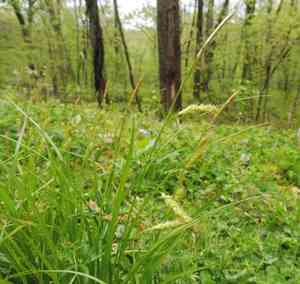
To ensure optimal establishment, relocate cherokee sedge from the late winter resurgence to the vibrant period of mid-spring. Select a location featuring damp earth and dappled sunlight, replicating its natural environment. Careful manipulation aids in a seamless acclimation.
What Preparations are Needed Before Transplanting Cherokee Sedge?
What is the Ideal Time for Transplanting Cherokee Sedge?
The optimal period for relocating cherokee sedge is after the last frost but before the intense summer heat. Moving it during this mild phase allows roots to settle without stress from extreme temperatures. Choosing this season ensures your cherokee sedge benefits from the onset of warmer weather, promoting robust development. This timeframe offers moderate temperatures and prime soil conditions, encouraging root growth for a flourishing cherokee sedge. By transplanting at this point, you guarantee cherokee sedge has ample time to strengthen before winter. This strategic timing means your cherokee sedge thrives on spring's moisture and increasing daylight.
How Much Space Should You Leave Between Cherokee Sedge Plants?
For your cherokee sedge, you'll want to provide ample room to thrive. Aim for spacing them 12 inches (30 cm) to 3 feet (91 cm) apart. This will allow them to spread and establish without becoming overcrowded.
What is the Best Soil Mix for Cherokee Sedge Transplanting?
Your cherokee sedge will flourish in well-draining soil rich in organic matter. Prior to planting, enrich your soil with a balanced, slow-release fertilizer to give your cherokee sedge an excellent start. Look for fertilizers suitable for perennials or general garden use.
Where Should You Relocate Your Cherokee Sedge?
Find a location for your cherokee sedge that receives partial to full shade. They prefer cooler conditions, so selecting a spot away from the harsh midday sun is perfect. An area that gets morning sunlight and afternoon shade would be ideal.
What Equipments Should You Prepare Before Transplantation Cherokee Sedge?
Gardening Gloves
To safeguard your hands while handling soil and the plant.
Trowel or Garden Spade
To excavate the plant from its original spot and aid in the relocation process.
Watering Can or Hose
To hydrate the plant before and after removal to lessen transplant shock.
Pruning Shears
To trim any dead or superfluous parts of the plant if necessary.
Wheelbarrow or Garden Cart
To move the plant and soil to and from the new planting site.
Mulch
To help maintain soil moisture and temperature after replanting.
How Do You Remove Cherokee Sedge from the Soil?
How Do You Remove Cherokee Sedge from the Soil?
From Ground: Hydrate the cherokee sedge plant to moisten the soil. Dig a wide circle around the plant with a trowel or garden spade, leaving ample room to preserve the root ball. Carefully work the tool beneath the root ball and gently lift the plant from the ground.From Pot: Start by watering cherokee sedge to facilitate its removal from the container. Turn the pot on its side and gently tap the sides and bottom to loosen the root ball. Grasp the base of the plant and carefully ease it out, supporting the root ball with your other hand.From Seedling Tray: Water the seedling tray to ensure the soil is damp. Using a trowel or your fingers, carefully loosen the soil around the cherokee sedge seedling. Gently lift the plant, making sure to retain as much soil around the roots as possible.
Step-by-Step Guide for Transplanting Cherokee Sedge
Preparation
Gather all necessary tools and confirm the chosen location for transplanting cherokee sedge.
Watering
Water the plant in its current spot to reduce stress and simplify removal.
Removal
Depending on cherokee sedge's original location (ground, pot, or tray), carefully extract the plant, ensuring the root ball and surrounding soil remain intact.
Planting Hole
Dig a hole at the transplant site that is twice the width of the root ball and the same depth. This provides ample space for root expansion.
Transplanting
Place cherokee sedge gently into the hole, ensuring the top of the root ball is level with the surrounding ground. Backfill around the plant with soil, firming gently to eliminate air pockets.
Watering Again
Thoroughly water the plant after transplanting to settle the soil and hydrate the roots.
Mulching
Apply a layer of mulch around the base of cherokee sedge to conserve moisture and regulate soil temperature.
How Do You Care For Cherokee Sedge After Transplanting?
Watering
Keep the soil around cherokee sedge moist for the initial weeks post-transplant without over-saturating, as proper hydration is crucial during this period.
Mulching
Maintain the mulch layer around the plant to safeguard the roots and preserve soil moisture.
Observation
Regularly inspect your cherokee sedge for signs of stress like wilting or discoloration and provide appropriate care.
Gentle Care
Avoid disturbing the soil near the plant's base to allow roots to establish, and refrain from excessive fertilizing which can harm delicate new roots.
Troubleshooting Common Issues with Cherokee Sedge Transplantation.
What's the best timing for transplanting cherokee sedge?
The optimal period to move cherokee sedge is from early to late spring, ensuring a smooth adjustment phase for the plant.
How do I prepare soil for transplanting cherokee sedge?
For successful relocation, enrich the soil with organic matter and ensure it drains well to meet cherokee sedge's requirements.
What should I do if cherokee sedge's leaves wilt after transplanting?
Often, wilting indicates transplant shock. Keep the soil moist and provide shade for a few days to aid cherokee sedge's recovery.
How much space does cherokee sedge need when transplanting?
Space cherokee sedge at intervals between 12 inches (30 cm) to 3 feet (91 cm) to allow for growth and adequate air circulation.
Is watering cherokee sedge different when freshly transplanted?
Yes, water cherokee sedge thoroughly after transplanting and keep the soil consistently moist for several weeks, promoting root establishment.
What's the optimum depth for replanting cherokee sedge?
The root ball of cherokee sedge should be planted at the same depth it was previously growing to encourage proper root development.
My cherokee sedge looks droopy post-transplant; what's wrong?
Droopiness can signal insufficient water. Ensure you're watering the plant adequately and check for proper soil drainage.
Do I need to amend compacted soil before transplanting cherokee sedge?
Yes, loosen compacted soil and amend it with compost to improve nutrients and drainage, fostering a welcoming environment for cherokee sedge.
How do I handle root-bound cherokee sedge during transplanting?
Gently untangle the roots and trim any that are excessively long or circling, to encourage outward growth in the new location.
Should I apply fertilizer immediately after transplanting cherokee sedge?
It's better to wait until cherokee sedge is established before fertilizing. Over-fertilizing can harm new roots. Compost can provide initial nutrients.



