How to Transplant Glaucous sedge?
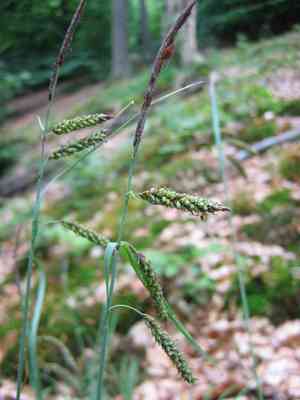
The revitalizing warmth of springtime provides glaucous sedge with ideal circumstances for developing new root systems. Cultivate in damp, adequately draining soil, exposed to partial sunlight. Carefully loosen roots if they are constricted by the pot to facilitate improved expansion and adaptation.
What Preparations are Needed Before Transplanting Glaucous Sedge?
What is the Ideal Time for Transplanting Glaucous Sedge?
The perfect time for relocating glaucous sedge is during spring's onset, as this period allows for root development prior to summer's warmth. Moving glaucous sedge in this season leverages natural growth cycles, optimizing root expansion and reducing transplant shock in the favorable mild weather.
How Much Space Should You Leave Between Glaucous Sedge Plants?
When planting your glaucous sedge, provide each one ample room to grow. A spacing of approximately 1-2 feet (30-60 cm) apart is optimal. This ensures your plants have sufficient area to thrive without becoming overcrowded.
What is the Best Soil Mix for Glaucous Sedge Transplanting?
Your glaucous sedge will flourish best in well-drained, fertile soil. Prepare your planting site with a base of compost or slow-release granular fertilizer. This will nourish your plants and aid in establishing robust roots.
Where Should You Relocate Your Glaucous Sedge?
Choose a garden spot that receives full sun to partial shade for transplanting your glaucous sedge. Insufficient sunlight could hinder growth, while excessive sun might cause leaf scorching. Aim for a balanced exposure.
What Equipments Should You Prepare Before Transplantation Glaucous Sedge?
Gardening Gloves
To safeguard your hands while handling the glaucous sedge plant and related materials.
Shovel or Spade
To excavate the plant from its original spot and prepare the planting hole at the new site. A smaller hand trowel might also be useful.
Bucket or Wheelbarrow
To safely transport the glaucous sedge while keeping its root ball intact.
Garden Hose or Watering Can
To hydrate the plant both in its initial location and after moving it to the new site.
Mulch
This will be beneficial after transplanting to help maintain soil moisture and regulate temperature.
Organic Compost
This will provide your glaucous sedge with a nutrient boost once it's transplanted.
How Do You Remove Glaucous Sedge from the Soil?
How Do You Remove Glaucous Sedge from the Soil?
From Ground: Begin by watering the glaucous sedge to moisten the soil. This facilitates easier removal of the entire root ball. Next, dig a wide trench around the plant using the shovel or spade, ensuring to encompass the full root ball. Once you've dug around the plant, work the spade beneath the root ball. Try to keep the root ball whole as you carefully lift the glaucous sedge from its original spot.From Pot: Water the glaucous sedge plant then gently tilt the pot on its side and ease the plant out. It should slide out with the root ball and soil. If the plant resists, you can run a knife around the inside edge of the pot to loosen it.From Seedling Tray: First, water your young glaucous sedge plant. Gently grasp the plant at its base and apply pressure to the bottom of the pot with your other hand until the plant and its root ball emerge.
Step-by-Step Guide for Transplanting Glaucous Sedge
Preparation
Begin by preparing a hole in the chosen spot that's twice as wide and the same depth as the root ball. Add a layer of organic compost at the bottom of the hole. This will provide a nutrient-rich foundation for the glaucous sedge plant.
Positioning
Place your glaucous sedge plant in the center of the hole, ensuring it stands upright. The top of the root ball should be level with the surrounding ground.
Backfilling
Now, refill the hole with soil, gently firming it around the plant's base to ensure stability.
Watering
Give your glaucous sedge plant a thorough watering to settle the soil and establish contact between the roots and the new soil.
Mulching
Apply a generous layer of mulch around the base of the glaucous sedge, leaving a small gap around the stem. The mulch will help retain moisture and suppress weeds.
How Do You Care For Glaucous Sedge After Transplanting?
Watering
Ensure the soil remains consistently moist but avoid over-watering. The initial few weeks are crucial, as this is when the glaucous sedge plant will establish its roots in the new location. If the weather is particularly dry, daily watering might be necessary.
Protection
If frost or intense sun is forecast for the first few days post-transplantation, consider using a breathable white fabric or shade net to shield your glaucous sedge.
Maintenance
Monitor for any signs of stress such as wilting, yellowing, or browning leaves. If observed, consider seeking advice from a local garden center or an online gardening community.
Troubleshooting Common Issues with Glaucous Sedge Transplantation.
When is the best time to transplant glaucous sedge?
The optimal period to transplant glaucous sedge is during the S1-S3 seasons. Relocating during this time enhances their ability to adapt.
What is the ideal distance when planting glaucous sedge?
Maintain a spacing of about 1-2 feet (30-60 cm) between each glaucous sedge. This ensures every plant has sufficient room to develop.
How should the garden soil be prepared before transplanting glaucous sedge?
Prior to transplanting, ensure the soil is well-drained and rich in organic matter. A pH balance between 5 and 7 is ideal for glaucous sedge.
How deep should I plant glaucous sedge when transplanting?
Place the root ball of glaucous sedge at the same depth it was in its previous spot. Avoid planting too deeply to prevent root rot.
What would happen if I give glaucous sedge too much water after transplanting?
Excessive watering can lead to root rot, which may kill the plant. Water glaucous sedge thoroughly without causing waterlogging and keep the soil slightly moist.
How frequently should I water glaucous sedge after transplanting?
Water glaucous sedge frequently within the first couple of weeks after transplanting, ensuring the soil remains consistently damp but not saturated.
Do I need to prune glaucous sedge after transplanting?
Light pruning might be necessary to balance the plant's top growth with its root system. Remove damaged or overly long branches, but no more than a third.
Should I feed glaucous sedge after transplanting?
A slow-release granular fertilizer can promote glaucous sedge's growth after transplanting. However, avoid immediate feeding; wait a few weeks until the plant has settled.
Why has glaucous sedge leaves started to wilt after transplanting?
Wilting could indicate water stress or damage during transplantation. Ensure glaucous sedge is adequately watered, and minimize damage before and during transplanting.
Is it necessary to mulch around glaucous sedge after transplanting?
Yes. Mulching helps retain moisture and prevents rapid soil temperature fluctuations, creating a favorable environment for glaucous sedge to establish its roots.



