How to Transplant Thin-fruit sedge?
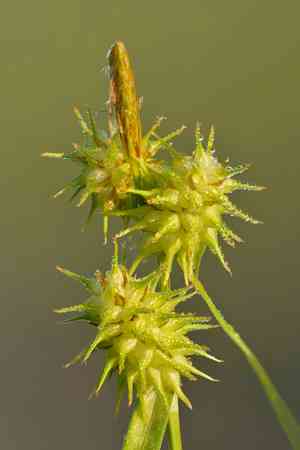
Thin-fruit sedge flourishes when relocated between early and late spring or early and late winter, owing to moderate temperatures. Select a site with partial shade and damp, adequately draining earth. Verify that the new position mirrors the plant's original environment for optimal development.
Essential Preparations Before Relocating Thin-fruit Sedge?
Optimal Period for Relocating Thin-fruit Sedge?
The best time to move thin-fruit sedge, a perennial, is from early to late spring or early to late winter. Transplanting during these windows ensures adequate moisture and suitable temperatures for robust root establishment, promoting healthier development. This strategic timing helps minimize transplant shock and strengthens the plant for the upcoming growing season.
Required Spacing Between Thin-fruit Sedge Plants?
When relocating thin-fruit sedge, position each plant 12-18 inches (30-45 cm) apart. This spacing guarantees ample room for growth and prevents overcrowding.
Ideal Soil Blend for Thin-fruit Sedge Relocation?
Amend the soil by incorporating compost or aged manure to enhance fertility and drainage. Thin-fruit sedge prefers damp, well-draining soil rich in organic material.
Recommended New Location for Your Thin-fruit Sedge?
Select a site that receives partial to full shade. Thin-fruit sedge thrives in areas with some sunlight but protection from intense afternoon sun.
Necessary Tools Before Relocating Thin-fruit Sedge?
Gardening Gloves
To safeguard your hands while handling soil and plants.
Shovel or Spade
For digging around and carefully lifting the plant.
Trowel
For precise digging and planting tasks.
Pruning Shears
To trim any damaged roots or foliage.
Watering Can or Hose
To hydrate the plant post-transplant.
Compost or Mulch
To enrich the soil and maintain moisture.
How to Extract Thin-fruit Sedge from its Original Spot?
How to Extract Thin-fruit Sedge from its Original Spot?
From Ground: First, moisten the thin-fruit sedge plant's soil. Then, excavate a wide trench around the plant using a shovel or spade, ensuring the root ball remains intact. Carefully maneuver the spade beneath the root ball to lift the plant from its initial position.From Pot: Gently water the thin-fruit sedge in its container to facilitate soil manipulation. Invert the pot sideways and tap the base to release the plant. Carefully slide the plant out, keeping the root ball undisturbed.From Seedling Tray: Water the seedlings in the tray before attempting removal. Loosen the soil surrounding each seedling and gently lift each plant by its base, taking care not to harm the roots.
Detailed Steps for Relocating Thin-fruit Sedge
Site Preparation
Dig a hole in the chosen spot that is twice the width and equal to the depth of the thin-fruit sedge's root ball.
Planting the thin-fruit sedge
Position the thin-fruit sedge in the hole, ensuring the top of the root ball is level with the ground. Backfill the hole with soil, gently pressing down to remove air pockets.
Watering
Thoroughly water the thin-fruit sedge immediately after planting to help settle the soil around the roots.
Mulching
Apply a layer of compost or mulch around the base of the thin-fruit sedge to retain moisture and regulate soil temperature.
Post-Relocation Care for Thin-fruit Sedge?
Watering
Maintain consistent moisture in the soil around the thin-fruit sedge, avoiding sogginess, for the initial weeks after transplanting to encourage strong root development.
Monitoring
Observe the thin-fruit sedge for indications of stress, such as wilting or yellowing leaves, and adjust care as necessary.
Weeding
Regularly remove any weeds from the vicinity of the thin-fruit sedge to reduce competition for nutrients and water.
Protection
If relocated to a sunny spot, consider providing temporary shade for the thin-fruit sedge during the first few days to mitigate transplant shock.
Resolving Common Issues with Thin-fruit Sedge Relocation.
When is the ideal time to relocate thin-fruit sedge?
The best transplanting period is from early to late spring or early to late winter.
What spacing should I use when relocating thin-fruit sedge?
Ensure each thin-fruit sedge plant is spaced 12-18 inches (30-45 cm) apart for healthy growth.
How do I prepare thin-fruit sedge for relocation?
Water the plant well the day prior. Prepare the new site by loosening soil and adding compost.
What's a common sign of transplant shock in thin-fruit sedge?
Wilting or yellowing leaves can indicate transplant shock. Keep the plant adequately watered!
How deep should I plant thin-fruit sedge in its new location?
Plant thin-fruit sedge at the same depth it was in its original container or ground position.
How should I water thin-fruit sedge after relocating?
Water thoroughly immediately after transplanting and keep the soil moist, but not waterlogged, for the initial weeks.
What type of soil is best for thin-fruit sedge?
Thin-fruit sedge thrives in well-draining, fertile soil enriched with organic matter like compost.
How can I ensure the roots of thin-fruit sedge establish well?
Gently loosen the root ball before planting to encourage root spread in the new location.
Do I need to fertilize thin-fruit sedge after relocating?
It's beneficial to apply a balanced, all-purpose fertilizer a few weeks after relocating thin-fruit sedge.
What should I do if thin-fruit sedge is not growing well after relocating?
Check soil moisture and adjust watering. Consider mulching around the base to retain water and suppress weeds.



