How to Transplant Pennsylvania sedge?
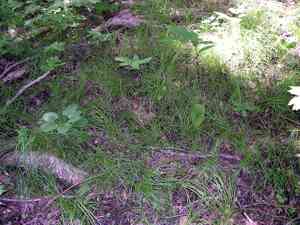
Relocating pennsylvania sedge is most successful during the revitalizing period of late spring or summer, allowing roots to establish firmly in partially shaded areas with adequately draining earth. Carefully separate the roots to promote expansion.
What Preparations are Needed Before Transplanting Pennsylvania Sedge?
What is the Ideal Time for Transplanting Pennsylvania Sedge?
The best period for moving pennsylvania sedge is during the active growth months of late spring or early summer. This timing aligns with pennsylvania sedge's natural development, promoting root establishment in warm soil, leading to a smooth transition and strong growth. Utilizing this season's mild weather ensures a successful transplant, allowing pennsylvania sedge to flourish in its new spot. Choosing this time for transplanting lets pennsylvania sedge benefit from longer days and moderate temperatures, making it an easy and low-stress process.
How Much Space Should You Leave Between Pennsylvania Sedge Plants?
When transplanting pennsylvania sedge, position young plants approximately 1-2 feet (30.5-61 cm) apart. This provides ample room for them to grow and spread, resulting in a healthy, dense patch of pennsylvania sedge.
What is the Best Soil Mix for Pennsylvania Sedge Transplanting?
For pennsylvania sedge, you'll need soil that drains well. A standard garden soil type should be suitable. Before planting, incorporate a slow-release, granular fertilizer to give your pennsylvania sedge a strong nutritional foundation.
Where Should You Relocate Your Pennsylvania Sedge?
For the ideal location for pennsylvania sedge, choose a spot with partial shade. Avoid placing pennsylvania sedge in areas with full, direct sun exposure. Instead, find a location that receives some afternoon shade.
What Equipments Should You Prepare Before Transplantation Pennsylvania Sedge?
Spade or garden shovel
These are essential for digging the planting hole for pennsylvania sedge and for carefully removing the plant from its current location.
Gardening Gloves
To safeguard your hands from any sharp elements in the soil or the roots of the pennsylvania sedge plant during the process.
Watering Can
For moistening the soil before and after transplanting the pennsylvania sedge, to ensure it stays hydrated.
Mulch
This will be useful for covering the area around your transplanted pennsylvania sedge to retain moisture and prevent weed growth.
Stake & Ties
If your pennsylvania sedge has a tall flowering stem, you might need these to support the plant in its new spot until its roots are established.
How Do You Remove Pennsylvania Sedge from the Soil?
How Do You Remove Pennsylvania Sedge from the Soil?
From Ground: Gently water the pennsylvania sedge plant to dampen the soil. Using your spade or shovel, carefully dig around and beneath the plant; aim to keep the root ball intact. Once the plant feels loose enough, slowly lift it from the soil, making sure to preserve as much of the root ball as possible.From Pot: Water the pennsylvania sedge thoroughly to soften the soil. Turn the pot on its side, support the plant at its base with your hand, and gently tap the bottom of the pot. The plant should slide out with the soil and roots still together. If it doesn't, use your spade or fingers to loosen the soil and try again. Be careful not to harm the roots.From Seedling Tray: If you're working with a smaller pennsylvania sedge seedling, likely from a tray. Use a spoon or similar tool to carefully lift the seedling out, ensuring you keep as much of the root system as possible. It's crucial here not to damage the delicate young roots.
Step-by-Step Guide for Transplanting Pennsylvania Sedge
Preparation
Dig a hole in your garden that is at least twice as wide and as deep as the pennsylvania sedge's root ball. Fill the hole with a small amount of water.
Transplanting
Gently place the pennsylvania sedge plant into the hole. Be sure to spread out the roots, and position the plant so its base will be level with the ground once the hole is filled.
Backfilling
Fill the hole with soil, tamping lightly to remove air pockets that could dry out the roots. It should be filled so the pennsylvania sedge plant stands completely upright on its own.
Final Watering
Water the pennsylvania sedge thoroughly after planting.
Mulching
Apply a layer of mulch around the pennsylvania sedge to help retain moisture and reduce the growth of weeds that could compete with your new plant.
How Do You Care For Pennsylvania Sedge After Transplanting?
Watering
Consistent and regular watering is vital for the pennsylvania sedge in the initial weeks following transplanting, to ensure the plant's roots stay well-hydrated and adapt to their new location.
Weeding
Monitor for any weeds that may grow near the pennsylvania sedge and remove them promptly. Weeds compete with the plant for essential nutrients, which you want to avoid.
Inspect
Regularly check the pennsylvania sedge for any indications of disease or pests; these can impede the plant's growth and require immediate treatment.
Feeding
Although the pennsylvania sedge doesn't require much fertilizer. A light application of a balanced, all-purpose fertilizer one month after transplanting can stimulate its growth.
Troubleshooting Common Issues with Pennsylvania Sedge Transplantation.
When is the best time to transplant pennsylvania sedge?
The optimal period falls between the third and sixth season. Essentially, early fall to late spring is an ideal timeframe for transplanting pennsylvania sedge.
What is the ideal distance between the pennsylvania sedge when transplanting?
Pennsylvania sedge will thrive best when they're spaced approximately 1-2 feet (30-60cm) apart. This provides ample room for the roots to spread and helps ensure healthy growth.
My pennsylvania sedge is wilting after transplanting. What can I do?
Don't worry. Ensure the plant is adequately watered, but not waterlogged. Make sure it's not exposed to harsh sunlight. With time, it should recover.
How often should I water pennsylvania sedge after transplanting?
Watering frequency will vary according to seasonal weather conditions. Generally, water thoroughly once a week, but ensure the soil isn't overly saturated to prevent root rot.
Should fertilizers be applied immediately after transplanting pennsylvania sedge?
Resist the urge to add fertilizer right after transplanting. Give the pennsylvania sedge some time to adjust first. You can start fertilizing once you see new growth.
The leaves of pennsylvania sedge are turning yellow after transplanting. Why?
This may indicate overwatering or poor drainage. Review your watering schedule and ensure the soil drains well. Don't stress, your plant is robust and should recover.
Do you have tips to reduce transplant shock in pennsylvania sedge?
Yes, indeed! Water the plant before moving it, transplant during recommended seasons, and ensure it is appropriately spaced. Also, maintain its original soil depth to reduce shock.
What soil type is best when transplanting pennsylvania sedge?
Pennsylvania sedge prefers well-drained soil that is slightly acidic or neutral. Adding organic matter or compost can enhance the soil's fertility and drainage.
Should I trim or prune pennsylvania sedge after transplanting?
Initially, hold off on trimming. Allow pennsylvania sedge to establish itself first. Once settled, trim to maintain size and health, but be careful not to over prune.
My transplanted pennsylvania sedge isn't growing. What could be wrong?
Ensure proper watering, appropriate spacing, right soil type, and observe for pests. If all checks out, allow the pennsylvania sedge more time. Transplants sometimes take time to establish.



