How to Transplant Seersucker sedge?
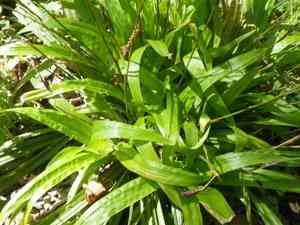
The most favorable period for relocating seersucker sedge is in the spring, as moderate warmth and damp ground facilitate root development. To ensure thriving, select a location that receives full or partial shade, featuring fertile, adequately draining soil. Gradually introduce seersucker sedge to its new environment to aid in its adjustment.
What Preparations are Needed Before Transplanting Seersucker Sedge?
What is the Ideal Time for Transplanting Seersucker Sedge?
The optimal period for relocating seersucker sedge is during the spring rejuvenation. Moving it in spring takes advantage of mild temperatures and ample moisture, promoting strong root development before summer's heat. Transplanting seersucker sedge in this season is beneficial as the gradual warming supports vigorous growth, ensuring a smooth transition to its new spot. This timing aligns the natural growth cycle of seersucker sedge with perfect environmental conditions, promising a thriving future for your green companion.
How Much Space Should You Leave Between Seersucker Sedge Plants?
When planting seersucker sedge, ensure each plant is spaced approximately 2-3 feet or 60-90 cm apart. This allows them to grow optimally without competing for nutrients or sunlight.
What is the Best Soil Mix for Seersucker Sedge Transplanting?
Prepare a soil that retains moisture well and is rich in organic matter for seersucker sedge. Loamy soil is a good recommendation. If possible, mix some compost or well-rotted manure into the existing soil. This will serve as the initial fertilizer.
Where Should You Relocate Your Seersucker Sedge?
The perfect spot to transplant seersucker sedge would be an area with partial to full shade. They do not thrive in direct sunlight, so a location that receives morning or late-afternoon sun would be ideal.
What Equipments Should You Prepare Before Transplantation Seersucker Sedge?
Gardening Gloves
To safeguard your hands while working with the soil and seersucker sedge.
Garden Trowel
To carefully extract the seersucker sedge from its original spot without harming its root ball.
Watering Can
To maintain consistent soil moisture levels during the transplanting process.
New Planting Area
A chosen location for these plantsâsuch as a shady to fully shaded area with good air circulation.
Compost
To blend with the native soil of the new planting site, providing essential nutrients to the plant.
Garden Fork
To loosen and aerate the soil of the new planting area, making it easier for roots to penetrate and establish.
Gardening Shovel
For digging the hole in the new planting area to accommodate the seersucker sedge.
How Do You Remove Seersucker Sedge from the Soil?
How Do You Remove Seersucker Sedge from the Soil?
From Ground: First, water the seersucker sedge plant to dampen the soil, making it easier to dig. Then, use a trowel to dig around the plant, ensuring you don't damage the root ball while keeping a safe distance from the plant's base. Next, carefully slide the trowel under the root ball, lifting the plant with a substantial clump of soil. Be careful not to shake or jiggle the plant excessively to avoid stress and damage.From Pot: Before removing the seersucker sedge plant from its pot, water it thoroughly. Tip the pot on its side, then gently tap it to loosen the soil and roots. Now, carefully slide the plant out, keeping as much soil intact with the roots as possible. If it's stuck, avoid pulling the plant; instead, use a knife or stick to loosen the soil around the pot's edge.From Seedling Tray: Depending on the size of the seersucker sedge plant, use a spoon or small trowel to gently dig it out, ensuring the roots and their surrounding soil remain as intact as possible.
Step-by-Step Guide for Transplanting Seersucker Sedge
Preparation
Loosen the soil in the new planting area using a garden fork. The soil should be loose and aerated to a depth of 12-15 inches. Mix some compost into this soil to add nutrients.
Digging
Dig a hole that is twice as wide as the root ball of your seersucker sedge and equally deep. The plant should not be too deep or too high from the ground level.
Plantation
Gently place the seersucker sedge plant into the hole. The roots should be spread out. Fill the hole with the enriched soil, pressing it gently around the plant to ensure it stands upright.
Watering
Water the plant thoroughly. This will help the soil settle around the roots. Continue to water the seersucker sedge for the next few weeks until it establishes.
How Do You Care For Seersucker Sedge After Transplanting?
Mulching
Applying a layer of organic mulch around the base of seersucker sedge will help retain soil moisture and suppress weed growth.
Pruning
If any parts of the plant were damaged during the transplanting process, gently remove them using a clean, sharp tool. This will encourage healthy new growth and prevent disease from spreading.
Monitoring
Closely observe your newly transplanted seersucker sedge for the first few weeks for signs of distress, such as wilting leaves or stunted growth, and adjust its care accordingly.
Troubleshooting Common Issues with Seersucker Sedge Transplantation.
When's the best time of year to transplant my seersucker sedge?
Friendly note, transplant your seersucker sedge during S1-S3, it's the best growing period to ensure a healthy relocation.
What's the best soil for transplanting my seersucker sedge into?
Seersucker sedge thrive best in moist, well-drained soil. So, squeezing in a bit of compost or organic matter can also boost the process.
What depth should I plant my seersucker sedge at when I'm transplanting it?
Digs a hole 2 times the width, and depth of your seersucker sedge's root ball. It encourages proper rooting and plant health.
What spacing is ideal when transplanting multiple seersucker sedge?
Create a pleasing space for each seersucker sedge by keeping them 2-3 feet (60-90cm) apart. It ensures proper growth and ventilation.
What watering routine should I follow post-transplant of seersucker sedge?
After transplanting, water your seersucker sedge thoroughly. Continue to keep soil moist but be careful not to overwater.
How to handle my seersucker sedge during the transplant process?
Handle your seersucker sedge with care during transplanting. Gentle support to the stem and roots can prevent unnecessary damage.
Do I need to prune my seersucker sedge after transplanting?
Seersucker sedge doesn't require immediate pruning post-transplant. Once settled, occasional pruning encourages abundant growth.
How to ensure my seersucker sedge doesnât suffer from transplant shock?
Minimize transplant shock by watering well, providing shade for the first few days, and avoiding drastic temperature changes.
Could any pests or diseases affect my transplanted seersucker sedge?
Keep an eye for pests and rot. If any signs appear, treat with an organic pesticide or fungicide promptly.
Any particular care tips after transplanting my seersucker sedge?
Post-transplant, monitor your seersucker sedge's growth carefully. Maintain moist soil and proper sunlight to encourage a successful transplant.



