How to Transplant Broad-leaf sedge?
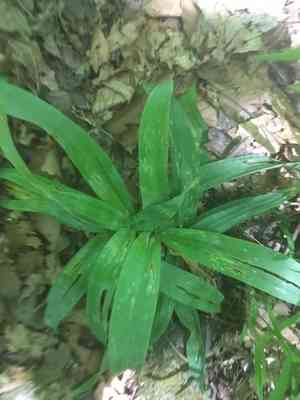
The arrival of warmer weather, as winter transitions into the mild period of early spring, presents an ideal opportunity for relocating broad-leaf sedge. Choose a shaded spot with damp earth. To ensure successful establishment, minimize root disruption and provide generous watering after transplantation.
What Preparations are Needed Before Transplanting Broad-leaf Sedge?
What is the Ideal Time for Transplanting Broad-leaf Sedge?
The optimal period for relocating broad-leaf sedge is at the start of the growing season, when cooler temperatures and ample soil moisture encourage root development. By establishing roots in the gentle conditions of early spring, broad-leaf sedge achieves a strong beginning, enabling it to flourish and settle. The benefit? You'll observe vigorous growth and robust health, as this timing aligns perfectly with the plant's natural life cycle.
How Much Space Should You Leave Between Broad-leaf Sedge Plants?
When planning your garden layout, aim to position your broad-leaf sedge approximately 1-2 feet (30-60 cm) apart. This spacing will provide each plant sufficient room to thrive and expand without competing for essential resources.
What is the Best Soil Mix for Broad-leaf Sedge Transplanting?
Prior to transplanting your broad-leaf sedge, ensure your soil is well-prepared. A fertile and well-draining soil composition is most suitable for this plant. Incorporate a base fertilizer into the soil to enhance nutrient levels and support early plant development.
Where Should You Relocate Your Broad-leaf Sedge?
Select a site for your broad-leaf sedge that receives partial sun exposure. While they can endure full shade, they do appreciate some sunlight. Just remember, excessive intense, direct sun can be detrimental. Enjoy your gardening!
What Equipments Should You Prepare Before Transplantation Broad-leaf Sedge?
Gardening Gloves
Essential for safeguarding your hands from potential abrasions or cuts when handling the broad-leaf sedge plant and working in the soil.
Trowel
A useful implement primarily employed for excavating and moving small quantities of soil or other materials.
Gardening Spade
Required for digging a suitably sized hole for planting in the ground.
Watering Can
Necessary for hydrating the plant both before and after transplantation.
Pruning Shears
Convenient for trimming any dead foliage from the plant, if required.
Compost
An excellent soil amendment to supply the necessary nutrients for the broad-leaf sedge plant, should the soil lack fertility.
Mulch
To conserve soil moisture and inhibit weed growth after planting.
How Do You Remove Broad-leaf Sedge from the Soil?
How Do You Remove Broad-leaf Sedge from the Soil?
From Ground: Start by watering the broad-leaf sedge plant to ensure the soil is damp and the roots are less prone to damage. Use your trowel or spade to carefully dig around the plant, aiming to keep the root ball intact. Once you've dug a wide circle around the plant, begin prying beneath the root ball with the spade and gently lift out the plant.From Pot: Hydrate the broad-leaf sedge plant first. Once the soil is moist, turn the pot on its side, grasp the plant by its base, and gently attempt to slide it out. You might need to tap the bottom of the pot to loosen the soil. Be careful not to harm the root ball during this process.From Seedling Tray: For seedlings, water them initially to facilitate removal. Using a sanitized tool, carefully lift each broad-leaf sedge seedling by its leaves, not the stem, to gently ease it out from the tray. Ensure the root system is handled with great care.
Step-by-Step Guide for Transplanting Broad-leaf Sedge
Preparation
Begin by preparing the planting site. The hole should be twice the width of the broad-leaf sedge root ball and equal to its depth. Also, prepare some organic compost if the soil lacks nutrients.
Placing the Plant
Gently position the broad-leaf sedge plant into the hole, ensuring that the top of the rootball is level with the ground surface.
Backfill
Fill in around the plant with the soil you just removed (mix with compost if used). Firm the soil gently to eliminate any large air pockets around the roots.
Watering
Water the plant immediately after planting to help settle the soil. Use the watering can to prevent washing away the soil around the plant.
Mulching
Finally, spread a couple of inches of mulch around the base of the plant. This assists in retaining soil moisture and preventing weed competition.
How Do You Care For Broad-leaf Sedge After Transplanting?
Watering
Water the broad-leaf sedge plant regularly for the first few weeks or until new growth appears, indicating it's well-established. Be careful not to let the soil become waterlogged.
Pruning
Occasional trimming might be necessary to shape the plant and remove dead foliage, encouraging healthier development.
Monitoring
Keep an eye on the broad-leaf sedge plant for any indications of stress or disease, such as wilting leaves or discoloration. Ensure it is protected from harsh environmental conditions like frost or extreme heat.
Fertilizing
If the plant appears to lack vigor after a few weeks, consider applying a balanced, slow-release fertilizer according to the product's instructions.
Troubleshooting Common Issues with Broad-leaf Sedge Transplantation.
What is the best time of year to transplant broad-leaf sedge?
Relocating your broad-leaf sedge in 'S1' is advised. This season ideally supports the growth and development of your plant.
How much space should I leave between broad-leaf sedge during transplanting?
It's best to maintain a 1-2 feet (30-60 cm) gap between each broad-leaf sedge during the transplanting process. This ensures healthy and unrestricted growth.
What should I do if the leaves of broad-leaf sedge turn yellow after transplanting?
Yellow leaves could signal overwatering or nutrient deficiency. Reduce watering, ensure proper drainage, and add a balanced, slow-release fertilizer.
How deep should I plant the broad-leaf sedge while transplanting?
You should dig a hole deep enough to cover the broad-leaf sedge's rootball. The top of the rootball should be level with the soil surface.
How to care for broad-leaf sedge immediately following transplantation?
Thoroughly water broad-leaf sedge right after transplanting. Keep the soil moist for 2-3 weeks to help the plant establish its root system in its new location.
What kind of soil is suitable for transplanting broad-leaf sedge?
Broad-leaf sedge prefers well-drained soil rich in organic matter. Consider adding compost or peat moss to enrich your soil before transplanting.
Can I transplant broad-leaf sedge in full sunlight?
Broad-leaf sedge thrives best in partial shade. Too much direct sunlight after transplantation can cause leaf burn, so choose a spot with filtered light.
Why are my recently transplanted broad-leaf sedge wilting?
Wilting could be due to transplant shock. Ensure adequate watering, provide shade, and avoid fertilizing until the plant recovers and new growth appears.
Should I prune broad-leaf sedge before transplanting?
No need to prune broad-leaf sedge before transplanting. Pruning can cause further stress. If necessary, just trim any damaged or dead leaves.
Can I use growth hormones during broad-leaf sedge transplantation?
Yes, you can. Root stimulant or growth hormones can help broad-leaf sedge establish faster in new locations. Always follow the product's instructions.



