How to Transplant Clustered Field Sedge?
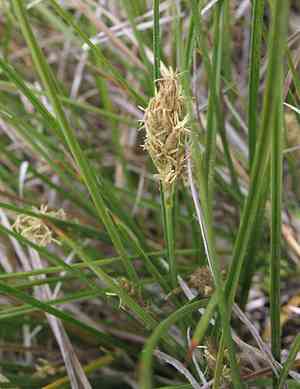
It is advisable to relocate clumped Field Sedge during the mild resurgence of nature, from early to late spring, as these conditions foster vigorous development. Select a location that receives abundant sunlight and possesses good drainage. A helpful suggestion: a mild soil enrichment can aid clumped Field Sedge in flourishing after transplantation.
What Preparations are Needed Before Transplanting Clustered Field Sedge?
What is the Ideal Time for Transplanting Clustered Field Sedge?
The optimal period for relocating clustered Field Sedge extends from the onset of early spring to the peak of late spring. During this timeframe, moderate temperatures and increasing daylight work together to foster strong root development. Moving clustered Field Sedge in this season guarantees a smooth transition to their new environment, boosting their vitality for the months ahead. When you move clustered Field Sedge during this supportive window, you're setting the stage for vigorous growth, and your garden will reward you with robust plants that are more resistant to stresses throughout the year.
How Much Space Should You Leave Between Clustered Field Sedge Plants?
Before moving clustered Field Sedge to its new location, select a spot where you can position them approximately 8-12 inches (20-30 cm) apart. This spacing will provide each plant with ample room to thrive without becoming overcrowded.
What is the Best Soil Mix for Clustered Field Sedge Transplanting?
For thriving clustered Field Sedge, incorporate some organic compost into well-draining soil before you begin. A general-purpose slow-release fertilizer will offer a good start without overwhelming your plants.
Where Should You Relocate Your Clustered Field Sedge?
Select a site for clustered Field Sedge that receives ample sunlight, as they flourish in bright conditions. If the sunniest spots are occupied, don't worryâpartial shade will be perfectly suitable for these adaptable plants.
What Equipments Should You Prepare Before Transplantation Clustered Field Sedge?
Gardening Gloves
To safeguard your hands while handling soil and plants.
Shovel or Spade
For excavating and moving the clustered Field Sedge.
Hand Trowel
To refine the planting hole or manage smaller specimens.
Watering Can or Hose
To hydrate the clustered Field Sedge before, during, and after relocation.
Wheelbarrow or Garden Cart
For transporting the clustered Field Sedge if it's large or there are multiple plants.
Pruning Shears
To trim any damaged roots or foliage as needed.
How Do You Remove Clustered Field Sedge from the Soil?
How Do You Remove Clustered Field Sedge from the Soil?
From Ground: Start by moistening the clustered Field Sedge's soil to facilitate removal. Use a shovel or spade to dig a perimeter wider than the visible root spread. Gently work the tool beneath to lift the entire root ball without causing damage.From Pot: Water the clustered Field Sedge prior to beginning. Tilt the pot sideways and gently tap or squeeze it to loosen the root ball. If necessary, run a hand trowel or knife along the inner edge of the pot to aid in extraction.From Seedling Tray: Dampen the soil to simplify extraction. Use a spoon or dibber to lift the seedling, ensuring a generous amount of soil remains around the roots to minimize shock.
Step-by-Step Guide for Transplanting Clustered Field Sedge
Digging the Hole
Excavate a hole that is twice as wide and the same depth as the clustered Field Sedge's root ball.
Inspecting Roots
Examine the root ball, and use pruning shears to remove any damaged or circling roots.
Placing the clustered Field Sedge
Gently position the clustered Field Sedge in the center of the hole, ensuring it is level with the surrounding ground.
Filling the Hole
Backfill the hole with the excavated soil, tamping down lightly to eliminate air pockets.
Watering
Thoroughly drench the area to settle the soil and hydrate the clustered Field Sedge's roots.
Mulching
Apply a layer of mulch around the base of the clustered Field Sedge to retain moisture and regulate soil temperature.
How Do You Care For Clustered Field Sedge After Transplanting?
Initial Watering
Provide the clustered Field Sedge with consistent moisture, watering deeply to encourage root development.
Mulch
Maintain the mulch layer to conserve water and prevent weeds; be careful not to let it touch the clustered Field Sedge's stem.
Monitoring
Regularly inspect the clustered Field Sedge for signs of stress and adjust care as needed.
Pruning
Snip away only the damaged or dead foliage to direct the clustered Field Sedge's energy towards establishing roots.
Troubleshooting Common Issues with Clustered Field Sedge Transplantation.
Why is my clustered Field Sedge wilting after transplantation?
Wilting can occur if the clustered Field Sedge experiences shock from the change. Ensure it receives regular watering and that roots were not damaged during the process.
What's the best time to transplant clustered Field Sedge?
The optimal period for transplanting clustered Field Sedge is during the cooler months of early to late spring, allowing for root establishment before summer.
How often should I water clustered Field Sedge post-transplant?
Initially, water clustered Field Sedge deeply every couple of days to aid root establishment, then reduce frequency once new growth appears.
What's the ideal distance between transplanted clustered Field Sedge?
Space clustered Field Sedge approximately 8-12 inches (20-30 cm) apart. This ensures each plant has sufficient room to grow and spread.
Can I transplant clustered Field Sedge under full sun?
Yes, clustered Field Sedge can be transplanted under full sun, but ensure it is well hydrated and the soil remains moist.
How deep should the hole be for transplanting clustered Field Sedge?
Dig a hole as deep as the root ball and twice as wide to give your clustered Field Sedge a strong start.
What type of soil is best for transplanting clustered Field Sedge?
Use well-drained, fertile soil with a slight acidity to pH neutral (5.5 - 7) for optimal results with clustered Field Sedge.
Can clustered Field Sedge be transplanted in colder regions?
Yes, clustered Field Sedge is cold-tolerant, but transplanting should ideally occur before the first frost for root establishment.
Should I fertilize clustered Field Sedge right after transplanting?
Wait a few weeks before fertilizing to prevent burning new roots. Allow clustered Field Sedge to settle in its new location first.
I accidentally broke a clustered Field Sedge root during transplant, what should I do?
Trim the damaged root cleanly to prevent decay and proceed with transplanting as usual. Keep the soil moist to support recovery.



