How to Transplant Berkeley sedge?
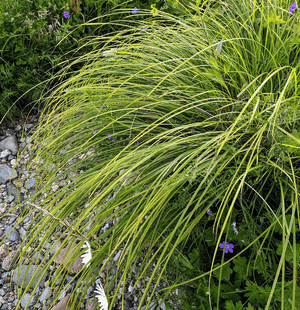
Relocate berkeley sedge during the revitalizing period of early to mid-spring to encourage robust root development. Select a location offering partial shade and verify that the ground provides good drainage. Exercising caution when manipulating the root system will lead to superior outcomes.
Essential Preparations Before Relocating Berkeley Sedge
Optimal Timing for Moving Berkeley Sedge?
The prime period for rehousing berkeley sedge is at the onset of spring's revitalization, specifically during early to mid-spring. During this time, milder temperatures and increased moisture offer berkeley sedge an ideal environment to comfortably establish its root system before summer's heat intensifies. Moving berkeley sedge then leverages its natural growth cycle, promoting stronger development. It also coincides with the garden's awakening, creating a favorable setting for berkeley sedge to flourish alongside other garden inhabitants.
Recommended Spacing Between Berkeley Sedge Plants?
To allow your berkeley sedge ample room to expand, aim for a transplant spacing of approximately 1-2 feet (30-60 cm) apart. This ensures each plant has sufficient growth area, fostering healthier development.
Best Soil Blend for Berkeley Sedge Relocation?
Prepare a soil mixture that drains effectively, ideally sandy or loamy. Prior to planting, gently enrich it with a slow-release, all-purpose fertilizer to supply the necessary nutrients for the berkeley sedge.
Where to Replant Your Berkeley Sedge?
Select a location offering partial to full shade for your berkeley sedge. This plant appreciates sunlight, but excessive direct sun can lead to leaf scorching. Therefore, a spot with filtered sunlight throughout the day is perfect.
Tools Required Before Transplanting Berkeley Sedge?
Gardening Gloves
For hand protection when handling soil and the plant.
Shovel or Garden Spade
To excavate the plant from its original spot.
Garden Trowel
For digging holes and transferring soil at the new planting site.
Watering Can or Hose
To hydrate the plant before and after its relocation.
Wheelbarrow or Container
To safely transport the plant and its surrounding soil.
Pruners
To trim any damaged or unproductive parts of the plant during the transplanting process.
How to Extract Berkeley Sedge from the Ground?
How to Extract Berkeley Sedge from the Ground?
From Ground: Begin by moistening the berkeley sedge plant's soil to soften it. Once the soil is adequately damp, dig around the plant with a shovel, creating a sufficiently wide circle to keep the root ball intact. Exercise caution and patience when lifting the plant from the ground to prevent root damage.From Pot: If your berkeley sedge plant is in a container, water it first. Turn the pot on its side, gently hold the plant by its base, and tap the pot's rim against a firm surface. This action should gradually release the plant, ensuring the root ball remains preserved. Avoid forceful pulling, as this could harm the roots.From Seedling Tray: Keep the soil slightly damp. Then, gently push up from the tray's bottom to dislodge the berkeley sedge seedling. Hold it by its leaves to prevent damage to the delicate roots and stem.
Step-by-Step Guide for Relocating Berkeley Sedge
Excavating the Hole
In your chosen spot, dig a hole that is twice the width of the berkeley sedge's root ball and of equal depth. This provides ample space for the roots to grow and establish.
Positioning the Plant
Place the berkeley sedge in the center of the hole. Ensure the top of the root ball is level with the ground surface. Then, carefully backfill the hole with soil, gently pressing down to remove air pockets.
Watering
After transplanting, thoroughly water the berkeley sedge. This helps settle the soil and reduce plant stress.
Mulching
Apply a layer of organic mulch around the base of the berkeley sedge to retain soil moisture and inhibit weed growth.
Post-Transplantation Care for Berkeley Sedge
Watering
Water the berkeley sedge regularly without over-saturating it. Always check the soil's moisture levelâit should be consistently damp, not excessively wet.
Pruning
To encourage new growth, prune your berkeley sedge as needed, removing dead or yellowing leaves. This helps the plant direct its energy towards healthy development.
Exposure
Monitor your berkeley sedge for changes in its health or growth. If the plant appears unhealthy, consider moving it to a more suitable location.
Patience
Above all, be patient. Transplanting is a shock to the plant, and it may require some time to settle into its new environment before showing growth.
Addressing Common Issues with Berkeley Sedge Relocation.
When is the best time to move berkeley sedge?
The optimal period for transplanting berkeley sedge is between S1 and S2. This timing allows the plant sufficient time to establish roots before active growth phases.
What's the ideal spacing for berkeley sedge when transplanting?
When transplanting, berkeley sedge should be spaced 1-2 feet (30-60 cm) apart. This ensures optimal growth and prevents overcrowding.
Why is my berkeley sedge wilting after I moved it?
If your berkeley sedge wilts post-transplantation, it might indicate transplant shock. This is a common issue, usually resolving as the plant adapts to its new surroundings. Keep the soil adequately hydrated.
How much sunlight does my newly relocated berkeley sedge require?
Berkeley sedge prefers partial shade to full sun. However, after transplanting, consider providing some shade until it establishes. This can minimize stress on the plant during the adjustment period.
Why did the leaves of my berkeley sedge turn yellow after transplanting?
Yellowing leaves could suggest overwatering or a nutrient deficiency. Check your soil's moisture level and nutrient content. Adjusting your watering schedule or adding a balanced fertilizer can help.
What's the survival rate of berkeley sedge after relocation?
Berkeley sedge generally exhibits a high survival rate after transplantation, provided it's moved during the correct season, maintained with appropriate spacing, and cared for regularly.
What signs indicate successful transplantation of berkeley sedge?
Indicators of successful transplantation in berkeley sedge include new growth, vibrant green leaves, and robust roots. The absence of wilting or yellowing leaves also suggests a healthy transition.
How deep should I dig before moving berkeley sedge?
The hole should be twice as wide as the berkeley sedge's root ball and of equal depth. This will provide ample room for the roots to spread and establish.
How much should I water berkeley sedge after relocation?
After transplantation, berkeley sedge needs to remain consistently moist. Water it generously initially, then continue regular watering based on environmental conditions and soil dryness.
What type of soil does berkeley sedge prefer for relocation?
Berkeley sedge can tolerate a wide range of soils but thrives best in well-drained, enriched soil. Adding compost to the planting hole can boost soil fertility.



