How to Transplant Bitternut hickory?
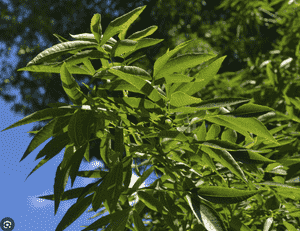
The most suitable period for transplanting Carya cordiformis is in the spring, as this season provides ideal conditions for root development. Choose a location featuring soil that drains effectively and receives abundant sunlight. If possible, opt for a protected spot to shield it from powerful gusts.
What Preparations are Needed Before Transplanting Bitternut Hickory?
What is the Ideal Time for Transplanting Bitternut Hickory?
The best time for relocating bitternut hickory is during spring's renewal, as young trees emerge from dormancy. This allows for strong root development prior to summer's heat. Moving bitternut hickory in this season leverages natural growth cycles, promoting healthier progress and reducing stress. A helpful tipâit's like giving bitternut hickory a head start in its growth journey!
How Much Space Should You Leave Between Bitternut Hickory Plants?
When moving bitternut hickory, ensure adequate room for its development. Aim for a separation of approximately 25-30 feet (about 7.5-9 meters) between plants. This will provide bitternut hickory with ample space to flourish without excessive competition from nearby specimens.
What is the Best Soil Mix for Bitternut Hickory Transplanting?
For bitternut hickory, well-draining soil is essential. Incorporate a foundational fertilizer rich in organic matter before planting. This will supply the vital nutrients bitternut hickory requires for growth. If uncertain, a general-purpose garden fertilizer will typically suffice.
Where Should You Relocate Your Bitternut Hickory?
Bitternut hickory thrives in sunlight, so select a location that receives ample sun exposure throughout the day. This will ensure bitternut hickory obtains the necessary light for photosynthesis and robust growth. Rest assured, bitternut hickory also tolerates partial shade quite well!
What Equipments Should You Prepare Before Transplantation Bitternut Hickory?
Shovel or Spade
Useful for excavating the hole at the new site for the bitternut hickory and extracting it from its previous spot.
Gardening Gloves
To safeguard your hands while handling soil and the plant.
Garden Trowel
Perfect for removing bitternut hickory from containers or seedling trays.
Bypass Pruners
To trim the bitternut hickory during transplantation if required.
Watering Can or Hose
To hydrate the bitternut hickory both before and after its relocation.
Wheelbarrow
To transport bitternut hickory from its original position to the new one, especially if it's a large specimen.
How Do You Remove Bitternut Hickory from the Soil?
How Do You Remove Bitternut Hickory from the Soil?
From Ground: Start by watering the bitternut hickory plant to moisten the surrounding soil. This facilitates removal and helps keep the root ball intact. Next, using a shovel or spade, carefully dig a wide area around the plant, taking care not to harm the roots. Once confident you've sufficiently loosened the soil around the bitternut hickory, gently lift the plant from its spot.From Pot: Water the bitternut hickory thoroughly. Invert the pot while keeping an open hand on the plant's surface to support it. Gently tap the bottom of the pot until the plant slides out.From Seedling Tray: Water the seedlings, then use a garden trowel to scoop out the bitternut hickory, being careful to preserve the root structure. Very gently pull on the seedling's leaves if necessary.
Step-by-Step Guide for Transplanting Bitternut Hickory
Identify Location
Ensure the new transplanting site is prepared. A sufficiently large hole should be available for bitternut hickory. The hole should be 2-3 times wider than the root ball.
Plant Placement
Lower the bitternut hickory into the center of the hole. The top of the root ball must be level with or slightly above the surrounding soil to prevent water accumulation.
Fill in Soil
Backfill the hole with a mixture of original soil and compost (if available). Press it down gently to eliminate any air pockets.
Water Immediately
Once bitternut hickory is in position, water it thoroughly. This will help settle the surrounding soil.
Review
Observe the bitternut hickory for the initial few weeks and address any visible indications of stress or damage.
How Do You Care For Bitternut Hickory After Transplanting?
Regular Watering
The bitternut hickory needs frequent watering for the first few weeks after transplant. This aids the plant in establishing its root system in the new location.
Pruning
If the foliage begins to wilt, trim the leaves back to lessen the stress on the roots of the bitternut hickory.
Monitor Growth
Pay close attention to the plant's development. If bitternut hickory appears to be struggling after a couple of weeks, consider consulting a local nursery or extension service.
Prevent Pests
Keep an eye out for pests or signs of disease, and take prompt action to treat them.
Troubleshooting Common Issues with Bitternut Hickory Transplantation.
When is the ideal time to transplant bitternut hickory?
The perfect period for relocating bitternut hickory is between early spring and mid-summer, giving your plant the best chance for survival.
What is the ideal distance between each bitternut hickory during transplanting?
Ensure you maintain a distance of approximately 25-30 feet (7.6-9.1 meters) between each bitternut hickory to provide ample room for mature development.
What should be the depth of the hole for transplanting bitternut hickory?
Excavate a hole that is twice the width and the same depth as the plant's root ball, ensuring sufficient space for the roots to spread comfortably.
Why does my bitternut hickory exhibit leaf browning after a transplant?
Bitternut hickory may experience transplant shock, which can lead to leaf browning. To mitigate this, maintain consistent moisture and shield it from intense sun for a few days post-transplant.
What should I do to the soil before transplanting bitternut hickory?
Improve the soil with organic compost to boost nutrient content. Ensure it's well-drained soil to prevent root rot.
How do I water my bitternut hickory after transplanting?
Water your bitternut hickory generously after transplanting. For the subsequent weeks, keep the soil consistently moist, but not waterlogged.
How much sun does bitternut hickory need after being transplanted?
Bitternut hickory thrives in full sun and partially shaded areas. Gradually bridge the difference if there's a significant contrast from its previous location.
What steps should I follow to maintain my transplanted bitternut hickory?
Monitor the soil moisture, provide gradual sunlight exposure, and apply a moderate amount of slow-release fertilizer. Watch for pests or diseases.
How soon can I expect new growth on my transplanted bitternut hickory?
Patience is crucial. While bitternut hickory may take a few weeks to settle into its new home, noticeable growth should be apparent within a few months.
What should I do if the transplanted bitternut hickory starts to wilt?
Wilting may indicate water stress. Ensure your bitternut hickory is receiving the correct balance of moisture. If issues persist, consult a local nursery or arborist.



