How to Transplant Red hickory?
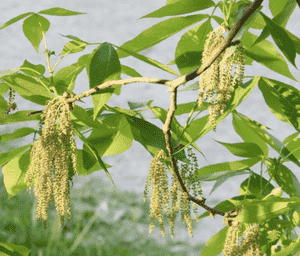
Red hickory flourishes most effectively when relocated in the peak of spring, ideally from the middle to the latter part of the season. Select a sun-drenched area featuring soil that drains efficiently. Verify that the chosen site can accommodate the tree's full-grown dimensions.
What Preparations are Needed Before Transplanting Red Hickory?
What is the Ideal Time for Transplanting Red Hickory?
The prime period for relocating red hickory is during the core of spring. This timing guarantees the soil is sufficiently warm to promote root development while avoiding summer's extreme temperatures. Moving red hickory in this balanced season allows it to establish a robust root system, enhancing its resilience throughout the year.
How Much Space Should You Leave Between Red Hickory Plants?
For proper development, ensure you position each red hickory 40-50 feet (12-15 meters) apart. This provides them with ample room to expand and prevents excessive competition for nutrients.
What is the Best Soil Mix for Red Hickory Transplanting?
Select soil that drains effectively for your red hickory. A loamy soil type is perfect. Before transplanting, incorporate a base fertilizer, rich in organic matter, to encourage healthy growth.
Where Should You Relocate Your Red Hickory?
Choose a spot that receives full sunlight, approximately 6-8 hours daily. Red hickory thrives in sunny locations, so avoid shaded areas to ensure vigorous growth.
What Equipments Should You Prepare Before Transplantation Red Hickory?
Gardening Gloves
To safeguard your hands while handling soil and the plant.
Shovel or Spade
To excavate around and lift the plant from its initial position.
Garden Trowel
Useful for smaller root systems or for precise digging tasks.
Pruning Shears
To trim any damaged or lifeless roots prior to transplanting.
Watering Can or Hose
To maintain soil moisture before and after the transplanting process.
Bucket or Tub
To temporarily hold the plant if necessary.
How Do You Remove Red Hickory from the Soil?
How Do You Remove Red Hickory from the Soil?
From Ground: First, irrigate the red hickory plant to moisten the soil. Next, dig a broad trench around the plant using a shovel or spade, ensuring the plant's root ball remains intact. Carefully work the spade beneath the root ball to lift the plant from its original spot.From Pot: Water the red hickory plant thoroughly. Gently tap the pot's sides to loosen the soil. Hold the plant at its base, tilt the pot, and carefully slide the plant out, ensuring the root ball stays intact.From Seedling Tray: Lightly water the seedlings. Use a garden trowel to loosen the soil surrounding the seedling. Gently lift the seedling, keeping the root ball and surrounding soil undisturbed.
Step-by-Step Guide for Transplanting Red Hickory
Site Preparation
Ensure the new planting location has good drainage and sufficient room for the plant to develop. Clear the area of weeds and debris.
Digging the Hole
Excavate a hole twice as wide and slightly deeper than the root ball of your red hickory plant.
Preparing the Plant
If the roots are densely packed, gently separate them to encourage outward growth. Trim any damaged roots with pruning shears.
Planting
Position the red hickory plant in the hole. The top of the root ball should be level with or slightly above the ground surface.
Filling the Hole
Backfill the hole with soil, gently tamping down to eliminate air pockets. Ensure the plant is upright and stable.
Watering
Water the plant thoroughly to help the soil settle around the roots.
How Do You Care For Red Hickory After Transplanting?
Watering
Keep the soil around the red hickory consistently moist, but not waterlogged, for the initial few weeks after transplanting to aid in establishing strong roots.
Mulching
Apply a layer of mulch around the base to help retain moisture and regulate soil temperature.
Pruning
Trim back any damaged or excessively long branches to reduce stress on the plant as it establishes in its new location.
Monitoring
Keep a close watch on your red hickory for indications of transplant shock, such as wilting or yellowing leaves. Adjust care as needed to ensure successful establishment.
Troubleshooting Common Issues with Red Hickory Transplantation.
When is the best time to transplant red hickory?
The optimal time to transplant red hickory is from mid-spring to late spring for ideal growth.
What is the ideal spacing for transplanting red hickory?
Ensure a distance of 40-50 feet (12-15 meters) between each plant for proper development.
How deep should I dig when transplanting red hickory?
Dig a hole 2-3 feet (60-90 cm) deep to comfortably accommodate the root system.
What soil conditions are ideal for red hickory?
Utilize well-drained, loamy soil with a pH between 6.0 and 7.5 for optimal outcomes.
How do I handle the roots of red hickory during transplantation?
Handle roots with care, keeping them moist and intact to prevent transplant shock.
What should I do if red hickory shows signs of transplant shock?
Water the plant deeply and apply mulch to help retain moisture and alleviate stress.
How much water does red hickory need after transplanting?
Water thoroughly, ensuring the soil remains consistently moist but not oversaturated.
Can transplanting red hickory be done in the fall?
Fall transplanting is not recommended; aim for mid to late spring for the best establishment.
How can I protect red hickory from pests post-transplantation?
Employ organic insecticides and regularly inspect for pests to maintain the plant's health.
Do I need to add fertilizer after transplanting red hickory?
Apply a balanced, slow-release fertilizer to support root development and growth.



