How to Transplant Atlas cedar?
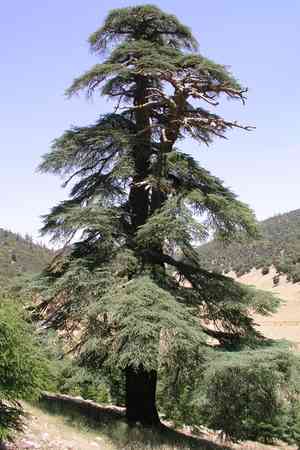
For atlas cedar, relocation is most successful when undertaken as fresh shoots emerge in the spring, facilitating strong root integration. Select a brightly lit location with soil that drains effectively; contemplate incorporating mycorrhizal fungi to bolster root expansion.
What Preparations are Needed Before Transplanting Atlas Cedar?
What is the Ideal Time for Transplanting Atlas Cedar?
The best time to move atlas cedar is during the early to mid-spring. This period offers mild temperatures and sufficient moisture, which are perfect for root development, without the intense summer heat that can stress atlas cedar. Giving atlas cedar this early start ensures strong growth and health, setting it up for a flourishing future.
How Much Space Should You Leave Between Atlas Cedar Plants?
When transplanting atlas cedar, ensure ample distance between each plant for healthy development. Aim for approximately 30-40 feet (9-12 meters) apart. This may seem like a significant gap, but it provides the necessary room for each plant to spread. Happy gardening!
What is the Best Soil Mix for Atlas Cedar Transplanting?
Prepare your ground with soil that drains well, ideally loamy or sandy, to suit atlas cedar. Before planting, mix a slow-release granular fertilizer into the hole to provide long-term nutrients. Consult your local nursery for optimal results!
Where Should You Relocate Your Atlas Cedar?
Atlas cedar thrives in sunny spots! Find a spacious area in your garden where it will receive full sunlight throughout the day. However, it also benefits from light shade during the hottest part of the day. Therefore, an open yet slightly shaded location is ideal.
What Equipments Should You Prepare Before Transplantation Atlas Cedar?
Garden Shovel
The primary tool needed to move your atlas cedar from its original spot to the new one; ensure it is sharp and robust enough to dig deeply without bending or breaking.
Gardening Gloves
To safeguard your hands while handling the atlas cedar and working with the soil.
Wheelbarrow
This will be useful for transporting soil and the plant, especially if the atlas cedar is large.
Watering Can
For watering the atlas cedar before and after its relocation, which is crucial for its survival.
Organic Compost
Although soil requirements were previously discussed, adding more compost will help the atlas cedar establish quickly.
Mulch
To help retain moisture and keep the roots cool during the transplant process.
How Do You Remove Atlas Cedar from the Soil?
How Do You Remove Atlas Cedar from the Soil?
From Ground: For atlas cedar growing in the ground, first, water the soil thoroughly. Using your garden shovel, dig a wide and deep circle around the plant, roughly 2 feet in radius, to keep the plant's root ball intact. Then, carefully dig beneath the root ball to lift it. It's wise to get assistance if the plant is large, as it can be heavy and reduces the risk of damaging the plant. From a Pot: If your atlas cedar is in a pot, water it well first so the soil and roots come out easily. Then, lay the pot on its side and gently pull out the atlas cedar by its base; the root ball should slide out. If it's stuck, tap the sides or bottom of the pot to loosen it. From a Seedling Tray: If the atlas cedar starts as a seedling in a tray, wait until it has at least 2 to 3 sets of true leaves. Gently separate the seedling and its surrounding soil from the tray without disturbing the roots.
Step-by-Step Guide for Transplanting Atlas Cedar
Hole Preparation
Dig a hole in the chosen location that is twice as wide and approximately the same depth as the atlas cedar's root ball. A wider hole allows the roots more space to spread and establish.
Placing the plant
Position the atlas cedar in the center of the hole. Ensure it stands upright and the top of the root ball is level with or slightly above the surrounding soil surface.
Backfilling
Refill the hole with the excavated soil and organic compost. Gently but firmly compact the soil around the base of the atlas cedar.
Watering
Water the atlas cedar thoroughly. Make sure the water is poured slowly so it is fully absorbed by the surrounding soil.
Mulching
A thick layer of mulch around the atlas cedar, leaving some space near the stem, will help retain moisture and keep the roots cool.
How Do You Care For Atlas Cedar After Transplanting?
Watering
Beyond the usual watering schedule, atlas cedar requires extra attention after transplanting. Keep the soil consistently moist (but not waterlogged) for the initial few weeks.
Weeding
Prevent weeds from growing in the area, as they compete with the atlas cedar for essential nutrients.
Protection
Shield the young atlas cedar from extreme weather conditions for the first few weeks. A shade cloth or plant cover can be used during very hot or cold periods.
General Care
Monitor the plant's health. Yellowing or drooping leaves could indicate transplant shock, which may necessitate additional care or corrective actions.
Troubleshooting Common Issues with Atlas Cedar Transplantation.
What is the best time to transplant atlas cedar?
The most favorable time to transplant atlas cedar is during S1-S2. This period offers an ideal window for the plant's root adaptation and growth.
How far apart should atlas cedar be planted?
The recommended spacing for atlas cedar is between 30-40 feet (9 to 12 meters). This ensures each plant has ample room to grow and flourish.
How much water does atlas cedar need after being transplanted?
Atlas cedar generally prefers to remain moist, but not waterlogged. A thorough watering immediately after transplanting is crucial, followed by regular watering based on weather conditions.
Do I need to prepare the ground before transplanting atlas cedar?
Yes, you do! Preparing a hole twice as wide and just as deep as the root ball of your atlas cedar will give it the best start in its new location.
How do I choose a suitable transplant site for atlas cedar?
Atlas cedar thrives in full sun and well-drained soil. Try to select a site that meets these conditions to give your atlas cedar its best chance of survival.
Is there a special technique for removing atlas cedar from its previous location?
Be gentle when extracting atlas cedar from its former spot. Dig a wide, shallow hole around the plant to minimize root damage and facilitate a smoother transplant process.
What is the best soil type for atlas cedar after transplanting?
Atlas cedar prefers well-draining, fertile soil. Amending your soil with organic compost before transplanting can help provide the necessary nutrients for a successful move.
Can I use a specific fertilizer when transplanting atlas cedar?
A slow-release, balanced fertilizer can greatly aid atlas cedar during the transplanting process. Apply it according to package directions and avoid over-fertilization.
Why are my transplanted atlas cedar needles turning brown?
Browning needles could be due to insufficient or excessive watering, transplant shock, or disease. Observing the plant in relation to environmental factors can help diagnose the issue.
How should I care for atlas cedar in the first week post-transplant?
Keep the soil moist but not waterlogged, protect atlas cedar from strong winds if possible, and ensure it receives ample sunlight. Give it a little extra care!



