How to Transplant Cedar of lebanon?
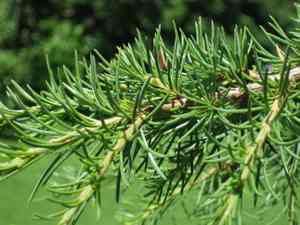
The optimal period for transplanting cedar of lebanon is during the spring, providing a mild environment conducive to root development. Select a location that receives ample sunlight and drains effectively to foster cedar of lebanon's expansion. A helpful suggestion: Allocate sufficient room for its impressive reach.
What Preparations are Needed Before Transplanting Cedar Of Lebanon?
What is the Ideal Time for Transplanting Cedar Of Lebanon?
The best time to move cedar of lebanon is during the spring months, as the moderate weather aids root development. Relocating cedar of lebanon at this point improves survival rates, since the gentle spring climate allows roots to adjust without the harsh conditions of summer or winter. By selecting this favorable period, you provide cedar of lebanon the best possible start in its new spot, encouraging strong growth and ensuring a smooth transition.
How Much Space Should You Leave Between Cedar Of Lebanon Plants?
Before you move your cedar of lebanon, mark out an area in your garden. Remember, cedar of lebanon requires ample room to grow, so the recommended spacing is approximately 20-30 feet (6-9 meters) from other plants or obstructions. This provides them sufficient space to flourish without competition.
What is the Best Soil Mix for Cedar Of Lebanon Transplanting?
Your cedar of lebanon will thrive in well-draining soil, ideally sandy, loamy, or clay types. Prior to transplanting, enrich the soil with a foundational fertilizer, such as compost or aged manure. This will supply cedar of lebanon with the necessary nutrients to establish itself.
Where Should You Relocate Your Cedar Of Lebanon?
Your cedar of lebanon flourishes in full sun or partial shade. Select a sunny location in your garden where it will receive 6-8 hours of sunlight daily. Avoid areas with excessive shade, as this can hinder your cedar of lebanon's growth.
What Equipments Should You Prepare Before Transplantation Cedar Of Lebanon?
Shovel or Spade
To excavate the hole for moving the cedar of lebanon and extract it from its original position.
Gardening Gloves
To safeguard your hands while handling the plant and soil.
Pruning shears
To trim any damaged roots or branches prior to the relocation.
Watering Can
To hydrate the cedar of lebanon before and after the move.
Wheelbarrow
To transport the cedar of lebanon from its initial spot to the new site.
Stake and Tie
To support the cedar of lebanon and keep it upright post-transplant.
How Do You Remove Cedar Of Lebanon from the Soil?
How Do You Remove Cedar Of Lebanon from the Soil?
From Ground: Initially, water the cedar of lebanon so the soil around its roots is damp, making removal easier. Then, dig a circle around the plant, ensuring enough space to encompass all its roots. Avoid root damage, and gradually work your shovel beneath the root ball. Once done, carefully lift the plant.From Pot: Water the plant thoroughly. Turn the pot sideways, hold the cedar of lebanon near its base, and gently pull and twist the plant out. If it's stuck, you may need to tap the pot's rim on a hard surface to loosen the root ball.From Seedling Tray: Water the cedar of lebanon before attempting removal. Using a dibble or similar blunt tool, gently lift the plant by going in from the sides, ensuring to lift the entire root ball and minimizing contact with the stem or roots.
Step-by-Step Guide for Transplanting Cedar Of Lebanon
Dig Hole
For the cedar of lebanon, prepare a hole that is twice the width of the root ball and the same depth as its previous growing position. This encourages root expansion.
Prepare Plant
Inspect the cedar of lebanon and gently trim any damaged or excessively long circling roots.
Place Plant
Position the cedar of lebanon in the center of the hole, ensuring it stands upright. The point where the stem meets the roots should be level with or slightly above the soil surface.
Backfill Hole
Refill the hole with soil, tamping it down as you go to eliminate any air pockets.
Water Thoroughly
Water the cedar of lebanon generously immediately after transplanting, ensuring the soil settles around the root ball.
Stake If Needed
If the cedar of lebanon is tall or exposed to wind, provide staking for support.
How Do You Care For Cedar Of Lebanon After Transplanting?
Watering
Ensure the cedar of lebanon is watered consistently and deeply, promoting root establishment and growth.
Pruning
Avoid significant pruning immediately after transplanting. This could stress the tree. Once established, annual pruning will help maintain the tree's shape and vitality.
Mulching
Apply mulch around the base of the cedar of lebanon to retain soil moisture and control weed growth. Make sure the mulch does not touch the stem, as this could lead to rot.
Observation
Closely monitor the cedar of lebanon in the subsequent weeks. Look for any signs of stress such as wilting, yellowing leaves, or stunted development. These may indicate a need for additional care or potential issues with the transplanting process.
Troubleshooting Common Issues with Cedar Of Lebanon Transplantation.
What's the optimal season to transplant cedar of lebanon?
The ideal period to transplant cedar of lebanon spans from early spring to late summer (S1-S3). The warmer conditions assist cedar of lebanon in settling smoothly into its new location.
What's the advisable distance between cedar of lebanon when transplanting?
A spacing of 20-30 feet (approximately 6-9 meters) between each cedar of lebanon would allow each to grow unhindered and beautifully, granting them ample sun and nutrient access.
What's the preferred soil condition for transplanting cedar of lebanon?
Cedar of lebanon thrives in moist but well-drained soil. Ensure the area does not tend to flood or accumulate water after rain, as this can negatively impact the plant's health.
How deep should the planting hole be for cedar of lebanon?
When transplanting cedar of lebanon, the hole should be roughly twice as wide and equally as deep as the root ball. This provides roots with space to expand in their new environment.
How should I prepare the roots of cedar of lebanon before transplanting?
Ensure the root ball of cedar of lebanon is thoroughly hydrated before transplanting and remove any broken or damaged roots to encourage new root growth in the soil.
How should I water cedar of lebanon after transplanting?
Water cedar of lebanon extensively immediately after transplanting, then continue with regular watering to maintain a consistently moist environment, but avoid waterlogging as it can be detrimental.
Do I need to stake cedar of lebanon after transplanting?
While cedar of lebanon is adapting to its new location, staking may be beneficial. However, remember to remove the stakes after the first year to allow it to sway and strengthen against the wind.
Should I fertilize cedar of lebanon after transplanting?
A mild, slow-release fertilizer can support cedar of lebanon's growth after transplanting. However, it's usually unnecessary if your soil is nutrient-rich. Excessive fertilization may harm the plant.
What if the transplanted cedar of lebanon's foliage starts to brown?
A slight browning is normal due to transplant shock. Maintain your watering and care routine. If the situation worsens, consult a local horticulturist.
How do I protect my transplanted cedar of lebanon in winter?
Cedar of lebanon is quite resilient, so it typically doesn't require winter protection. But if you experience extremely harsh winters, consider wrapping it in burlap or using a windbreak.



