How to Transplant Common hackberry?
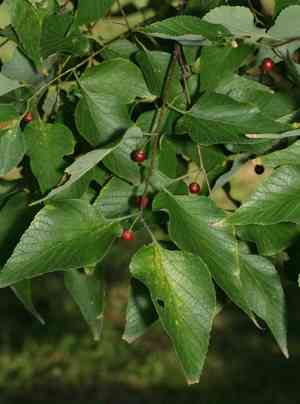
The ideal period for relocating common hackberry spans from the end of spring to the middle of summer, since elevated temperatures and extended daylight foster robust root development. Select a site featuring soil that drains effectively and guarantee it receives adequate sunlight. Should it be necessary, supply extra irrigation following the transplant for peak development.
What Preparations are Needed Before Transplanting Common Hackberry?
What is the Ideal Time for Transplanting Common Hackberry?
The optimal period for relocating common hackberry spans from late spring through mid-summer. This timeframe promotes successful root establishment, robust development, and a flourishing specimen. Undertake this move to be rewarded with a thriving common hackberry in your garden!
How Much Space Should You Leave Between Common Hackberry Plants?
When transplanting common hackberry, it's best to provide each plant with ample room. Aim for a separation of approximately 40-60 feet (12-18 meters) to foster healthy growth and prevent overcrowding.
What is the Best Soil Mix for Common Hackberry Transplanting?
Prior to transplanting common hackberry, prepare the soil by incorporating well-draining, loamy earth, enriched with organic matter. Add a slow-release, balanced fertilizer (such as 10-10-10) to provide a solid nutritional base for your plant.
Where Should You Relocate Your Common Hackberry?
To ensure your common hackberry thrives, select a site with full sun to partial shade. Ideally, the plant should receive a minimum of 4-6 hours of direct sunlight daily. This will aid in optimal growth and vitality.
What Equipments Should You Prepare Before Transplantation Common Hackberry?
Gardening Gloves
To safeguard your hands while handling soil and the plant.
Shovel or Spade
For excavating a hole at the new planting site, and for extracting the common hackberry plant from its original spot.
Pruner or Garden Shears
To trim any damaged roots or branches from the common hackberry plant before relocation.
Gardening Trowel
For more precise and accurate digging, especially when removing the plant from a container or seedling tray.
Hand Rake
To loosen the soil in the new planting area.
Watering Can or Hose
To hydrate the common hackberry plant both before and after its transfer.
Mulch
To cover the soil surface after transplanting to help retain moisture and inhibit weed growth.
How Do You Remove Common Hackberry from the Soil?
How Do You Remove Common Hackberry from the Soil?
- From Ground:First, water the common hackberry plant to moisten the soil. Next, dig a wide trench around the plant using a shovel or spade, ensuring the plant's root ball remains intact. Carefully work the spade beneath the root ball to lift the plant from its initial location.- From Pot:Water the common hackberry plant and let it sit for a few minutes. Gently tilt the pot onto its side, and carefully slide the plant out, striving to keep the root ball as undisturbed as possible. Avoid pulling the plant by the stem, as this can harm the roots.- From Seedling Tray:If the common hackberry plant is small and in a seedling tray, use a gardening trowel or small tool to gently lift the plant out of the tray while preserving as much of the root system as feasible.
Step-by-Step Guide for Transplanting Common Hackberry
Digging a Hole
Excavate a hole in the prepared location that is slightly deeper and wider than the common hackberry plant's root ball.
Placing the Plant
Gently position the common hackberry plant in the hole, ensuring the top of the root ball is slightly above ground level. This helps prevent water accumulation around the stem's base.
Refilling
Carefully backfill the hole with the excavated soil, making sure there are no air pockets surrounding the roots.
Watering
Thoroughly water the common hackberry plant to settle the soil and promote good root-to-soil contact.
Mulching
Apply a 2-3 inch layer of mulch around the base of the common hackberry plant, leaving a small gap between the mulch and the stem to prevent rot.
How Do You Care For Common Hackberry After Transplanting?
Watering Schedule
Water the common hackberry consistently during the initial weeks post-transplant to aid in developing strong roots. Gradually decrease frequency as the plant becomes more established.
Pruning
Regularly inspect the common hackberry plant for damaged or diseased branches, and use a pruner to remove them. This helps direct energy towards healthy growth and maintains the plant's overall vitality.
Monitoring
Keep a close watch on the common hackberry plant for any indications of stress, such as wilting or yellowing leaves. Address any issues promptly to ensure a successful transplant.
Troubleshooting Common Issues with Common Hackberry Transplantation.
When is the best time to transplant common hackberry?
The optimal period for transplanting common hackberry is from late spring to midsummer, ensuring ideal growth conditions.
What is the perfect spacing for transplanting common hackberry?
To ensure proper growth, maintain a distance of 40-60 feet (12-18 meters) between common hackberry plants.
How deep should the hole be for transplanting common hackberry?
Dig a hole that is twice the width and the same depth as the common hackberry plant's root ball.
What type of soil should be used for transplanting common hackberry?
Common hackberry thrives in well-draining, loamy soil with a neutral to slightly alkaline pH level.
How much water is needed after transplanting common hackberry?
Immediately after transplanting, thoroughly water common hackberry. Afterward, water regularly, keeping the soil consistently moist.
How can I ensure proper root development for my common hackberry?
Gently loosen the root ball before transplanting, and use mycorrhizal fungi to stimulate root growth.
What sun exposure is ideal for common hackberry after transplanting?
Common hackberry prefers full to partial sun exposure. Ensure the plant receives at least 4-6 hours of sunlight daily.
Should I use fertilizer when transplanting common hackberry?
After transplanting, apply organic compost or a slow-release balanced fertilizer to promote healthy development.
How can I protect common hackberry from possible pests or diseases?
Keep the area around common hackberry clean, remove any infected leaves, and use natural or chemical treatments if necessary.
What kind of support might common hackberry need during its initial growth?
Use stakes or supports to help common hackberry maintain an upright posture and shield it from strong winds.



