How to Transplant Chinese hackberry?
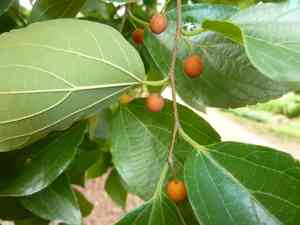
The optimal period for transplanting chinese hackberry spans from the latter part of spring through early summer. This schedule capitalizes on chinese hackberry's vigorous growth phase following its dormant period. Select locations where chinese hackberry will receive ample sunlight or dappled shade, in soil that drains effectively. Should it be required, confirm the root mass remains undisturbed throughout the relocation to facilitate a smooth adjustment.
Essential Preparations Before Relocating Chinese Hackberry?
Optimal Period for Moving Chinese Hackberry?
The most favorable time to relocate chinese hackberry is during the mild warmth of mid to late spring or early summer. This timing allows chinese hackberry's root system to become established prior to the rigors of winter. Transplanting in this season encourages vigorous development, leveraging the extended daylight and increased solar exposure. By moving chinese hackberry now, you provide it with the best opportunity to flourish in its new spot, benefiting from the ideal growing conditions of the season.
Required Spacing Between Chinese Hackberry Plants?
Ensure ample room for your chinese hackberry! Ideally, these plants should be positioned approximately 20-30 feet (about 6-9 meters) apart. This guarantees each individual has sufficient area to grow and thrive, resembling its own miniature woodland.
Best Soil Mixture for Chinese Hackberry Relocation?
Preparation is crucial for your chinese hackberry! Enhance your soil with a well-draining, loamy type. Incorporate compost or aged manure as a foundational fertilizer to supply nutrients for your chinese hackberry's roots. Water the soil thoroughly after its preparation.
Choosing a New Site for Your Chinese Hackberry?
Sunlight is beneficial for your chinese hackberry! Select a location that receives full to partial sunlight throughout the day. This will provide your chinese hackberry with the illumination necessary for optimal photosynthesis. Choose wisely to maintain your chinese hackberry's health and happiness!
Equipment Needed Before Transplanting Chinese Hackberry?
Gardening Gloves
To safeguard your hands from dirt and potential thorns or sharp branches.
Spade or Shovel
For excavating a hole in your chosen spot and easily extracting chinese hackberry from its original position.
Trowel
For precise digging or to gently loosen soil around the roots if required.
Gardening fork
To assist in loosening the soil around the plant at its initial site for easier removal, and to help blend in compost at the new location.
Bucket or Wheelbarrow
For transporting the plant and any necessary soil or compost.
Watering Can or Hose
To gently hydrate the plant before and after its relocation.
Method for Extracting Chinese Hackberry from the Ground?
Method for Extracting Chinese Hackberry from the Ground?
From Ground: First, ensure you thoroughly water the chinese hackberry plant to moisten the soil surrounding its roots. This facilitates an easier and less stressful removal process for the plant. Next, carefully dig around the root ball with a spade or shovel, being mindful to avoid direct contact with the roots. Exercise extra caution to prevent cutting the roots during this process. Once the soil is sufficiently loosened, gently lift the plant from the ground.From Pot: Begin by thoroughly watering the chinese hackberry plant. Then, lay the pot on its side and gently tap or squeeze it to dislodge the plant. Hold the plant at its base near the soil line and carefully pull it out of the pot.From Seedling Tray: Lightly water the chinese hackberry seedlings. Use a spoon or small implement to dig around the perimeter of the soil block to carefully remove the seedling with its roots and soil intact.
Step-by-Step Guide for Relocating Chinese Hackberry
Preparation
Ensure the hole you've dug for the chinese hackberry plant is twice the width and the same depth as its root ball.
Planting
Position chinese hackberry in the hole, making sure the top of its root ball is level with the surrounding ground. Avoid planting chinese hackberry too deeply, as this can suffocate the plant. Backfill the hole with original soil or a mixture of soil and compost, gently firming it as you proceed.
Watering
After transplanting, thoroughly water the chinese hackberry, taking care not to oversaturate the area. Replenish the soil by adding more after watering if necessary.
Staking (if required)
If chinese hackberry is a large specimen, it might need staking. Insert a stake into the ground and gently secure the plant to it for support.
Post-Transplant Care for Chinese Hackberry?
Pruning
Trim any dead or damaged leaves or branches to help the chinese hackberry plant direct its energy towards root establishment.
Watering
Consistent hydration during the initial weeks after relocating chinese hackberry is vital. Maintain moist, but not waterlogged, soil.
Monitoring
Observe the chinese hackberry, checking its foliage and growth. If you notice any wilting or yellowing leaves, this could indicate stress or shock. If this persists, consult a local nursery for potential remedies.
Patience
Plants may require time to settle. Do not be alarmed if you don't observe immediate growth; chinese hackberry demands patience.
Resolving Common Issues with Chinese Hackberry Transplantation.
When is the best time to move chinese hackberry?
The optimal period to transplant chinese hackberry is from late spring to early autumn. This allows the plant sufficient time to establish roots before the onset of winter cold.
What is the recommended distance between each chinese hackberry after relocation?
For chinese hackberry to achieve its full growth potential, maintain an ideal spacing of approximately 20-30 feet (or 6-9 meters). This ensures each plant receives adequate room to flourish.
What preparations are essential before transplanting chinese hackberry?
Enrich the planting site with organic compost and cultivate the soil to about 10 inches (25 cm) deep. This aids in faster root establishment in the new location.
Can I transplant chinese hackberry into containers?
Certainly! Ensure the container is sufficiently large and provides good drainage. Remember, chinese hackberry will eventually grow quite large, so plan accordingly.
What if the leaves of my relocated chinese hackberry begin to yellow?
This might signal overwatering or a nutrient deficiency. Reduce watering and consider applying a slow-release fertilizer specifically formulated for trees.
How often should I water chinese hackberry after transplanting?
The newly transplanted chinese hackberry requires regular watering during the first few weeks. You can decrease this frequency once the plant has settled into its new location.
How deep should I plant chinese hackberry during relocation?
The transplant hole should be twice as wide and as deep as the root ball. Position the chinese hackberry so the top of the root ball is level with the ground surface.
How should I handle the root ball during chinese hackberry transplantation?
Be gentle and avoid damaging the root ball. If it's encased in burlap, partially untie it before placing it in the hole. Keep the root ball moist both before and after transplanting.
Is it necessary to stake a newly transplanted chinese hackberry?
Staking is generally not required. However, if your area experiences strong winds, temporary staking could offer additional support and stability to your new plant.
Should I prune chinese hackberry before or after transplanting?
Pruning before transplanting can help lessen shock and stimulate new growth. However, avoid extensive pruning immediately after transplanting to prevent further stress to the plant.



