How to Transplant Eastern redbud?
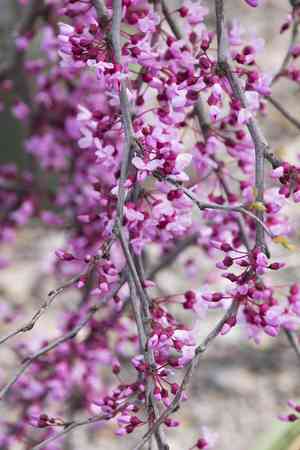
For relocating eastern redbud, the most favorable period is the mild weather of late spring through midsummer, as the specimen thrives in optimal environments. Replant eastern redbud in a site with good drainage, receiving full sun to partial shade. Ensure regular watering and consistent hydration for robust development.
What Preparations are Needed Before Transplanting Eastern Redbud?
What is the Ideal Time for Transplanting Eastern Redbud?
The optimal period for relocating eastern redbud spans from late spring to mid-summer, as elevated temperatures foster robust root development. Moving eastern redbud during this timeframe minimizes stress, enhances establishment, and promotes a flourishing garden.
How Much Space Should You Leave Between Eastern Redbud Plants?
For the best development of eastern redbud, allow ample room for their branches to spread. Position them approximately 20-30 feet (6-9 meters) apart when transplanting.
What is the Best Soil Mix for Eastern Redbud Transplanting?
Prepare the ground with a well-draining blend of loam and sand. Incorporate organic compost into the soil to provide a nutrient-rich foundation for eastern redbud to thrive.
Where Should You Relocate Your Eastern Redbud?
Select a location where eastern redbud will receive full sun to partial shade, ensuring exposure to at least 4-6 hours of daily sunlight. This will aid in their strong and healthy growth.
What Equipments Should You Prepare Before Transplantation Eastern Redbud?
Gardening Gloves
To safeguard your hands while handling soil and plants.
Shovel or Spade
For excavating the planting hole and extracting the eastern redbud plant from its initial spot.
Pruning Shears
To trim any dead or damaged roots or branches.
Watering Can or Hose
To irrigate the eastern redbud during and after relocation.
Mulch
To assist in retaining soil moisture and regulating soil temperature post-transplant.
Slow-release Fertilizer (Optional)
To stimulate root growth and overall vitality of the eastern redbud plant.
How Do You Remove Eastern Redbud from the Soil?
How Do You Remove Eastern Redbud from the Soil?
- From Ground:First, water the eastern redbud plant to moisten the soil. Then, dig a wide trench around the plant using a shovel or spade, ensuring the plant's root ball remains intact. Carefully work the spade under the root ball to lift the plant from its original location.- From Pot:Water the eastern redbud plant to facilitate removal. Gently lay the pot on its side and slide the plant out, taking care not to harm the root ball. Loosen the roots slightly if they are pot-bound.- From Seedling Tray:Select the healthiest eastern redbud seedling and gently hold it by its leaves, not the stem. Use a small tool or your fingers to carefully tease the seedling out of the tray without breaking the roots.
Step-by-Step Guide for Transplanting Eastern Redbud
Site Selection
Choose a spot with adequate sunlight and room for your eastern redbud plant to reach its mature size.
Prepare Hole
Dig a hole twice the width of the root ball and roughly the same depth. This will provide ample space for the roots to spread.
Amend Soil (if needed)
If your soil is poor or compacted, mix in organic matter or compost with the native soil removed from the hole.
Prepare Plant
Trim any dead or damaged roots or branches with pruning shears. Untangle and spread the roots as necessary.
Planting
Lower the eastern redbud plant into the hole, ensuring the top of the root ball is level with the ground. Backfill the hole with the amended soil, gently compacting it around the root ball to eliminate air pockets.
Water
Water the eastern redbud plant thoroughly to help settle the soil and establish root-to-soil contact. A slow, deep watering is most effective.
Mulch
Apply a 2-3 inch layer of organic mulch around the base of the plant, keeping it a few inches away from the trunk to prevent rot and pests.
Fertilize (Optional)
Apply a slow-release, balanced fertilizer around the plant's drip line, following the package instructions for application rate.
How Do You Care For Eastern Redbud After Transplanting?
Watering
Keep the soil around the eastern redbud consistently moist, but not waterlogged, for the initial weeks after transplanting to aid in establishing strong roots. Adjust watering frequency based on rainfall and soil conditions.
Mulch Maintenance
Replenish mulch as needed to maintain its 5 cm toUNIT_CONVERT_START_3 inches_UNIT_CONVERT_STARTdepth for optimal moisture retention and temperature regulation.
Pruning
Prune the eastern redbud plant as needed to maintain its form and remove dead or damaged branches, typically in late winter or early spring.
Fertilizing
Apply a slow-release, balanced fertilizer around the plant's drip line every 1-2 years, following the package instructions for application rate.
Troubleshooting Common Issues with Eastern Redbud Transplantation.
When is the best time to transplant eastern redbud?
Relocate eastern redbud from late spring to mid-summer for optimal outcomes.
What's the ideal spacing between eastern redbud plants?
For optimal growth, space eastern redbud plants 20-30 feet (6-9 meters) apart.
How deep should I dig to transplant eastern redbud?
Excavate a hole 2 times wider and as deep as the root ball to transplant eastern redbud.
What type of soil is best for transplanting eastern redbud?
Eastern redbud thrives in well-drained, fertile soil with a pH between 6.0 and 8.0.
How much water does eastern redbud need after transplanting?
After transplanting eastern redbud, maintain consistently moist soil but avoid over-watering.
What is the recommended mulch depth for eastern redbud transplants?
Apply 2-4 inches (5-10 cm) of mulch around the base of the transplant to conserve moisture.
How can I prevent transplant shock in eastern redbud?
Minimize transplant shock by gradually acclimating eastern redbud to outdoor conditions before transplanting.
What sun exposure does eastern redbud need after transplanting?
Provide eastern redbud with full sunlight to partial shade for optimal growth after transplanting.
Should I remove lower branches before transplanting eastern redbud?
Yes, prune lower branches to encourage upright growth and provide support after transplanting.
How can I protect eastern redbud from pests and diseases after transplanting?
Regularly inspect for signs of pests or diseases, and maintain good cultural practices to keep eastern redbud healthy.



