How to Transplant Partridge pea?
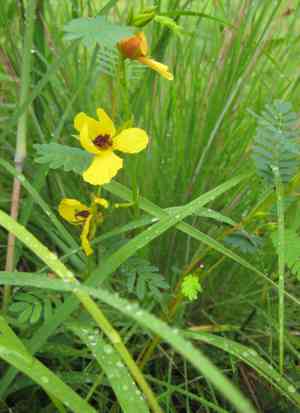
For partridge pea, the ideal period for transplanting is from mid to late spring, leveraging its vigorous growth phase. Choose a location bathed in sunlight with soil that drains effectively to foster healthy establishment. Exercising care throughout the transfer process contributes to a smooth adaptation.
What Preparations are Needed Before Transplanting Partridge Pea?
What is the Ideal Time for Transplanting Partridge Pea?
The best time to move partridge pea is during the spring, when temperatures rise and frost is no longer a threat. This timing allows partridge pea to develop strong roots before summer's heat, maximizing its growth. Mild late spring temperatures are perfect, giving partridge pea enough warmth without the stress of intense summer heat. Transplanting partridge pea in spring aligns with its natural growth cycle and provides a full season for it to adapt and grow.
How Much Space Should You Leave Between Partridge Pea Plants?
When relocating partridge pea, aim to space plants approximately 2-3 feet (60-90 cm) apart. This generous spacing provides each plant ample room to expand and flourish. As a beginner, don't worry about precise measurements; estimation is perfectly acceptable.
What is the Best Soil Mix for Partridge Pea Transplanting?
Before moving partridge pea, prepare the soil. Utilize a well-draining soil blend, enriched with organic matter like compost or aged manure. Remember to incorporate a balanced base fertilizer. This will supply your plants with the essential nutrients for successful growth.
Where Should You Relocate Your Partridge Pea?
For optimal development, transplant your partridge pea to a location where it receives full sun. This means a spot that gets sunlight for most of the day. Even as a beginner, remember that the correct placement significantly impacts your plant's well-being!
What Equipments Should You Prepare Before Transplantation Partridge Pea?
Gardening Gloves
To protect your hands while performing tasks.
Trowel
For digging, especially when extracting partridge pea from its original container or the ground.
Watering Can
To provide moisture to the plant both before and after relocation.
Spade
Useful for larger plants and creating bigger holes in the soil.
Pruning Shears
To trim and shape the partridge pea plant if needed.
Garden Fork
Helpful for loosening soil around the plant when removing it from the ground.
How Do You Remove Partridge Pea from the Soil?
How Do You Remove Partridge Pea from the Soil?
From Ground: Start by watering the partridge pea plant to soften the surrounding soil. Next, use a shovel or spade to dig around the plant. Ensure you dig wide enough to avoid damaging the roots. Once this trench is made, slide the spade beneath the root ball and gently lift the plant out. From Pot: If in a pot, first, moisten the soil by watering the plant. Then, tilt the pot sideways while carefully pulling on the base of the partridge pea plant. It should slide out easily. If not, rotate the pot, applying gentle pressure to loosen the root ball. From Seedling Tray: Seedlings are delicate. Water the tray first, then carefully scoop out the partridge pea seedling with a spoon or small trowel, being sure not to harm the roots.
Step-by-Step Guide for Transplanting Partridge Pea
Hole Preparation
Dig a hole in your chosen spot that is as deep as the root ball and twice its width.
Positioning
Place the partridge pea in the hole so the top of the root ball is level with the ground surface. Ensure it stands upright.
Backfilling
Refill the hole, firming the soil to eliminate any remaining air pockets.
Watering
Water the plant slowly and thoroughly immediately after planting.
How Do You Care For Partridge Pea After Transplanting?
Regular Maintenance
Check your partridge pea every few days to see if it requires watering. It's better to water deeply and less often than lightly and frequently.
Pruning
Trim your partridge pea plant as needed to maintain its form and remove any dead or dying foliage.
Pest Control
Monitor for pests or diseases. If you observe anything unusual, consult a local nursery or extension service.
Seasonal Care
Depending on the severity of your winters, you might need to provide some winter protection for your partridge pea. This could involve adding mulch or bringing potted plants indoors.
Patience
Gardening is a process that demands patience, especially during transplantation. It may take some time for your partridge pea to establish and begin growing, but with proper care, it will flourish.
Troubleshooting Common Issues with Partridge Pea Transplantation.
When is the perfect time to transplant partridge pea?
The most opportune times to transplant partridge pea are late spring and early summer (S2-S3). These periods offer optimal conditions for the plant's development.
What should be the proper spacing when transplanting partridge pea?
When transplanting partridge pea, ensure each plant has approximately 2-3 feet (about 60-90 cm) of space. This fosters a healthier growth environment.
What kind of soil is suitable for partridge pea transplantation?
Partridge pea thrives in well-drained soil. Enrich your soil with organic matter and ensure it's properly loosened to enhance root growth.
How deep should I plant partridge pea during transplanting?
The transplantation hole for partridge pea should be twice the width of the root ball, but no deeper than the root ball. This promotes root development.
Can partridge pea handle direct sunlight after being transplanted?
Partridge pea can tolerate full sunlight. However, during the initial transplanting phase, provide some shade to reduce potential shock.
How often should I water partridge pea after transplanting?
Water partridge pea immediately after transplanting, then consistently keep the soil moderately moist. Avoid waterlogging as it can lead to root rot.
What's the ideal temperature for transplanting partridge pea?
Partridge pea prefers warm climates for transplanting. Aim for temperatures between 60 to 75°F (around 15-24°C).
Should I fertilize partridge pea after transplanting?
Partridge pea can produce its own nutrients by fixing nitrogen, so it doesn't require additional fertilizer. Be careful not to over-nourish, as it could be detrimental.
Do I need to prune partridge pea after transplanting?
Minimal to no pruning is necessary for partridge pea. Allow it to grow naturally after transplanting, but remove any dead or diseased parts if present.
Can partridge pea handle transplant shock? How can I mitigate this?
Like any plant, partridge pea may experience transplant shock. To lessen this, keep the root ball undisturbed during transplantation, water regularly, and provide ample shade initially.



