How to Transplant European fan palm?
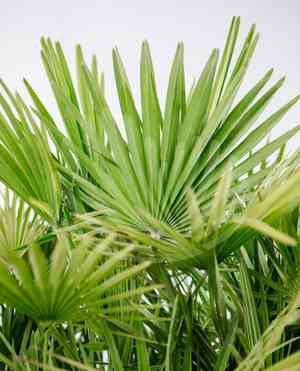
To achieve the best development, relocate european fan palm in the ideal window of early to mid-spring. This timing enables the specimen to properly settle into its new spot, which ought to feature permeable soil and abundant solar exposure. Be sure to manage european fan palm gently to prevent harm to its roots and guarantee a smooth acclimation.
Essential Preparations Before Relocating European Fan Palm?
Optimal Period for European Fan Palm Relocation?
Move your european fan palm during early to mid-spring. This period supports its development as the soil warms, aiding root establishment. Timely transplantation during this window significantly benefits your european fan palm's vitality and appearance.
Recommended Spacing Between European Fan Palm Plants?
To allow ample room for your european fan palm to flourish, aim to position them approximately 6-10 ft (1.8-3 m) apart. This spacing ensures sufficient area for full development and a robust root system.
Ideal Soil Blend for European Fan Palm Relocation?
For your european fan palm's soil, select a well-draining mixture containing sand, and incorporate some organic compost or aged manure. This combination will create a fertile base and promote healthy growth.
Optimal Location for European Fan Palm Relocation?
For best outcomes, transplant your european fan palm to a spot receiving full sun or partial shade. Ideally, choose an area that gets at least 4-6 hours of sunlight daily. This will help your plant thrive and grow vigorously!
Necessary Equipment for European Fan Palm Transplantation?
Gardening Gloves
To safeguard your hands while handling soil and the plant.
Shovel or Spade
For excavating the plant from its original spot and digging a new hole at the transplant site.
Pruner
To trim any damaged roots or foliage prior to transplantation.
Wheelbarrow or Bucket
To move the european fan palm plant and soil between locations.
Trowel
For precise digging when preparing the plant's new home or backfilling the hole after placement.
Watering Can or Hose
To hydrate the plant before and after its relocation.
Mulch
To help maintain soil moisture levels after the european fan palm plant has been transplanted.
Method for Extracting European Fan Palm from Soil?
Method for Extracting European Fan Palm from Soil?
From Ground: First, moisten the european fan palm plant's soil. Then, use a shovel or spade to dig a wide trench around the plant, ensuring the root ball remains intact. Carefully work the spade beneath the root ball to lift the plant from its initial position.From Pot: Water the potted european fan palm plant to moisten the soil, then gently remove the plant by firmly grasping its base near the soil line and tapping the pot to release it. Avoid pulling on the trunk or leaves, as this could harm the plant.From Seedling Tray: Water the european fan palm seedlings before moving them. Use a small trowel or spoon to scoop under the seedling and its root ball, being careful not to disturb nearby seedlings. Gently lift the seedling from the tray.
Step-by-Step Guide for European Fan Palm Transplantation
Plant Preparation
Trim any damaged roots or foliage on the european fan palm plant using a pruner before its relocation.
Hole Excavation
Dig a hole at the new site, approximately twice the width and the same depth as the root ball or plant container.
Root Ball Examination
Inspect the european fan palm plant's root ball for any circling roots and gently untangle them, if feasible, to prevent root constriction.
Positioning
Place the european fan palm plant in the center of the hole, ensuring the top of the root ball is level with the surrounding ground.
Backfilling
Gently refill the hole with soil, firming it around the root ball to eliminate any air pockets.
Watering
Thoroughly water the plant immediately after transplanting to help the soil settle and provide necessary moisture for establishment.
Mulching
Apply a layer of mulch around the plant's base to help conserve moisture and regulate soil temperature.
Post-Transplant Care for European Fan Palm?
Watering Regimen
Maintain a consistent watering schedule for the initial weeks post-transplant to help the european fan palm develop strong roots. Regularly check soil moisture to prevent over or under-watering.
Pruning
Trim any damaged or dead branches or leaves as the plant grows to maintain its overall health and encourage new development.
Pest Management
Monitor for pests and address them promptly, following specific treatment recommendations for european fan palm plants.
Frost Protection
If transplanting occurs during cold weather or near potential frost, provide protection to the newly-moved european fan palm plant, such as using frost blankets or bringing potted plants indoors when temperatures drop.
Resolving Common European Fan Palm Transplantation Issues.
When is the best time to move european fan palm?
Early to mid-spring is ideal for relocating european fan palm. This period allows your plant to adapt best to its new environment.
What is the perfect spacing for european fan palm when transplanting?
Ensure a minimum of 6-10 feet (1.8-3.0 meters) between each european fan palm. This spacing promotes good air circulation and healthy growth.
How should I prepare my garden soil before moving european fan palm?
The soil must drain well. If not, amend it with coarse sand or fine gravel. European fan palm prefers sandy or loamy soil with a slightly acidic to neutral pH.
Which planter type is best when transplanting european fan palm?
A large, robust planter capable of supporting european fan palm's vigorous growth is optimal. Also, ensure it has ample drainage holes at the bottom.
How much sunlight should european fan palm receive after transplanting?
European fan palm thrives in full sun to partial shade. Provide at least 6 hours of direct sunlight daily for optimal growth post-transplant.
How often should I water european fan palm after transplant?
Allow the soil to completely dry between waterings. European fan palm is drought-tolerant, and excessive moisture can harm its roots.
Should I fertilize european fan palm after transplanting? If so, what to use?
Fertilize european fan palm with a slow-release, palm-specific fertilizer one month after transplanting to encourage new growth. Avoid immediate post-transplant feeding.
What problems should I watch for after moving european fan palm?
Look for signs of root rot or yellowing leaves, which may indicate overwatering. Also, be vigilant for pests like spider mites and scale insects.
What to do if european fan palm appears stressed after relocation?
Ensure proper watering, lighting, and feeding. If issues persist, consult a specialized garden center or a local extension service for assistance.
Can I transplant european fan palm indoors?
Yes, european fan palm can be cultivated indoors. Provide ample sunlight and maintain indoor temperatures above 50°F (10°C). Ensure good air circulation and a proper watering schedule.



