How to Transplant Northern sea oats?
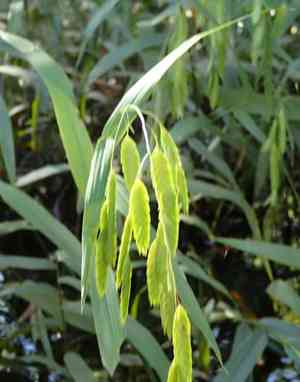
The optimal period for relocating northern sea oats spans from early to late spring or from late autumn to late winter. This timing enables the plant to develop a robust root system in a cool, damp setting. Preferably, select a spot offering shade and soil that drains effectively. Carefully separate the roots during transplantation to achieve superior outcomes.
What Preparations are Needed Before Transplanting Northern Sea Oats?
What is the Ideal Time for Transplanting Northern Sea Oats?
The best period to move northern sea oats is from early to late spring or late autumn to late winter. This timing is perfect because the milder temperatures help the plant establish strong roots without the stress of extreme weather changes. Transplanting northern sea oats during these seasons allows it to absorb nutrients more effectively, enhancing its growth and overall health.
How Much Space Should You Leave Between Northern Sea Oats Plants?
When relocating northern sea oats, ensure they are spaced approximately 12-18 inches (30-45 cm) apart. This provides ample room for them to grow and spread without becoming overcrowded.
What is the Best Soil Mix for Northern Sea Oats Transplanting?
For northern sea oats, it's crucial to prepare the soil with well-draining, loamy or sandy soil that has a slightly acidic to neutral pH. Incorporate some organic compost or a slow-release granular fertilizer to provide a nutrient-rich foundation for the plant.
Where Should You Relocate Your Northern Sea Oats?
When selecting a new spot for northern sea oats, choose a location that receives partial to full sun (4-6 hours of direct sunlight daily). This will supply them with the optimal amount of light for healthy and vigorous growth.
What Equipments Should You Prepare Before Transplantation Northern Sea Oats?
Gardening Gloves
To safeguard your hands while handling soil and the northern sea oats plant.
Shovel or Spade
To excavate holes in the ground and carefully extract the plant.
Pruning Shears
To trim any damaged or excess foliage prior to transplanting.
Watering Can or Hose
To gently hydrate the plant following transplantation.
Mulch
To aid in moisture retention and regulate soil temperature around the northern sea oats.
Garden Stakes (optional)
For additional support, if required.
How Do You Remove Northern Sea Oats from the Soil?
How Do You Remove Northern Sea Oats from the Soil?
From Ground: First, water the northern sea oats plant to moisten the soil. Next, dig a wide trench around the plant using a shovel or spade, ensuring the plant's root ball remains intact. Carefully work the spade beneath the root ball to lift the plant from its original spot.From Pot: Water the northern sea oats plant to dampen the soil. Tilt the pot on its side and gently slide the plant, root ball, and soil out of the container. Be careful not to harm the roots during this process.From Seedling Tray: Water the northern sea oats seedlings to moisten the soil. Using a spoon or your fingers, carefully remove the seedling and its surrounding soil, taking care not to damage the delicate roots.
Step-by-Step Guide for Transplanting Northern Sea Oats
Plant Health
Before relocating, examine the northern sea oats plant for any indications of disease or pests and treat as needed. Trim any damaged or superfluous foliage.
Hole Preparation
Dig a hole in the new site that is twice as wide as the northern sea oats's root ball and of equal depth. Incorporate some compost or well-rotted manure into the bottom of the hole to enhance soil quality.
Placement
Position the northern sea oats plant into the hole, ensuring the top of the root ball is level with the surrounding soil. Backfill the hole with soil and gently press down to eliminate air pockets.
Watering
Thoroughly water the northern sea oats plant after transplanting, making sure the soil is moist but not waterlogged. This will help the plant settle into its new environment.
Mulching
Apply a 2-3 inch layer of mulch around the base of the northern sea oats, being careful not to cover the stem or foliage. This will help retain moisture and regulate soil temperature.
Support (optional)
If necessary, provide support to the northern sea oats with garden stakes to encourage a strong, upright growth habit.
How Do You Care For Northern Sea Oats After Transplanting?
Watering
Maintain consistent soil moisture levels around the northern sea oats for the initial weeks following transplantation. Avoid excessive watering, as this can lead to root rot.
Fertilizing
Nourish the plant with an all-purpose granular or liquid fertilizer according to the product's directions, beginning approximately one month after transplanting.
Pruning
Regularly inspect the northern sea oats for any dead, damaged, or diseased foliage, and prune as needed using clean pruning shears. Monitor the plant's overall shape and size to ensure proper growth and spacing.
Troubleshooting Common Issues with Northern Sea Oats Transplantation.
When is the ideal time to transplant northern sea oats?
The best time to transplant northern sea oats is during early to late spring, or late fall to late winter. These periods ensure the plant's optimal growth.
What is the ideal spacing for northern sea oats during transplantation?
Northern sea oats thrives with a bit of room to expand. Ideally, you should provide them with 12-18 inches (30.48 - 45.72 cm) of space.
How do I prepare the soil before transplanting northern sea oats?
Begin by loosening the soil to a depth of about 12-18 inches (30.48 - 45.72 cm). Mix in some compost to supply the essential nutrients northern sea oats requires.
What are the signs that northern sea oats is ready for transplantation?
When northern sea oats has developed a robust root system, typically visible beneath the soil or pot, it indicates it's prepared for transplantation.
Why are my transplanted northern sea oats looking wilted?
Northern sea oats may experience some shock after transplantation. Maintain consistent watering, initially avoid direct sunlight, and they should recover.
How deep should I plant northern sea oats during transplantation?
Plant northern sea oats at the same depth it was previously growing. Dig a hole deep and wide enough to comfortably accommodate the plant's root system.
Why are the leaves of my transplanted northern sea oats turning yellow?
Yellowing leaves can signal overwatering or inadequate drainage. Ensure the soil drains well and prevent waterlogging the plant.
Should I prune northern sea oats before transplanting?
Yes, it's generally advisable to trim back northern sea oats a little before transplanting. This reduces stress on the plant and encourages healthier growth.
What to do if the transplanted northern sea oats is not growing?
First, ensure northern sea oats is receiving sufficient sunlight and water. If growth remains stunted, consider a slow-release fertilizer to boost nutrient levels.
How to water northern sea oats after transplantation?
Water northern sea oats thoroughly after transplanting, then maintain regular watering. The soil should remain moist, but not waterlogged. Adjust based on weather conditions.



