How to Transplant Greater celandine?
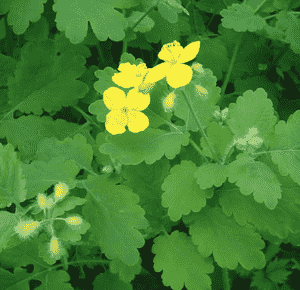
The most suitable period for relocating greater celandine is during the mild temperatures of late spring through early summer, enabling its root system to become well-anchored prior to the colder months. Select a location offering dappled light and soil that drains effectively to foster vigorous development.
What Preparations are Needed Before Transplanting Greater Celandine?
What is the Ideal Time for Transplanting Greater Celandine?
The optimal period to relocate greater celandine is when the mild conditions of late spring transition into the warmth of early summer, balancing development and recuperation. Placing greater celandine in its new spot during this timeframe allows it to settle under a gentle sun and extended daylight, encouraging strong root development before the peak of summer. This strategic timing promotes a smooth adjustment for greater celandine, enabling it to flourish and display its green potential in harmony with the season's nurturing embrace.
How Much Space Should You Leave Between Greater Celandine Plants?
Position each greater celandine 1-2 feet (30-60 cm) apart when moving them. This provides ample room for growth and prevents them from competing for nutrients. It might seem like a large gap initially, but they will expand to fill it!
What is the Best Soil Mix for Greater Celandine Transplanting?
Greater celandine thrives in well-drained soil. Incorporate some organic material or compost to enhance its quality. Regarding fertilizer, begin with a balanced formula, such as a 10-10-10 blend. This is a minor yet crucial step that will give your plants a robust start!
Where Should You Relocate Your Greater Celandine?
Select a site for your greater celandine that receives full sun to partial shade. These plants can endure various light conditions, but some daily sunlight will help them grow beautifully. Remember to observe the sun's movement in your garden throughout the day. Happy planting!
What Equipments Should You Prepare Before Transplantation Greater Celandine?
Gardening Gloves
To protect your hands while handling the plant and soil.
Shovel or Garden Spade
This is necessary for digging a hole in the ground where you intend to move the greater celandine, and can also be used to extract the greater celandine from its original spot.
Watering Can
This will be utilized to hydrate the plant, both prior to and following transplantation.
Garden Pruners
These are useful for trimming any dead stems or leaves from the greater celandine before relocating it.
Garden Hose (optional)
If the plant is being moved directly from the ground, you might need a hose to moisten the soil around the root ball of the greater celandine.
How Do You Remove Greater Celandine from the Soil?
How Do You Remove Greater Celandine from the Soil?
From Ground: Start by watering the greater celandine plant to dampen the soil. This helps in extracting the plant with less root damage. Then, using a garden spade or shovel, dig a wide circle around the greater celandine ensuring the root ball remains intact. Gradually work the spade beneath the root ball and gently lift the plant from its position.From Pot: Just before taking the greater celandine from the pot, water it thoroughly. Then, hold the pot sideways, and tap it lightly to loosen the soil and the root ball. Now, carefully slide the greater celandine out and support it by the root ball.From Seedling Tray: Water the seedlings before you plan to remove them. Then, with extreme care, push the greater celandine seedling from underneath the tray and lift it out, holding it by the leaves and not the roots.
Step-by-Step Guide for Transplanting Greater Celandine
Preparation
First, water the greater celandine plant before you intend to move it from its initial location. This preparation simplifies the removal process, causing minimal harm to the root system.
Digging
Using a shovel or spade, excavate a hole that is twice as wide and deep as the root ball of the greater celandine.
Planting
Carefully place the greater celandine into the hole you have dug. Ensure it is centered and upright before you begin refilling the hole with soil.
Replanting
Gently backfill the hole with soil, making sure no air pockets remain around the roots. The greater celandine should be planted at the same depth it was in its original spot.
Watering
After relocating the greater celandine, water it generously to settle the soil around the roots.
How Do You Care For Greater Celandine After Transplanting?
Pruning
To aid your greater celandine in recovering from transplant shock, you can remove any dead or dying leaves by trimming it. This helps the plant direct its energy towards new growth.
Watering
Maintain a consistent watering schedule. The soil should always be damp, but not waterlogged. After a few weeks, water less frequently but more deeply to encourage root development.
Protection
If severe weather is anticipated, consider providing some form of protection for your newly transplanted greater celandine. This could be a plant cover or a light shade structure.
Monitoring
Keep a close watch on the greater celandine over the next few weeks for signs of transplant shock, such as yellowed foliage or slowed growth. If such symptoms are observed, you can consult with a local nursery or extension service provider.
Troubleshooting Common Issues with Greater Celandine Transplantation.
When is the best time to transplant greater celandine?
The optimal period for relocating greater celandine is late summer to early fall (Season 3-Season 4). This allows the plant sufficient time to establish roots before winter.
What should be the appropriate spacing between each greater celandine plant?
Ensure that each greater celandine plant is given a space of approximately 1-2 feet (30-60 cm). This provides adequate room for growth and reduces competition for nutrients.
How deep should I plant greater celandine during transplantation?
The greater celandine should be planted at roughly the same depth it was previously grown. The top of the plant's root system should be just below the soil surface.
What's the best soil condition for transplanting greater celandine?
Greater celandine prefers well-drained soil that is rich in organic matter. An acidic to neutral pH range is ideal for this plant.
How often should I water greater celandine after transplanting?
Water greater celandine immediately after transplanting and continue regular watering. However, avoid overwatering as this can lead to root rot.
Will greater celandine tolerate sun after transplanting?
Greater celandine can tolerate sun but prefers partial shade. Especially during the recovery period after transplantation, choose a location with filtered or indirect sunlight.
How do I avoid transplant shock for greater celandine?
Transplant shock can be prevented by thoroughly watering the plant before and after transplantation, keeping the root system as intact as possible during the process.
Can greater celandine be transplanted while blooming?
While it is feasible, it is not ideal. Relocating greater celandine during blooming can stress the plant, as it attempts to both sustain flowers and develop new roots.
How long does it take for greater celandine to establish after transplant?
Generally, greater celandine may take several weeks to a couple of months to fully establish after being moved. Proper care can accelerate this process.
Should I fertilize greater celandine right after transplanting?
It is advisable to wait until new growth appears before fertilizing greater celandine after transplantation. Initially, focus on establishing the plant and then proceed with fertilization.



