How to Transplant Lambsquarters?
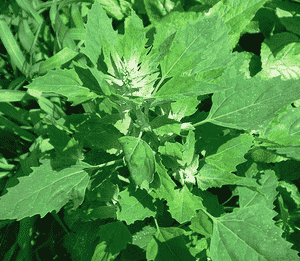
To achieve optimal outcomes, relocate lambsquarters during the peak period from mid-spring to early summer. Select a site with full sun to partial shade and verify sufficient soil hydration. Bear in mind, the precise moment of transplantation significantly influences lambsquarters's successful development!
Necessary Preparations Before Moving Lambsquarters?
Optimal Period for Relocating Lambsquarters?
Move lambsquarters during late spring to early summer for best development. This timeframe offers the ideal mix of warmth and sun, promoting robust and vibrant growth for lambsquarters.
Required Distance Between Lambsquarters Plants?
For lambsquarters, allow ample room for development. Position transplants approximately 1-2 feet (30-60 cm) apart to ensure sufficient space for them to flourish.
Best Soil Mixture for Lambsquarters Relocation?
For lambsquarters, prepare the ground with a well-draining blend, rich in organic material. Incorporate a foundational fertilizer made of compost, aged manure, or a slow-release granular product to supply vital nutrients.
Where Should You Replant Your Lambsquarters?
For peak growth, replant your lambsquarters in a sunny spot. It prefers at least 6-8 hours of direct sunlight daily, though it can endure some partial shade.
Equipment to Prepare Before Transplanting Lambsquarters?
Gardening Gloves
To safeguard your hands while handling soil and the lambsquarters plant.
Shovel or Spade
For digging holes for relocation and extracting the plant from its initial spot.
Trowel
Used for excavating smaller holes and refining the transplant cavity.
Hand Fork
To loosen the soil surrounding the plant in its original position.
Watering Can or Hose
To hydrate the plant before and after its move.
Organic Compost or Fertilizer
To blend into the transplant hole, providing nourishment for the plant.
Stakes and Twine (Optional)
To offer support for taller lambsquarters plants if required.
How to Extract Lambsquarters from the Soil?
How to Extract Lambsquarters from the Soil?
- From Ground:First, moisten the lambsquarters plant to dampen the soil. Next, excavate a wide trench around the plant using a shovel or spade, ensuring the plant's root ball stays intact. Carefully work the spade beneath the root ball to lift the plant from its initial location.- From Pot:Hydrate the lambsquarters plant to moisten the soil. Gently tilt the pot sideways, tapping its sides to loosen the soil. Slide the plant out while supporting the root ball with one hand and the stem with the other. Avoid pulling the plant's stem to prevent harm.- From Seedling Tray:Water the seedlings thoroughly and gently loosen the soil around the root ball using a hand fork. Carefully lift the lambsquarters seedling by grasping its leaves, not the stem, to avoid injury.
Step-by-Step Guide for Relocating Lambsquarters
Location Selection
Choose a spot with adequate sunlight and room for your lambsquarters plant to reach its full size.
Prepare the Cavity
Dig a hole twice the size of the root ball using a shovel or trowel. Mix some organic compost or fertilizer into the bottom of the hole.
Relocate the Plant
Gently slide the lambsquarters plant's root ball into the hole. Adjust the plant's height by adding or removing soil, ensuring the root ball is level with the surrounding ground.
Fill the Cavity
Backfill the hole with soil, completely covering the root ball. Press down gently around the plant's base to eliminate air pockets and secure the plant.
Water
Thoroughly water the plant after relocation to help settle the soil and ensure good root contact.
Support (Optional)
If necessary, use stakes and twine to support taller lambsquarters plants.
Post-Transplant Care for Lambsquarters?
Watering
Keep the soil around the lambsquarters consistently damp, but not waterlogged, for the initial weeks after transplanting to aid in root establishment.
Mulching
Apply a layer of organic mulch around the plant's base to retain moisture, deter weeds, and regulate soil temperature.
Fertilizing
Apply a slow-release, balanced fertilizer a few weeks after transplanting to encourage healthy growth. Follow package instructions for specific application rates and frequencies.
Pest and Disease Management
Monitor the lambsquarters plant for indications of pest or disease issues, and address them promptly using organic or conventional methods.
Pruning
If needed, trim the lambsquarters plant during its growing season to maintain a desired shape and promote denser growth.
Resolving Common Issues with Lambsquarters Relocation.
When is the best time to move lambsquarters?
The ideal time to move lambsquarters is from mid-spring to early summer for optimal growth.
What is the perfect spacing for lambsquarters plants?
For healthier growth, space lambsquarters plants 1-2 feet (30-60 cm) apart in your garden.
What kind of soil should I use when moving lambsquarters?
Lambsquarters can endure various soil types, but well-draining soil with organic matter is preferable.
How much sunlight does lambsquarters require after relocation?
Lambsquarters thrives in full sunlight but can tolerate partial shade after being moved.
What is the correct watering method for relocated lambsquarters?
Water lambsquarters thoroughly after moving, ensuring soil is moist but not waterlogged. Adjust based on weather.
How deep should I plant lambsquarters seedlings?
Dig a hole slightly deeper than the root ball, allowing roots to spread and establish.
How do I prepare lambsquarters seedlings for relocation?
Harden off lambsquarters seedlings by gradually exposing them to outdoor conditions 1-2 weeks before moving.
Can lambsquarters be moved with other plants?
Yes, lambsquarters can be cultivated alongside other plants, provided they have similar requirements.
How to care for lambsquarters after relocation?
Monitor water, sunlight, and soil conditions. Watch for pests and diseases, treating as needed.
When can I expect to harvest lambsquarters after relocation?
Depending on your region and weather, lambsquarters typically matures within 40-60 days after being moved.



