How to Transplant Spotted wintergreen?
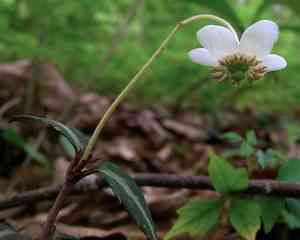
For successful relocation of spotted wintergreen, the peak period is late spring, enabling root development before summer warmth. Choose locations that are shaded and offer good drainage. Handle with care to protect fragile roots, facilitating a smooth adjustment.
What Preparations are Needed Before Transplanting Spotted Wintergreen?
What is the Ideal Time for Transplanting Spotted Wintergreen?
The optimal period for relocating spotted wintergreen is in mid-spring, a time when moderate temperatures and favorable soil conditions align. Moving them at this point allows spotted wintergreen to develop strong roots before summer's heat intensifies. A helpful tip: this timing capitalizes on the natural growth cycle, setting spotted wintergreen up for success.
How Much Space Should You Leave Between Spotted Wintergreen Plants?
When moving spotted wintergreen, ensure they have ample room to grow. An ideal spacing of approximately 1-2 feet (30-60 cm) apart will allow them to thrive perfectly.
What is the Best Soil Mix for Spotted Wintergreen Transplanting?
The perfect medium for spotted wintergreen would be an organically rich, well-draining sandy or loamy soil. Before planting, amend your garden soil with a foundational fertilizer enriched with organic matter for a nourishing beginning!
Where Should You Relocate Your Spotted Wintergreen?
Spotted wintergreen thrives in shaded outdoor environments. Partial to full shade is best. Therefore, find a cool location for them that receives filtered sunlight but is protected from intense direct sun throughout the day.
What Equipments Should You Prepare Before Transplantation Spotted Wintergreen?
Gardening Gloves
Protect your hands from dirt and thorns while handling the spotted wintergreen plant and working with the soil.
Trowel
Small handheld tool with a pointed, scoop-shaped metal blade ideal for digging small holes or transplanting small plants.
Transplanting Spade
A narrow spade designed for cutting deep into soil and around roots, perfect for removing spotted wintergreen from its original location.
Watering Can
To gently water the spotted wintergreen plant before, during, and after transplanting.
Wheelbarrow
This is useful for transporting the plant from its original location to the new site.
Pruning Shears
Use these to trim any damaged or diseased roots of the spotted wintergreen plant during transplanting.
How Do You Remove Spotted Wintergreen from the Soil?
How Do You Remove Spotted Wintergreen from the Soil?
From Ground: Before digging up your spotted wintergreen, water the plant thoroughly. This will make the roots flexible and less likely to snap. Using your transplanting spade, dig a circle around the plant that's at least 6 inches wider than the foliage of the plant. Cut down vertically with the spade all around to create a root ball then carefully lift the spotted wintergreen plant from the ground, preserving as much of the root ball as possible.From Pot: Water the spotted wintergreen plant first as it's easier to slide out when moist. Gently tilt the pot and slide the plant out, trying not to pull on the stem or foliage. If the plant is stuck, tap the sides and bottom of the pot to loosen it.From Seedling Tray: The spotted wintergreen seedlings should be transplanted when they are big enough to handle. Create a hole big enough to accommodate the seedling using a dibber or pencil, then gently tease the seedling from the tray using a dibber or similar tool, holding it by its leaves to avoid damaging the stem or root.
Step-by-Step Guide for Transplanting Spotted Wintergreen
Preparation
Remove any weeds or debris from the transplanting area and dig a hole that's twice as wide and equal in depth to the plant's root ball. Set the soil you removed from the hole to the side.
Placement
Place your spotted wintergreen plant into the hole. The top of the root ball should be level with or slightly below the surrounding soil. Adjust the depth of the hole if necessary.
Backfilling
Fill in the hole with the removed soil, patting lightly around the base of the spotted wintergreen plant to ensure that there are no air pockets.
Watering
Water the plant thoroughly after transplanting. The water will help settle the soil and reduce plant stress induced by transplanting.
How Do You Care For Spotted Wintergreen After Transplanting?
Watering Needs
Water the spotted wintergreen plant regularly until it's well-established. The soil should stay moist, but not waterlogged. Be sure not to overwater as this can lead to root rot.
Monitoring
Keep an eye on your spotted wintergreen plant's progress. It may take some time to adjust to the new location. If you notice any wilting or yellowing leaves, it might be an indication of transplant shock. In this case, reduce sunlight and maintain adequate watering.
Mulching
Applying a layer of mulch around the plant can help retain soil moisture and control weeds. It can also protect the plant from temperature extremes.
Troubleshooting Common Issues with Spotted Wintergreen Transplantation.
What's the best time of year to transplant spotted wintergreen?
The ideal transplanting season for spotted wintergreen is during the second growth stage (S2) of the year, typically the mid to late spring.
How far apart should I plant spotted wintergreen for optimal growth?
Adequate spacing is crucial for spotted wintergreen. Aim to plant them 1-2 feet (30-60 cm) apart to ensure they have room to flourish.
Is there a preferred soil type for transplanting spotted wintergreen?
Spotted wintergreen thrives best in well-drained, slightly acidic soil. It should be fertile, and rich in organic matter. Avoid overly soggy or compacted soil.
Should I water spotted wintergreen immediately after transplanting?
Yes, it's important to establish good water uptake. Water spotted wintergreen thoroughly right after transplanting, ensuring the soil is moist but not waterlogged.
How much sunlight does spotted wintergreen need post-transplant?
Spotted wintergreen does well in partially shaded areas. After transplanting, place it where it can receive light but is protected from full midday sun.
What's the key to successful transplanting of spotted wintergreen?
Effective transplanting of spotted wintergreen involves selecting the right time, proper spacing, suitable soil, right amount of sunlight, and adequate watering.
How deep should the planting hole be for spotted wintergreen?
The planting hole should be twice as wide and equally deep as the root ball of spotted wintergreen. This supports stable growth.
What should I do if the leaves of spotted wintergreen turn yellow after transplanting?
Yellowing leaves could indicate overwatering or nutrient deficiency. Adjust your watering schedule and consider using a balanced, slow-release fertilizer.
How long after transplanting should spotted wintergreen establish roots?
Spotted wintergreen usually starts establishing new roots in 2-3 weeks post-transplant. If it doesn't show signs of growth, consult an expert.
Is it advisable to prune spotted wintergreen post-transplant?
Refrain from any major pruning until spotted wintergreen establishes well after about a year. However, removing dead or diseased parts promotes healthy growth.



