How to Transplant Vetivergrass?
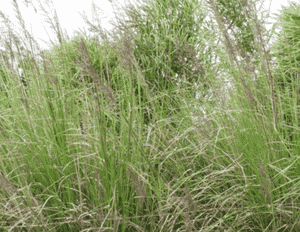
For vetivergrass, the ideal period for relocation is from the refreshing onset of early spring to the gentle warmth of late spring. Select a bright area featuring soil that drains effectively to foster vigorous development. Gradually introduce vetivergrass to its new environment for the best outcome.
What Preparations are Needed Before Transplanting Vetivergrass?
What is the Ideal Time for Transplanting Vetivergrass?
The optimal period for relocating vetivergrass falls between the refreshing coolness of early spring and the gentle warmth of late spring. Moving vetivergrass during this timeframe allows its robust root system to establish itself comfortably before the summer heat. This timing not only offers moderate temperatures and favorable soil conditions but also utilizes the season's soft rains to aid root development, ensuring vetivergrass flourishes in its new spot.
How Much Space Should You Leave Between Vetivergrass Plants?
Hello, gardener! When preparing to rehome your vetivergrass, remember to provide ample spacing. Aim for approximately 3-6 feet (about 0.9-1.8 meters) between each plant. This gives your vetivergrass the necessary room to thrive!
What is the Best Soil Mix for Vetivergrass Transplanting?
For your vetivergrass, consider the soil its comfortable resting place. A well-draining, loamy soil is precisely what it prefers. Before planting, incorporate some organic compost as a foundational fertilizer to give your vetivergrass a boost. It's like a welcoming snack for its roots!
Where Should You Relocate Your Vetivergrass?
Your vetivergrass loves sunlight! Choose a location in your garden that receives full sun; this means at least 6 hours of direct sunlight daily. This sunny spot will keep your vetivergrass content and flourishing. It's their personal piece of summer!
What Equipments Should You Prepare Before Transplantation Vetivergrass?
Gardening Gloves
To safeguard your hands while handling soil and plants.
Shovel or Spade
For excavating the plant and preparing the new planting site.
Garden Fork
To loosen the soil around the plant's roots and enhance soil structure at the new location.
Watering Can or Hose
For hydrating the plant before and after the transplanting process.
Wheelbarrow
To move the vetivergrass and soil if necessary.
Secateurs or Pruning Shears
For trimming any damaged roots or foliage.
Mulch
To cover the soil surface around the newly transplanted vetivergrass for moisture retention.
How Do You Remove Vetivergrass from the Soil?
How Do You Remove Vetivergrass from the Soil?
From Ground: First, water the vetivergrass to moisten the soil, making it easier to manage. Next, dig a generous trench around the vetivergrass, wide enough to encompass most of the root system, using a shovel. Carefully slide the shovel beneath the root ball to gently lift and separate the vetivergrass from its original spot.From Pot: Begin by watering the soil in the pot to minimize stress on the vetivergrass. Then, place your hand on the soil surface, with the plant's stem between your fingers, and invert the pot. Tap the bottom and sides of the pot to loosen the root ball and gently extract the vetivergrass.From Seedling Tray: Water the tray to dampen the soil. Use a garden fork or similar tool to carefully lift the vetivergrass seedlings from their cells, taking care not to harm the delicate roots.
Step-by-Step Guide for Transplanting Vetivergrass
Preparation
Water the vetivergrass thoroughly before transplanting to ensure its roots are well-hydrated.
Digging
Excavate a hole in the ground twice the width of the vetivergrass's root ball and of equal depth to prevent root bending or circling.
Root Pruning
Trim any damaged or excessively long roots with secateurs to encourage healthy development.
Placing the Plant
Carefully position the vetivergrass in the center of the prepared hole, setting it at the same depth it was previously growing.
Backfilling
Refill the hole with soil, gently compacting it around the roots, then water thoroughly to settle the soil and remove air pockets.
Mulching
Apply a layer of mulch around the plant to help retain moisture and regulate soil temperature.
How Do You Care For Vetivergrass After Transplanting?
Watering
Maintain consistent moisture in the soil around the vetivergrass by watering deeply and regularly, especially during dry spells, to promote root establishment.
Pruning
Trim only damaged or dead leaves to reduce stress and direct energy towards root development.
Mulch Refreshment
Periodically check the mulch and replenish it as needed to maintain adequate coverage around the vetivergrass.
Observation
Monitor the vetivergrass for signs of stress, such as wilting or discolored foliage, and address as necessary.
Troubleshooting Common Issues with Vetivergrass Transplantation.
When is the best time to transplant vetivergrass?
The optimal period for transplanting vetivergrass is from early to late spring, as these conditions foster root establishment while minimizing stress.
How far apart should I space vetivergrass when transplanting?
For ideal growth, ensure vetivergrass is spaced approximately 3 to 6 feet (91 to 183 cm) apart; this range provides ample room for them to flourish.
Can I transplant vetivergrass in summer or winter?
Transplanting vetivergrass in summer or winter is not recommended due to extreme temperatures that can stress the plants, potentially hindering establishment.
Should I water vetivergrass immediately after transplanting?
Yes, water vetivergrass generously right after transplanting to help settle the soil around the roots and provide essential hydration for recovery.
What type of soil is best for transplanting vetivergrass?
Well-draining soil rich in organic matter is best for vetivergrass, as it supports strong root growth and efficient water drainage.
How to prepare the transplant site for vetivergrass?
Loosen the soil to a depth of 10 to 12 inches (25 to 30 cm), mix in compost, and ensure the site is free of weeds before planting.
How deep should I plant vetivergrass's roots?
Dig a hole deep enough to accommodate vetivergrass's root ball, placing it at the same depth it was in its previous location.
Can I use fertilizer when transplanting vetivergrass?
While not essential, you may incorporate a balanced, slow-release fertilizer into the planting hole to encourage growth, but avoid over-application.
How do I handle vetivergrass roots if they're tangled?
Carefully untangle or trim any circling roots to promote outward growth and prevent girdling, which can constrict the plant.
What if the leaves of vetivergrass wilt after transplanting?
Some wilting is normal due to transplant shock. Keep the soil moist and provide shade if needed until the plant recovers.



