How to Transplant Spotted water hemlock?
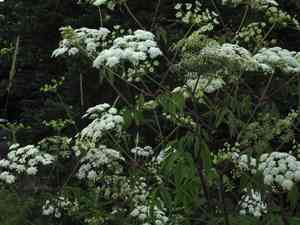
The revitalizing period following winter offers an ideal window for transplanting spotted water hemlock. Identify damp, adequately draining ground in areas receiving partial sunlight. Bear in mind, a delicate approach and negligible root disruption are crucial for its successful establishment.
What Preparations are Needed Before Transplanting Spotted Water Hemlock?
What is the Ideal Time for Transplanting Spotted Water Hemlock?
Initiate spotted water hemlock's development by relocating it during the spring awakening, when the warming earth encourages new root formation. Embrace this period for vigorous growth in your garden.
How Much Space Should You Leave Between Spotted Water Hemlock Plants?
For relocating spotted water hemlock, ensure ample room for each plant to expand. An optimal spacing of approximately 2-3 feet (60-91 cm) allows plants to flourish without overcrowding.
What is the Best Soil Mix for Spotted Water Hemlock Transplanting?
Your spotted water hemlock will thrive in well-drained, fertile ground. Enhance the soil with organic compost or a phosphorus and potassium-rich base fertilizer to establish a strong foundation.
Where Should You Relocate Your Spotted Water Hemlock?
Select a sunny spot for your spotted water hemlock. It prefers partial to full sun exposure, meaning about 3-6 hours of direct sunlight daily. Avoid consistently shaded areas.
What Equipments Should You Prepare Before Transplantation Spotted Water Hemlock?
Gardening Gloves
To safeguard your hands from the plant's toxic sap and facilitate handling without causing harm.
Garden Spade or Shovel
To excavate around and beneath the root ball of the spotted water hemlock plant.
Measuring Tape
To assist in digging the correct hole depth and width when relocating the plant.
Watering Can or Hose
To supply water both before and after the relocation process.
Wheelbarrow
To safely move the spotted water hemlock plant from its original spot to the new one.
How Do You Remove Spotted Water Hemlock from the Soil?
How Do You Remove Spotted Water Hemlock from the Soil?
From Ground: Start by irrigating the spotted water hemlock plant to moisten the soil, making extraction easier. Dig a wide trench around the plant using your shovel or spade, being careful not to harm its root ball. Once fully encircled, gently work your spade under the root ball and lift the plant, ensuring minimal root damage.From Pot: If the spotted water hemlock is in a container, you'll want to gently tap the sides to loosen the roots. Hold the plant's base and invert the pot, carefully pulling the plant free. If the root ball is stubborn, you might need to cut the pot away.From Seedling Tray: For younger spotted water hemlock plants in seedling trays, water them first to soften the growing medium. Gently grasp the plant's base and lift, or use a spoon or small tool to dig around the seedling's base, uprooting it for relocation.
Step-by-Step Guide for Transplanting Spotted Water Hemlock
Preparation
Measure the existing root ball's width and depth, then dig a hole 2-3 times wider and the same depth in your chosen spot. Ensure the hole's sides are loosened for root expansion.
Transplanting
Position your spotted water hemlock plant in the hole, making sure the top of the root ball is level with the ground. Do not bury the plant's stem.
Filling
Once placed, backfill the hole with soil, ensuring the plant stands upright. Gently firm the soil around the root ball to eliminate any air pockets.
Watering
Thoroughly water the plant immediately after planting, wetting both the plant and the surrounding soil.
Monitoring
For the initial few weeks, regularly check that the soil remains moist and the plant shows no signs of wilting.
How Do You Care For Spotted Water Hemlock After Transplanting?
Watering
Continue to irrigate your spotted water hemlock plant as needed for your climate, keeping the soil damp but not waterlogged.
Checking
Watch for pest and disease issues – these can emerge after a plant has experienced transplant stress.
Pruning
Rebalance the plant by removing any dead or dying foliage; this will encourage the plant to direct its energy towards establishing new roots.
Avoid Fertilizing
Do not fertilize the spotted water hemlock immediately after relocation as it can cause root burn. Wait until new growth appears before applying any fertilizer.
Troubleshooting Common Issues with Spotted Water Hemlock Transplantation.
What's the best season for transplanting spotted water hemlock?
The optimal period for relocating spotted water hemlock is during late winter to early spring (S1-S3). These cooler times will minimize transplant shock.
How do I prepare the garden bed for spotted water hemlock?
Begin by loosening the soil to a depth of 12 inches (30 cm) and incorporating compost or organic material. The soil should be well-draining and rich, to support spotted water hemlock's root development.
What's the ideal spacing when transplanting spotted water hemlock?
When relocating spotted water hemlock, they will flourish if positioned with a distance of approximately 2-3 feet (60-90 cm) between plants. This allows for ample growth while preventing overcrowding.
How deep should I plant spotted water hemlock?
Dig holes that are twice as wide and equal in depth to the root ball of spotted water hemlock. This provides sufficient space for roots to grow, ensuring a successful relocation.
What to do if spotted water hemlock shows signs of transplant shock, such as wilting?
You can reduce transplant shock by watering spotted water hemlock immediately after relocation and regularly thereafter. Also, apply a root stimulating fertilizer to help the plant establish in its new spot.
Is it necessary to prune spotted water hemlock during transplantation?
Lightly prune spotted water hemlock after relocation to encourage new, healthy growth. However, avoid heavy pruning as it can stress the plant and slow down its recovery.
How to check if spotted water hemlock is getting enough water after transplant?
Regularly inspect the soil around spotted water hemlock. If the top 2 inches (5 cm) are dry, it's time to water. Overwatering can lead to root rot, so avoid waterlogged conditions.
Why is it that after transplanting, spotted water hemlock hasn't shown any new growth?
Don't be concerned! After relocation, spotted water hemlock may take some time to adjust to its new surroundings. Instead of immediate visible growth, it might be developing its root system.
Do I need to mulch around spotted water hemlock after transplanting?
Absolutely, mulching helps retain moisture and suppresses weed growth. Apply a 2-3 inches (5-7.5 cm) deep layer of organic mulch around the base of spotted water hemlock, but avoid covering the stem.
What should I do if spotted water hemlock appears yellow or wilted after transplantation?
If spotted water hemlock looks yellow or wilted after relocation, it might be due to water stress, insufficient light, or nutrient deficiency. Review your watering routine; relocation may be necessary if it's a light issue.



