How to Transplant Camphor tree?
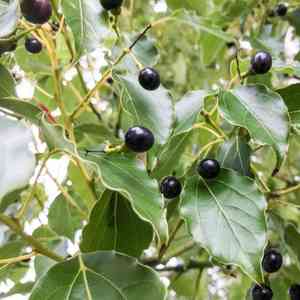
The optimal period for relocating camphor tree is in the pleasant warmth of late spring and early summer, as this offers favorable circumstances for root development. Ensure camphor tree is situated in a sunny spot with good drainage, and irrigate regularly following the transplant to foster a flourishing tree.
What Preparations are Needed Before Transplanting Camphor Tree?
What is the Ideal Time for Transplanting Camphor Tree?
The optimal period for relocating camphor tree is at the transition from spring to early summer. This timing offers an ideal climate and sufficient growing time before winter's harsh conditions. Moving camphor tree then leverages natural cycles for the best possible start. Proper preparation and pre-transplant care are crucial for successful transplantation. Rest assured, camphor tree is a resilient perennial and adapts well to new environments.
How Much Space Should You Leave Between Camphor Tree Plants?
For camphor tree, maintain a distance of approximately 30-40 feet (9-12 meters) between individual plants to ensure adequate room for growth and root expansion.
What is the Best Soil Mix for Camphor Tree Transplanting?
Prior to transplanting camphor tree, amend the soil by incorporating well-draining, loamy soil with a foundation of organic compost or aged manure to supply essential nutrients.
Where Should You Relocate Your Camphor Tree?
Select a sunny location for camphor tree that receives at least 6 hours of direct sunlight daily. Steer clear of areas with intense afternoon sun, as it can scorch the plant's foliage.
What Equipments Should You Prepare Before Transplantation Camphor Tree?
Gardening Gloves
To safeguard your hands while handling soil and plants.
Shovel or Spade
For excavating holes and trenches around the plant's root ball.
Trowel
To loosen soil around plants in containers or seedling trays.
Pruning Shears
To trim roots, if required.
Watering Can or Hose
To hydrate the plant before and after relocation.
Soil Amendment
Such as compost or well-decomposed manure, to enrich the planting site.
Mulch
To aid in retaining soil moisture and inhibiting weed growth post-transplant.
Tree Stake and Ties
To support the camphor tree as it establishes itself in its new spot.
How Do You Remove Camphor Tree from the Soil?
How Do You Remove Camphor Tree from the Soil?
From Ground: First, moisten the soil around the camphor tree. Then, dig a wide trench around the plant with a shovel or spade, ensuring the root ball remains intact. Carefully work the spade beneath the root ball to lift the plant from its original position.From Pot: Water the plant thoroughly a few hours before moving it. Lay the pot on its side and gently loosen the soil edges with a trowel. Carefully slide the camphor tree out of the pot, keeping the root ball whole.From Seedling Tray: Gently extract the camphor tree seedling from the tray by carefully lifting it from its base. Use a trowel to loosen the soil around the seedling if needed. Hold the plant by its stem or leaves to prevent root damage.
Step-by-Step Guide for Transplanting Camphor Tree
Site Selection
Choose a spot with adequate sunlight and room for your camphor tree to reach its full size.
Digging the Hole
Excavate a hole that is at least 2-3 times wider and slightly deeper than the camphor tree's root ball.
Soil Amendment
Mix organic compost or well-rotted manure into the excavated soil to enhance its quality, before refilling the planting hole.
Placing the Plant
Position the camphor tree in the center of the hole, ensuring the top of the root ball is level with the ground. Spread its roots evenly.
Backfilling the Hole
Gently refill the hole with the amended soil, making sure there are no significant air pockets around the roots.
Watering
Thoroughly water the camphor tree after transplanting, allowing the water to fully soak the root zone.
Mulching
Apply a 2-3 inch layer of organic mulch around the base of the camphor tree, keeping it a few inches away from the trunk.
Staking
If necessary, support the camphor tree with a stake and soft ties to help it establish itself in its new location.
How Do You Care For Camphor Tree After Transplanting?
Watering
Maintain consistent soil moisture around the camphor tree, avoiding sogginess, for the initial weeks post-transplant to encourage strong root development.
Pruning
Lightly trim the camphor tree's branches to shape it and promote denser growth, if desired. Avoid excessive pruning during the first year after relocation.
Fertilizing
Wait at least 3-4 weeks after transplanting before applying a slow-release fertilizer around the camphor tree, following product instructions.
Pest Control
Regularly inspect the camphor tree for any indications of pests or diseases and address them promptly with suitable treatments.
Support
Periodically check the stake and ties, adjusting them as needed to accommodate growth and prevent harm to the camphor tree.
Troubleshooting Common Issues with Camphor Tree Transplantation.
What is the best time of year to transplant camphor tree?
The optimal time for relocating camphor tree is during the shift from late spring to early summer. Transplanting then allows the plant to better acclimate to its new surroundings.
How much space should I leave between each camphor tree when transplanting?
You should aim for a distance of approximately 30-40 feet (9-12 meters) between each camphor tree. This provides ample room for the trees to grow and spread without overcrowding.
What kind of soil is best for transplanting camphor tree?
Camphor tree thrives in well-draining soil with a slightly acidic pH. If your soil is too alkaline or drains poorly, consider amending it before transplanting for optimal growth.
How deep should I plant camphor tree while transplanting?
When transplanting camphor tree, position it so the top of the root ball is level with or slightly above the ground surface. Avoid planting too deeply, as this can lead to root damage.
Should I water camphor tree immediately after transplanting it?
Yes, you should water camphor tree immediately after transplanting. This helps settle the soil around the roots and minimizes transplant shock. Ensure the soil is thoroughly watered but not waterlogged.
How to minimize transplant shock when moving camphor tree?
Ensure the root ball remains moist, but not saturated, throughout the entire transplant process. Keep camphor tree out of direct sunlight until it's in its new spot. Then, water immediately after transplanting.
Can camphor tree be transplanted in a pot?
Camphor tree can certainly be transplanted into a container. However, remember to provide ample space for growth and select a well-draining pot of an appropriate size to accommodate the plant's mature dimensions.
Do I need to prune camphor tree before transplanting?
While not essential, light pruning before transplanting can remove dead or damaged branches and help camphor tree direct energy towards root development in its new location.
Can I apply fertilizer immediately after transplanting camphor tree?
Avoid applying fertilizer immediately after transplanting camphor tree as it may cause more harm than good. Allow the plant some time to adjust before adding any additional nutrients.
How often should I water camphor tree after transplanting?
After transplanting, camphor tree should be watered thoroughly, then approximately once a week or whenever the soil feels dry to the touch. The key is maintaining a balance – not too dry, not too soggy.



