How to Transplant True cinnamon tree?
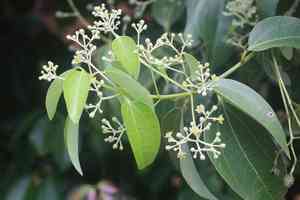
The optimal period for relocating true cinnamon tree is in the milder weather of late spring through early summer, allowing roots to settle prior to the onset of intense heat. Select a bright location featuring soil that drains effectively and ensure steady post-transplant attention.
What Preparations are Needed Before Transplanting True Cinnamon Tree?
What is the Ideal Time for Transplanting True Cinnamon Tree?
The optimal period to move your true cinnamon tree is from mid to late spring, extending into early summer. This timeframe provides stable temperatures and moderate rainfall, creating a supportive environment for the true cinnamon tree to establish its root system. By selecting this season, you align with nature's cycle, which promotes root development and lessens transplant stress. It's the season of active growth, making it an ideal moment for transplanting, ensuring your true cinnamon tree gets the best start in its new spot. A friendly reminder: diligent post-transplant care is vital for your true cinnamon tree to flourish!
How Much Space Should You Leave Between True Cinnamon Tree Plants?
When relocating your true cinnamon tree, ensure they are spaced approximately 4-6 feet (1.2-1.8 meters) apart. This spacing allows ample room for their growth and development, preventing them from hindering each other's progress.
What is the Best Soil Mix for True Cinnamon Tree Transplanting?
For true cinnamon tree, prepare the ground with soil that drains well, ideally a sandy loam. This soil type facilitates proper drainage, preventing root waterlogging. Incorporate generous amounts of compost or organic matter as a foundational fertilizer.
Where Should You Relocate Your True Cinnamon Tree?
Locate a garden spot where your true cinnamon tree will receive ample sunlight. They require at least 6 hours of direct sun daily for proper development. Avoid shaded areas as they can impede growth.
What Equipments Should You Prepare Before Transplantation True Cinnamon Tree?
Gardening Gloves
To safeguard your hands during hands-on tasks involving soil and plants.
Shovel or Spade
For digging the hole for the true cinnamon tree plant and assisting in its removal from the original site.
Watering Can
For hydrating the plant both at its initial location (to facilitate removal) and at the new site after transplant.
Garden Knife
Useful for cutting through stubborn roots when extracting the plant.
Wheelbarrow or Cart
To transport the plant from its initial spot to the new one, especially if it's a large specimen.
Root Saw
Necessary when the plant possesses large roots that require cutting prior to removal.
Garden Fork
Helps to loosen the soil surrounding the plant before its extraction.
Mulch
To regulate temperature and moisture levels at the new planting site.
Compost
To supply nutrients to the plant during and after the transplanting process.
Stakes & Ties
Required for offering support to the plant after transplanting, if deemed necessary.
How Do You Remove True Cinnamon Tree from the Soil?
How Do You Remove True Cinnamon Tree from the Soil?
From Ground: Start by watering the true cinnamon tree plant to moisten the surrounding soil. This will simplify the digging process. Using your garden fork or spade, begin to excavate a trench around the plant. It's crucial to keep the plant's root ball intact during this. Carefully slide your spade or shovel beneath the root ball, taking care not to harm any major roots, and gently lift the plant from its original position. From Pot: Before you begin, water the plant. To extract the true cinnamon tree plant, turn the pot sideways, hold the plant gently by its stems, tap the bottom of its container, and slide the plant out. If the plant resists, you might want to use a garden knife around the pot's inner edge to loosen any adhering roots. From Seedling Tray: Water the tray first to facilitate the removal process. Then, carefully loosen the soil around each seedling using a small tool or your fingers. You can grasp the true cinnamon tree seedlings at their base and pull gently while pushing up from the tray's bottom.
Step-by-Step Guide for Transplanting True Cinnamon Tree
Preparation
Before transplanting, water the true cinnamon tree plant in its current location. This aids in reducing shock as the plant adapts to its new soil environment.
Hole Digging
The new planting hole should be twice as wide and the same depth as the true cinnamon tree plant's root ball.
Careful Removal
Gently extract the true cinnamon tree plant from its original spot, ensuring the root ball remains intact. For potted plants, a tap might be needed to loosen the roots.
Placement
Position the true cinnamon tree plant in the hole, making sure it sits at the same depth as it was originally. Backfill the hole with the excavated soil, gently pressing down to eliminate any air pockets.
Watering
Water the plant immediately after transplanting to lessen root system shock and help it settle better.
Composting
Add some compost around the plant's base to provide essential nutrients.
Mulching
Spread a layer of mulch around the plant to regulate soil temperature and maintain moisture.
Staking
If the true cinnamon tree plant is tall or fragile, stake it for additional support.
How Do You Care For True Cinnamon Tree After Transplanting?
Watering
Consistent watering is vital post-transplant, keeping the soil uniformly moist for the initial few weeks. This promotes robust root establishment.
Mulching
Replenish the mulch layer as necessary. Mulch not only helps retain moisture but also inhibits weed growth.
Composting
Regular composting can supply the required nutrients for the true cinnamon tree plant's development.
Pruning
Minor pruning after transplanting can remove any damaged or stressed parts, allowing the true cinnamon tree to direct its energy towards root establishment.
Staking
While the plant is establishing, inspect stakes and ties for any needed adjustments. Allow for some movement but ensure the true cinnamon tree plant is supported, especially in windy conditions.
Monitoring
Closely observe the true cinnamon tree plant for several weeks after transplanting. Watch for any indications of disease or stress, and address them as needed.
Troubleshooting Common Issues with True Cinnamon Tree Transplantation.
What is the ideal season to transplant true cinnamon tree?
The optimal period to transplant true cinnamon tree is between late spring and early fall, which generally offers the most favorable conditions for this plant's growth.
How far apart should true cinnamon tree plants be when transplanting?
When transplanting true cinnamon tree, maintain a distance of 4-6 feet (1.2-1.8 meters). This provides ample room for the plant's root system to expand comfortably, encouraging steady growth.
When transplanting true cinnamon tree, what kind of soil should I use?
True cinnamon tree thrives in rich, well-drained soil with an acidic to neutral pH. Incorporating soil amendments or compost can often improve soil quality, leading to healthier plant growth.
Do I need to water true cinnamon tree immediately after transplanting?
Yes, thoroughly water the plant right after transplanting. This will aid in settlement and eliminate air pockets around the roots. Subsequently, maintain a consistent watering schedule.
Can transplant shock in true cinnamon tree be prevented?
Transplant shock can be minimized by reducing root disturbance during the transplant, watering the plant generously afterward, and maintaining ideal temperatures.
Is it a good idea to prune true cinnamon tree during transplanting?
Yes, it is recommended. Pruning the plant during transplanting helps direct more of its energy towards developing strong roots. Remove any dead or diseased branches.
How deep should the hole be when transplanting true cinnamon tree?
When transplanting true cinnamon tree, prepare a hole that is twice as wide and the same depth as the plant's root ball. This ensures the plant has sufficient space for root expansion.
Can I use fertilizers while transplanting true cinnamon tree?
Absolutely! Use a slow-release fertilizer at the time of planting. It will supply necessary nutrients for growth, but avoid high nitrogen content as it can harm young roots.
How can I make sure true cinnamon tree will survive the transplant?
Keep the plant well-hydrated, maintain appropriate temperatures, shield it from extreme weather, deter pests, and use a balanced fertilizer to enhance its growth.
Why are the leaves of my true cinnamon tree turning yellow after transplanting?
Yellow leaves on true cinnamon tree can indicate transplant shock, over-watering, under-watering, or a nutrient deficiency. Identify and correct the condition to help your plant thrive.



