How to Transplant Swamp leatherflower?
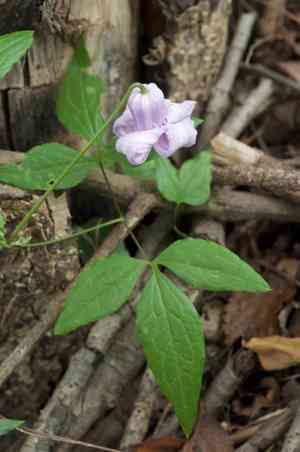
The most favorable period for relocating swamp leatherflower is from the gentle warmth of late spring to the middle of summer, enabling its root system to establish itself in damp, adequately draining earth. Select a location where filtered sunlight can illuminate its tender leaves.
What Preparations are Needed Before Transplanting Swamp Leatherflower?
What is the Ideal Time for Transplanting Swamp Leatherflower?
The best time to move swamp leatherflower is from late spring to early summer. This period offers mild temperatures and consistent daylight, promoting strong root development without the stress of intense summer heat. Transplanting swamp leatherflower during this lush season aligns with its natural growth cycle, ensuring a smooth transition to its new spot and setting the stage for a vibrant display in your garden.
How Much Space Should You Leave Between Swamp Leatherflower Plants?
When placing swamp leatherflower for transplanting, aim for a separation of approximately 3-4 feet (about 0.9-1.2 meters) between individual plants. This provides ample room for their growth and spread. Happy gardening!
What is the Best Soil Mix for Swamp Leatherflower Transplanting?
For swamp leatherflower, a well-draining soil enriched with compost or other organic material works exceptionally well. Consider incorporating a balanced slow-release fertilizer at the base during planting. This will give swamp leatherflower a nutrient-rich start to its life!
Where Should You Relocate Your Swamp Leatherflower?
When selecting a new spot for transplanting swamp leatherflower, choose a location with partial shade. This plant thrives in sunlight but also benefits from some protection from the intense afternoon sun. Good luck, your swamp leatherflower will flourish beautifully!
What Equipments Should You Prepare Before Transplantation Swamp Leatherflower?
Gardening Gloves
These will safeguard your hands while handling soil and swamp leatherflower during the transplanting process.
Shovel
Essential for excavating the plant from the ground or removing it from a container.
Garden Trowel
This smaller implement is useful for more precise digging and planting tasks.
Watering Can
To keep the plant hydrated before, during, and after the relocation.
Gardening Pruners
Excellent for trimming any dead or overgrown sections of the swamp leatherflower prior to transplanting.
Gardening Fork
Helpful for loosening and aerating the soil in the new planting area.
Plant Support Structures
Certain varieties of swamp leatherflower might need support to grow effectively.
How Do You Remove Swamp Leatherflower from the Soil?
How Do You Remove Swamp Leatherflower from the Soil?
From Ground: Begin by hydrating the swamp leatherflower plant to moisten the soil, making it easier to manage. Using a shovel, dig a wide trench around the plant, ensuring the plant's root ball remains undisturbed. Carefully insert the spade beneath the root ball to gently lift the plant from its original spot.From Pot: Again, start by watering the plant. Then, carefully tilt the pot on its side and gently slide the swamp leatherflower plant out, taking care to minimize root damage. If the plant is stuck, you might need to lightly tap the bottom of the pot.From Seedling Tray: Water the tray first. Then, carefully use a gardening trowel or spoon to loosen the soil around each seedling. Gently lift each swamp leatherflower plant from the tray, ideally keeping its root system and attached soil intact.
Step-by-Step Guide for Transplanting Swamp Leatherflower
Plant Removal
Utilize the appropriate method described above to extract your swamp leatherflower plant from its initial location.
Site Preparation
Use a gardening fork to loosen the soil in the new spot and dig a hole that is wide and deep enough to accommodate the root system of the swamp leatherflower plant.
Transplanting
Gently place the swamp leatherflower plant into the hole, ensuring that the top of the root ball is level with the ground surface. Backfill the hole with soil, firming it gently around the base of the plant.
Watering
Thoroughly water the plant immediately after transplanting, using your watering can. Ensure the soil is moist, but not waterlogged.
How Do You Care For Swamp Leatherflower After Transplanting?
Pruning
Regularly trim the swamp leatherflower plant to remove any dead or damaged sections. This promotes new growth and maintains the plant's health.
Temperature regulation
Although the swamp leatherflower plant can tolerate various temperatures, it prefers a warm environment. Therefore, avoid locations exposed to cold drafts or frost.
Feeding
Regularly apply organic matter or a slow-release fertilizer to ensure the swamp leatherflower plant receives necessary nutrients.
Maintenance
Monitor the health of the swamp leatherflower plant in the weeks and months following transplanting to detect any signs of stress or disease. If identified early, most issues can be resolved easily.
Troubleshooting Common Issues with Swamp Leatherflower Transplantation.
When is the ideal time to transplant swamp leatherflower?
The optimal period for transplanting swamp leatherflower is between late summer and mid-autumn, which corresponds to seasons 3 to 5.
What is the preferred spacing for transplanting swamp leatherflower?
Considering the growth habit of the swamp leatherflower, maintaining a distance of approximately 3-4 feet (0.9-1.2 meters) between plants is recommended.
How deeply should I plant swamp leatherflower during transplantation?
Swamp leatherflower thrives best when the top of its root ball is level with or slightly below the soil surface. Avoid planting it too deep.
How to handle swamp leatherflower's root ball during transplantation?
Be gentle with the root ball of swamp leatherflower. Avoid damaging the roots, as this could hinder the plant's adjustment and growth after being transplanted.
Why is my transplanted swamp leatherflower not thriving?
Check the location; swamp leatherflower prefers partial to full sun exposure. Also, ensure the soil is well-drained and the plant is adequately spaced.
How to water swamp leatherflower after transplantation?
Keep the soil consistently moist but not waterlogged. Over-watering can lead to root rot, while insufficient watering might cause transplant shock.
How to prepare the soil for swamp leatherflower's transplantation?
Prepare a well-drained, fertile soil. Before planting, enrich the soil with compost or an all-purpose, slow-release fertilizer to aid in the plant's establishment.
Why is my transplanted swamp leatherflower wilting?
Wilting could be a symptom of transplant shock. Keep the soil moist and the plant protected from harsh winds and intense sunlight for the initial few weeks.
Should I prune swamp leatherflower during transplantation?
Yes, it helps the plant direct its energy towards root development. Prune up to one-third of the plant, focusing on damaged or excessively long roots.
How soon can I expect flowers after transplanting swamp leatherflower?
Swamp leatherflower typically establishes within the first growing season post-transplant. With proper care, you'll likely observe splendid blooms by the second year.



