How to Transplant Puawhananga?
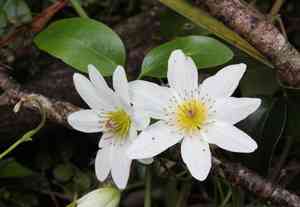
The most favorable period for relocating puawhananga is after spring, once warmer temperatures are established, as this promotes robust root development. Select a location that receives ample sunlight and offers good drainage. Gentle manipulation is crucial to minimize shock, thus ensuring a seamless adaptation for this vining specimen.
Essential Preparations Before Relocating Puawhananga
Optimal Period for Puawhananga Relocation?
The best time to move puawhananga is from late spring through mid-summer, a period characterized by warm earth and consistent weather. This timing allows puawhananga to settle in moderate temperatures before the intense heat of late summer. Transplanting during this phase encourages robust root development, ensuring puawhananga becomes firmly established in its new spot, benefiting from the extended growing season ahead.
Recommended Spacing Between Puawhananga Plants?
When moving your puawhananga, ensure adequate spacing. Ideally, position them 1-2 feet (0.3-0.6 meters) apart. This provides ample room for your plants to expand and thrive.
Best Soil Blend for Puawhananga Transplanting?
For puawhananga, a well-draining soil rich in organic matter is highly beneficial. Incorporate a foundational fertilizer like bone meal or compost before planting. This will enrich the soil and promote vigorous growth.
Where to Replant Your Puawhananga?
Your puawhananga will flourish in a location with good sun exposure, but not excessive! A spot receiving morning sun and afternoon shade would be ideal. Remember, the correct amount of sunlight helps your plant prosper!
Tools Required Before Transplanting Puawhananga?
Gardening Gloves
For hand protection while handling soil and plants.
Spade or shovel
Used for digging the ground to prepare a hole for the puawhananga and to lift it from its original site.
Garden trowel
For carefully lifting the plant, especially when moving it from a pot.
Garden Fork
Helpful for loosening the soil to facilitate easy replanting of the puawhananga.
Watering Can
For hydrating the plant to aid its establishment in the new location.
How to Extract Puawhananga from the Soil?
How to Extract Puawhananga from the Soil?
From Ground: First, ensure the soil around the puawhananga plant is moist by watering it. Dig a wide circle around the plant using a spade. Be careful not to harm the plant's root ball, and gently work the spade beneath the root ball to lift the plant from its initial spot.From Pot: If the puawhananga is in a pot, water it first to simplify removal. Then, carefully ease the plant out by inverting the pot and tapping the bottom. Avoid pulling on the plant's stem.From Seedling Tray: To remove puawhananga from a seedling tray, begin by watering the seedlings. Then, use a gardening trowel or your fingers to gently lift the plant from the tray, taking care to protect the roots.
Step-by-Step Guide for Relocating Puawhananga
Hole Preparation
Excavate a hole twice as wide and as deep as the puawhananga's root ball. Position the plant into the hole and spread out its roots.
Plant Placement
Ensure the puawhananga is level with or slightly above the surrounding ground to encourage proper drainage.
Soil Backfill
Refill the hole with soil, gently firming it around the plant's base. Confirm no roots are exposed.
Watering
Once planted, water the puawhananga thoroughly, ensuring the soil remains consistently moist. This aids the plant in settling into its new environment.
Post-Transplant Care for Puawhananga
Monitoring
Observe your puawhananga after transplanting; if the plant appears droopy or its leaves yellow, it may indicate transplant shock. Increase watering and consider providing shade for the plant.
Pruning
Trim back the puawhananga after transplant if necessary. This stimulates new growth and helps the plant conserve energy needed for root establishment.
Watering
For the initial few weeks, keep the soil slightly damp but not saturated. Overwatering can lead to root rot. As the plant settles, adjust watering as required.
Addressing Common Issues with Puawhananga Transplantation.
When is the optimal time to transplant puawhananga?
The best period to move puawhananga is from late summer to early fall, often referred to as the S3-S5 period.
What distance should I maintain between puawhananga plants during relocation?
Always ensure a healthy spacing of 1-2 feet (30-60 cm) between puawhananga plants. This allows for growth while preventing overcrowding.
The leaves of my relocated puawhananga are wilting. What actions can I take?
Wilting can signal transplant shock. Keep the soil slightly moist and place the plant in a partially shaded area. Recovery is typically swift.
What type of soil is ideal for transplanting puawhananga?
Utilize well-drained, fertile soil for transplanting puawhananga. It prefers slightly alkaline conditions but will tolerate most soil types.
Why isnât my newly transplanted puawhananga growing?
Ensure puawhananga receives adequate sunlight and water, but avoid overwatering. If conditions seem appropriate, your puawhananga might simply be slow to establish after transplant.
My transplanted puawhananga appears droopy and lacks vitality. What's amiss?
Your puawhananga might be either over-watered or under-watered. Adjust watering, keeping the soil moist but not waterlogged. In severe cases, a balanced fertilizer can be beneficial.
How frequently should I water puawhananga after transplantation?
For the first few weeks after transplanting puawhananga, water it every other day. Once established, reduce to once a week or when the soil begins to dry out.
What is the ideal depth for planting puawhananga during relocation?
Aim for a hole depth that matches the root ball's height. Ensure the top of the root ball is level with or slightly above the surrounding soil.
Does puawhananga require any specific care after transplantation?
Ensure the soil remains moist but not soggy. Partial shading can help puawhananga recover from transplantation shock, and remember to regularly check for pests and diseases.
How long will it take for puawhananga to establish after transplanting?
Puawhananga often takes time to establish after transplant. Be patient; it may take several weeks. Providing optimal conditions will accelerate this process.



