How to Transplant Butterfly pea?
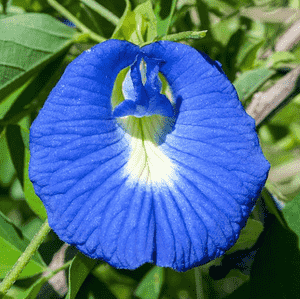
Butterfly pea transplantation flourishes in the mild temperatures of early to mid-spring. Select a bright, adequately drained spot for peak development. Bear in mind, relocation should be performed with delicate attention to avert root trauma. Adopt a gentle, nurturing method for a flourishing, lively butterfly pea!
What Preparations are Needed Before Transplanting Butterfly Pea?
What is the Ideal Time for Transplanting Butterfly Pea?
The best period to move butterfly pea is from early spring through its middle phase, an excellent season for plant vitality. Starting the transplant during this time strengthens root development before the vigorous growth season. An early spring transplant indeed promises a rewarding gardening experience with butterfly pea!
How Much Space Should You Leave Between Butterfly Pea Plants?
For butterfly pea, a good initial spacing is approximately 12-24 inches (30-60 cm) apart. This provides ample room for development and ensures proper air circulation.
What is the Best Soil Mix for Butterfly Pea Transplanting?
Prepare the soil for butterfly pea by mixing well-draining soil with compost or aged manure. This combination works wonderfully! A balanced slow-release fertilizer like a 10-10-10 can be added to supply essential nutrients.
Where Should You Relocate Your Butterfly Pea?
When transplanting butterfly pea, choose a spot that receives full sun for at least 6 hours daily, but can also endure some afternoon shade. This ensures the plant gets optimal sunlight to flourish.
What Equipments Should You Prepare Before Transplantation Butterfly Pea?
Gardening Gloves
To safeguard your hands while handling soil and plants.
Shovel or Spade
For digging holes and assisting with plant extraction and relocation.
Hand Trowel
To excavate smaller, more precise holes, especially useful for seedlings.
Garden Hoe
Excellent for breaking up soil, allowing roots to spread effectively.
Watering Can or Hose
To keep the plant adequately hydrated before and after moving.
Organic Compost
To enrich the new site's soil, aiding root establishment.
Mulch
Helps maintain soil moisture and suppress weeds after transplanting.
Workbench or Table
An elevated surface used when transplanting seedlings to prevent physical strain.
How Do You Remove Butterfly Pea from the Soil?
How Do You Remove Butterfly Pea from the Soil?
From Ground: First, hydrate the butterfly pea plant to moisten the soil, facilitating removal. Gently dig a circle around the plant with a spade, ensuring the root ball remains undamaged. Carefully work the spade beneath the root ball to lift the plant from its original spot, aiming to keep as much of the root system intact as possible.From Pot: Water the plant and wait a few minutes. Place a hand on the soil surface around the base of the butterfly pea, with the plant stem between your fingers. Invert the pot while holding the plant and tap gently to release the plant and root ball.From Seedling Tray: Ensure the seedlings are thoroughly watered. Use a small gardening trowel or even a spoon to carefully scoop out each individual butterfly pea seedling, taking as much of the original soil along with the roots as possible.
Step-by-Step Guide for Transplanting Butterfly Pea
Preparation
Select an overcast, relatively cool day for transplanting to minimize stress on the butterfly pea plant. Ensure the chosen location has been prepared with organic compost mixed into the soil.
Digging
Excavate a hole that is twice the width and the same depth as the root ball.
Placement
Position the butterfly pea plant in the hole. The top of the root ball should be level with the surrounding soil.
Backfilling
Refill the hole with the excavated soil, pressing it down gently around the plant's base to stabilize it.
Watering
Water the plant deeply immediately after planting. Water around the plant's base, but avoid wetting the leaves as this can lead to diseases.
Mulching
Spread a layer of mulch around the base of the butterfly pea plant. This will help maintain soil moisture and control weeds.
How Do You Care For Butterfly Pea After Transplanting?
Watering
Ensure the butterfly pea plant is well-watered for the initial few weeks after transplant. The soil should remain consistently moist but not excessively wet. Adjust watering to the plant's requirements, considering factors such as weather and soil drainage.
Weeding
Regularly remove weeds from the area around your plant as they can compete with the newly transplanted butterfly pea for resources.
Pruning
Trim back any dead or yellowing leaves to encourage new growth.
Mulch Replacement
Replenish the mulch if it begins to decompose, to continue regulating the soil's temperature and moisture level.
Foliage Inspection
Check the leaves regularly for signs of disease or pest infestation. Early detection makes treatment easier and more effective.
Troubleshooting Common Issues with Butterfly Pea Transplantation.
When's the best time to transplant butterfly pea?
It's ideal to begin the transplanting process during early to mid-spring when temperatures start to rise.
What's the ideal spacing when transplanting butterfly pea?
Your butterfly pea will thrive when planted 12-24 inches (30-60 cm) apart. This spacing promotes healthy growth.
Why are my transplanted butterfly pea wilting?
Wilting could be due to transplant shock, insufficient water, or excessive sunlight. Gradual acclimatization might help prevent this issue.
How do I ensure strong roots before transplantation?
Allow butterfly pea to develop a robust root system in a nursery pot before transplanting. This typically takes a few weeks.
Should I use any fertilizer while transplanting butterfly pea?
Incorporating organic compost into the planting hole would be beneficial. It provides the necessary nutrients for the newly transplanted butterfly pea.
How much water is necessary after transplanting butterfly pea?
Immediately after transplanting, ensure the soil is thoroughly watered. Afterward, maintain moist soil conditions, but avoid waterlogging.
Can butterfly pea be transplanted in a pot?
Absolutely! Butterfly pea can be grown in containers. Just ensure it's large enough to support the plant's mature size and has adequate drainage.
Should I prune butterfly pea after transplantation?
Pruning any wilted or dead parts will help the butterfly pea to focus its energy on new growth and also maintain its appearance.
What is the ideal soil condition for transplanting butterfly pea?
Butterfly pea prefers rich, well-draining soil. So, preparing a comfortable bed of loose soil enriched with compost would be perfect for transplanting.
What is the optimal sun exposure for newly transplanted butterfly pea?
Butterfly pea loves sunlight, but for freshly transplanted specimens, it's better to provide indirect sunlight until they are fully established.



