How to Transplant Garden croton?
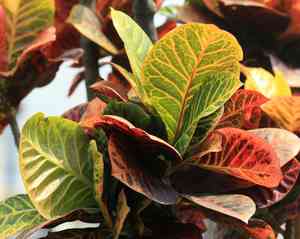
The optimal period for relocating garden croton is from mid-spring through late spring, or mid-autumn through late autumn, since these times provide moderate temperatures and sufficient hydration. To ensure a successful transfer, select a spot with soil that drains effectively and receives partial to full sunlight. Should it be necessary, periodically mist the plant to sustain humidity levels.
Essential Preparations Before Relocating Garden Croton?
Optimal Period for Relocating Garden Croton?
The best time to move garden croton is during mid-to-late spring or mid-to-late autumn. This timing promotes strong root development, reduces stress, and ensures a vibrant, healthy appearance, enhancing your garden's appeal!
Recommended Spacing Between Garden Croton Specimens?
When relocating garden croton, aim for a spacing of approximately 1-2 feet (30-60 cm) between plants. This provides ample room for them to flourish and display their colorful foliage.
Ideal Soil Blend for Garden Croton Relocation?
Prepare a well-draining soil enriched with organic material, and incorporate a slow-release granular fertilizer at the base. Garden croton prefers soil that is slightly acidic to neutral (pH 6.1-7.5).
Where to Position Your Garden Croton After Relocation?
Select a location with bright, indirect light or filtered shade for your garden croton. Avoid intense direct sunlight, which can scorch its beautiful leaves, but ensure it receives at least 6 hours of light daily.
Equipment Required Before Relocating Garden Croton?
Gardening Gloves
To safeguard your hands while handling soil and the plant.
Shovel or Spade
For excavating holes and extracting the plant from its original spot.
Garden Trowel
For digging smaller planting depressions.
Pruning Shears
To trim any damaged or undesirable branches during the relocation process.
Watering Can or Hose
To ensure adequate hydration during and after the relocation procedure.
Stakes and Ties
To offer support for the garden croton plant if necessary.
How to Extract Garden Croton from its Current Location?
How to Extract Garden Croton from its Current Location?
- From Ground:First, hydrate the garden croton plant to moisten the soil. Next, excavate a wide trench around the plant using a shovel or spade, ensuring the plant's root ball remains intact. Carefully work the spade beneath the root ball to lift the plant from its initial position.- From Pot:Gently remove the garden croton plant from its container by inverting the pot and tapping the bottom to loosen the root ball. Be sure to support the plant's base with your hand to prevent stem damage.- From Seedling Tray:Carefully lift the garden croton seedling from the tray by grasping the stem near the base, using a garden trowel or spoon to dig beneath and around the root system.
Step-by-Step Guide for Relocating Garden Croton
Preparation
If not already done, first remove the garden croton plant from its original spot using one of the methods described above. Be gentle and avoid damaging the roots.
Prepare the Planting Site
Dig a hole approximately twice the width of the root ball and equal to its depth. Loosen the soil at the bottom of the hole to encourage robust root development.
Position the Plant
Gently place the garden croton plant into the prepared hole, ensuring it is correctly positioned and upright. Make sure the top of its root ball is level with the surrounding ground.
Backfill with Soil
Carefully refill the hole with the excavated soil, gently firming it around the root ball to eliminate air pockets and provide stability for the plant.
Water Abundantly
Thoroughly water the garden croton plant immediately after relocation to help settle the soil around the roots. Ideally, the soil should be moist but not waterlogged.
Optional Staking (if required)
If the garden croton plant needs extra support, insert stakes into the ground around the perimeter of the root ball and secure the main stem to the stake with a soft tie.
Post-Relocation Care for Garden Croton?
Watering
Keep the soil around the garden croton consistently damp, but not saturated, for the initial few weeks after relocation to aid in establishing strong roots.
Pruning
Trim any damaged or undesirable branches within the first few weeks post-relocation to encourage healthy growth and prevent disease.
Pest Management
Regularly inspect the garden croton plant for indications of pests or diseases and apply suitable garden-safe treatments as necessary.
Fertilizing
Wait until the garden croton plant shows signs of new growth before applying any fertilizers. When ready, use a slow-release, balanced fertilizer according to product instructions.
Support
Monitor the garden croton plant's growth and provide additional staking and support as needed, taking care not to harm the plant's roots or stem when inserting stakes.
Resolving Common Issues with Garden Croton Relocation.
What's the best season to relocate garden croton?
The optimal time for relocating garden croton is mid to late spring or mid to late fall when the plant is dormant.
What's the correct spacing between garden croton plants?
It's best to maintain a distance of 1-2 feet (30-60 cm) between garden croton plants to promote healthy development.
How should I prepare the new planting site?
Select a well-draining spot with sufficient sunlight. Loosen the soil and incorporate compost or organic material.
What size should the relocation holes be?
Dig a hole twice as wide and as deep as the root ball or pot, allowing for proper root expansion.
How can I encourage root growth after relocation?
Water the garden croton thoroughly after relocation, and add a root stimulator to foster robust root development.
Do I need to prune garden croton before relocating?
Prune any damaged or dead branches from the plant before relocation to encourage fresh, healthy growth.
What should I do if leaves begin to fall?
Leaf drop might be due to relocation shock. Keep the plant hydrated, maintain appropriate humidity, and avoid direct sunlight.
Can I relocate garden croton during its blooming period?
It's advisable to relocate garden croton during dormancy, as moving it while flowering could stress the plant.
How often should I water garden croton after relocating?
Keep the soil consistently moist for the initial few weeks, then adjust watering to match garden croton's regular requirements.
Can I relocate garden croton to a container?
Yes, relocate garden croton into a well-draining pot with suitable potting mix, avoiding overcrowding for healthy growth.



