How to Transplant Lily of the valley?
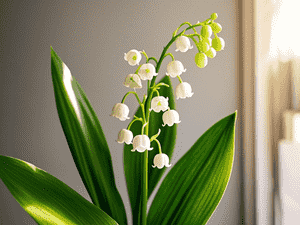
The ideal period for relocating lily of the valley is in early spring, since the cooler weather and damp earth foster robust root development. Select a shaded area with good drainage for optimal cultivation. During the transplanting process, handle the fragile root structure with extreme caution to avoid harm.
What Preparations are Needed Before Transplanting Lily Of The Valley?
What is the Ideal Time for Transplanting Lily Of The Valley?
The optimal period to relocate your lily of the valley is at the initial signs of spring. At this time, the ground is just beginning to thaw, allowing lily of the valley to establish roots prior to summer's heat. Moving lily of the valley during this early spring window ensures prime growth and flowering. It's in this season that these enduring beauties have the best chance to flourish. Furthermore, an early spring transplant provides lily of the valley ample time to recover before the demanding summer bloom cycle.
How Much Space Should You Leave Between Lily Of The Valley Plants?
When relocating lily of the valley, ensure a spacing of approximately 6-12 inches (15-30 cm) between them. This will provide each plant with adequate room to develop and thrive!
What is the Best Soil Mix for Lily Of The Valley Transplanting?
For lily of the valley, prepare the soil with well-draining, humus-rich material and incorporate a balanced, slow-release fertilizer to give the plants a strong start.
Where Should You Relocate Your Lily Of The Valley?
Select a spot with filtered sunlight or partial shade for your lily of the valley plants. They prefer cooler temperatures and will benefit from protection against the intense midday sun.
What Equipments Should You Prepare Before Transplantation Lily Of The Valley?
Gardening Gloves
To shield your hands from dirt and sharp implements.
Garden Trowel
Useful for excavating smaller holes for your lily of the valley.
Spade
To aid in the process of unearthing the lily of the valley from its original spot.
Pruning Shears
To trim any brown or lifeless parts of the plant before relocation.
Watering Can
To hydrate the plant following its transfer.
Wheelbarrow or Bucket
To move the plant without stressing its root system.
Garden Fork
Helpful for loosening the soil in the new site before placing the lily of the valley.
How Do You Remove Lily Of The Valley from the Soil?
How Do You Remove Lily Of The Valley from the Soil?
From Ground: First, it's crucial to water your lily of the valley plant to moisten the earth. Using your spade, dig a wide circle around the plant, ensuring the root ball remains intact. Gently loosen the soil until you can position the spade beneath the root ball, then carefully lift the lily of the valley from its initial location.From Pot: Fill your container with enough water to dampen the soil. Invert the pot and gently tap until the lily of the valley, along with its root ball, slides out. Be careful not to harm the roots during this process.From Seedling Tray: Water the young plants first. Then, using a small gardening tool or even a kitchen spoon, carefully loosen the soil surrounding the seedling. You should be able to lift the lily of the valley by its leaves or stem.
Step-by-Step Guide for Transplanting Lily Of The Valley
Preparation
Loosen the soil in the new spot using the garden fork. The loosened soil should be twice the width and the same depth as the root ball of your lily of the valley.
Placement
Position your lily of the valley in the center of the prepared soil. The top of the root ball should be level with the ground surface.
Backfill
Refill the hole around your lily of the valley using the excavated soil, gently pressing it around the plant. Avoid burying the plant deeper than it was in its original position.
Watering
Use your watering can to hydrate the lily of the valley after transplanting. This will help settle the soil around the roots.
Trimming
Prune any unhealthy-looking leaves or stems using the pruning shears. However, it's advisable to be conservative with pruning immediately after transplanting to minimize stress on the plant.
How Do You Care For Lily Of The Valley After Transplanting?
Monitoring
Observe your lily of the valley closely for the initial few weeks, watching for indications of transplant shock, such as yellowing foliage or wilting.
Rehydration
Consistent watering is essential, but remember not to overwater your lily of the valley. Excessive moisture can lead to root rot.
Trimming
Remove any brown or dead parts from your lily of the valley to help direct energy towards new growth.
Protection
Shield your lily of the valley from harsh weather conditions, pests, and wildlife for the first few weeks until it is robust and established in its new location.
Troubleshooting Common Issues with Lily Of The Valley Transplantation.
When is the best time to transplant lily of the valley?
Early spring is the ideal season to relocate lily of the valley. The increasing temperatures and extended daylight hours offer favorable growing conditions.
What's the optimal spacing for lily of the valley when transplanting?
For successful growth, lily of the valley plants should be spaced approximately 6-12 inches (15-30cm) apart. This ensures ample room for the plants to spread and develop.
Do I need to prepare the soil before transplanting lily of the valley?
Yes, enrich the soil with compost or organic matter before relocating lily of the valley. It thrives in fertile, moist yet well-drained soil, which promotes its growth.
Should I water lily of the valley immediately after transplanting?
Absolutely! Hydrate lily of the valley immediately after transplanting to help its roots settle and resume their function in this new environment.
What could cause lily of the valley to wilt after transplanting?
Lily of the valley may wilt after transplanting due to shock, insufficient water, or exposure to intense sunlight. Ensure regular watering and avoid scorching sun.
How deep should I plant lily of the valley during transplanting?
Aim to plant lily of the valley about 3 inches (7.6 cm) deep. This provides the plant with enough space to establish its root system without being too shallow.
Is there any specific pattern to follow when planting lily of the valley?
No specific pattern is required. However, planting lily of the valley in clusters can create a visually appealing display due to its groundcover-like growth habit.
Can I transplant lily of the valley in a pot?
Certainly, lily of the valley can be relocated to containers. Ensure the pot has adequate drainage holes to prevent waterlogged soil, which could lead to root rot.
What should I do if the leaves of lily of the valley look yellow after transplanting?
Yellow leaves could indicate overwatering or a nutrient deficiency. Try to adjust your watering routine and add some balanced, slow-release fertilizer to the soil.
Can I grow lily of the valley in shady areas?
Lily of the valley can tolerate shade and even prefers it. If the area is too sunny, the plant can get scorched, so moderate sunlight is ideal.



