How to Transplant Giant dogwood?
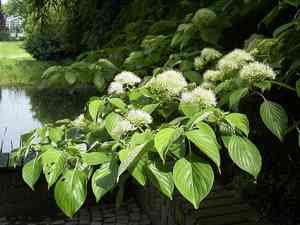
For Cornus controversa, the ideal period for relocation is at the onset of spring, when moderate temperatures prevail and root disturbance is minimized. Select a location that receives abundant sunlight and possesses soil with good drainage, facilitating a smooth adjustment. A careful strategy during this phase encourages vigorous growth.
What Preparations are Necessary Before Moving Giant Dogwood?
When is the Best Time to Relocate Giant Dogwood?
The optimal period for moving giant dogwood is during its revitalization phase in early to mid-spring. This timing allows giant dogwood to establish roots in cool, damp soil, increasing the likelihood of a successful relocation. Utilizing this window promotes robust growth and ensures the plant has ample time to adjust before the rigors of summer heat. A helpful hint: transplant giant dogwood as the garden awakens for a smooth transition into the growing season.
How Much Room Should Be Left Between Giant Dogwood Plants?
Before moving giant dogwood, confirm sufficient space in your garden. Ideally, these plants require approximately 10-15 feet (3-4.5 meters) of separation. This is crucial to provide your plant ample room for healthy development without competing with other vegetation. Enjoy your gardening!
What is the Best Soil Mixture for Giant Dogwood Relocation?
For a successful giant dogwood transplant, opt for well-draining soil. Additionally, enrich the soil with compost or a foundational fertilizer before planting. This helps supply the essential nutrients your giant dogwood needs to flourish. A little preliminary work for a thriving plant!
Where Should You Replant Your Giant Dogwood?
Selecting the correct spot for giant dogwood is vital! Position your plant where it can receive full to partial sun, typically meaning at least 4 hours of direct sunlight daily. Prepare to see your plant thrive!
What Equipment Should You Prepare Before Moving Giant Dogwood?
Shovel or Spade
Perfect for excavating and removing soil around the giant dogwood while keeping the plant's root ball intact.
Gardening Gloves
To safeguard your hands while handling soil and the plant.
Wheelbarrow or Gardening Trolley
For transporting the giant dogwood plant and its soil to its new spot.
Watering Can
To hydrate the plant before and after its relocation.
Mulch
Aids in retaining soil moisture and inhibiting weed growth post-transplant.
Stakes and Ties
To offer support to the giant dogwood plant after it has been moved, if needed.
How Do You Extract Giant Dogwood from the Ground?
How Do You Extract Giant Dogwood from the Ground?
From Ground: Water the giant dogwood plant generously to moisten the soil. Using a shovel or spade, dig a wide trench around it, being careful not to disturb its root ball. Gently work the spade beneath it and lift the plant, preserving as much of the root ball and soil as possible.From Pot: Water the giant dogwood plant and carefully turn the pot on its side, ensuring no damage to the foliage. Lightly tap the base and sides of the pot to loosen the root ball. Grasp the base of the giant dogwood stem and gently ease it out of the pot, keeping the root ball intact.From Seedling Tray: Water the seedlings. Using a spoon or garden trowel, carefully scoop out each giant dogwood seedling, digging broadly enough to capture all roots without harm.
Step-by-Step Guide for Relocating Giant Dogwood
Hole Preparation
Excavate a hole as deep as the root ball and twice its width. This provides ample space for the roots to spread.
Placement of giant dogwood
Position the giant dogwood plant into the hole, ensuring the top of the root ball is level with the ground surface.
Filling the Hole
Backfill the hole using the excavated soil, firming the soil around the giant dogwood with your hands as you fill. Confirm the plant is upright and not leaning.
Watering
Thoroughly water the plant until water begins to pool on the surface. This will eliminate any air pockets in the soil.
Mulching
Apply a layer of mulch around the plant, but ensure it doesn't touch the plant's stem.
How Do You Care For Giant Dogwood After Relocation?
Staking
If the giant dogwood is tall and slender, it might require staking until its roots develop sufficiently to support the plant independently. This should be a temporary aid and removed once the plant is established.
Protection
For the initial year, shield giant dogwood from harsh weather conditions such as strong winds or frost.
Careful Watering
Always water thoroughly but avoid overwatering, which can lead to root rot. Adjust watering based on rainfall and season, increasing frequency during drier periods or seasons.
Pruning
Trim any dead or damaged branches to direct growth towards the healthy sections of the giant dogwood.
Troubleshooting Common Issues with Giant Dogwood Relocation.
When is the optimal time for moving giant dogwood?
You should relocate giant dogwood in early spring or early autumn, referred to as 'S1-S2.' This ensures the plant has sufficient time to establish its root system before significant weather changes occur.
How much distance should I maintain between each giant dogwood during relocation?
Always keep a separation of 10-15 feet (3-4.5 meters) when planting giant dogwood. This spacing allows your plants ample room to fully develop and thrive, without competing for vital nutrients and water.
What are the ideal soil conditions for relocating giant dogwood?
Giant dogwood prefers well-drained soil. Transplant in an area where the soil does not retain water for too long to prevent root rot.
How deep should I plant giant dogwood during relocation?
Plant giant dogwood at the same depth it was growing before relocation. Burying it too deeply could cause the stem to rot, while planting it too shallowly might lead to root desiccation.
Should I water giant dogwood immediately after relocating?
Absolutely! It's crucial to water giant dogwood generously right after relocating to ensure the soil settles properly around the root ball and minimizes transplant shock.
Can I use fertilizer immediately after relocating giant dogwood?
No, refrain from fertilizing giant dogwood immediately post-relocation. Wait approximately 3-4 weeks for the plant to adapt to its new environment. Fertilizing at this stage can stress the plant.
What signs indicate that my giant dogwood is not adjusting well after relocation?
If your giant dogwood exhibits signs like wilted or yellowed leaves, stunted development, or a lack of new growth, it suggests the plant may not be establishing well after relocation.
Is it necessary to prune giant dogwood during the relocation process?
Pruning is indeed beneficial during relocation. It promotes more compact growth and helps reduce water loss from excess foliage, making it easier for giant dogwood to establish.
What size should the relocation hole be for giant dogwood?
The relocation hole should be twice as wide and the same depth as the giant dogwood's root ball. This ensures the roots have ample room to grow and spread.
How frequently should I water giant dogwood after relocation?
Water giant dogwood immediately after relocating, then continue to water regularly depending on the weather. The soil should be moist, but not waterlogged. Check soil moisture regularly and adjust watering accordingly.



