How to Transplant Roughleaf dogwood?
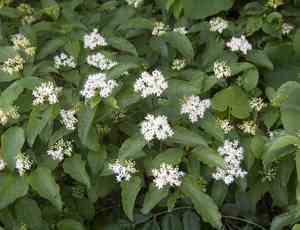
The most favorable time to transplant roughleaf dogwood is during the spring, as new life emerges, which guarantees robust development. Choose a location offering partial sunlight and soil that drains effectively. When relocating roughleaf dogwood, make certain to disturb the root system as little as possible to facilitate a smooth adaptation.
What Preparations are Needed Before Transplanting Roughleaf Dogwood?
What is the Ideal Time for Transplanting Roughleaf Dogwood?
The optimal period for moving roughleaf dogwood is early spring. This season, with its mild temperatures and increasing daylight, encourages robust root development and plant recovery. Transplanting roughleaf dogwood at this time leverages natural growth cycles, boosting resilience before summer's heat. It's a supportive moment that allows roughleaf dogwood to settle, ensuring a strong transition and a thriving future. With soil just beginning to warm and frequent spring rains, roughleaf dogwood will have ideal conditions to flourish in its new spot.
How Much Space Should You Leave Between Roughleaf Dogwood Plants?
First, ensure adequate spacing for your roughleaf dogwood. Given their mature size, position each plant approximately 6-8 feet (1.8-2.4 meters) apart. This will enable healthy development without overcrowding. It's a simple beginning!
What is the Best Soil Mix for Roughleaf Dogwood Transplanting?
For roughleaf dogwood, select soil that drains well. This plant favors soil that is slightly acidic to neutral (pH of 6-7). Before planting, incorporate some slow-release granular fertilizer (such as a 10-10-10 blend) into the soil. This will give the plant a strong start!
Where Should You Relocate Your Roughleaf Dogwood?
You've prepared the soil and spacing, now let's find the perfect spot. Roughleaf dogwood thrives in partial to full sun! Locate an area that receives ample natural light but avoids harsh midday sun. A little shade is also acceptable. Your plant will appreciate it!
What Equipments Should You Prepare Before Transplantation Roughleaf Dogwood?
Garden Shovel
A tool utilized for digging, lifting, and transferring loose materials, such as earth, gravel, snow, and sand. In this instance, it will be used to excavate holes for transplanting the young roughleaf dogwood.
Gardening Gloves
To safeguard your hands while handling soil and plants. They will keep your hands clean and protected from any thorns or sharp objects.
Watering Can or Hose
To thoroughly hydrate the roughleaf dogwood before and after transplanting, providing the necessary moisture for root establishment.
Wheelbarrow or Garden Cart (Optional)
To transport the roughleaf dogwood from its original location to the new site if the distance is significant.
How Do You Remove Roughleaf Dogwood from the Soil?
How Do You Remove Roughleaf Dogwood from the Soil?
From Ground: Start by moistening the ground around the roughleaf dogwood to soften the soil for easier removal. Using a garden shovel, dig a wide trench around the plant, ensuring the root ball remains intact. Continue digging beneath the root ball and carefully lift the plant from its initial position.From Pot: If the roughleaf dogwood is in a container, water it thoroughly. Then, place your hand over the top of the pot, holding the plant's stem between your fingers, and invert the pot. Gently tap the bottom and sides of the pot to loosen the soil and roots.From Seedling Tray: For seedlings, first water the tray to minimize root disturbance. Carefully lift each seedling by its leaves and use a dibber or pencil to raise the roots from beneath the tray.
Step-by-Step Guide for Transplanting Roughleaf Dogwood
Preparation
Before transplanting, water the roughleaf dogwood thoroughly. The damp soil will safeguard the delicate roots during the transplanting process.
Digging
Using your shovel, excavate a hole in your chosen spot that is twice as wide and equal in depth to the plant's root ball.
Placing
Position the roughleaf dogwood into the hole, ensuring it is at the same depth as it was in its original location. If it is too deep, make necessary adjustments by adding some soil to the bottom of the hole.
Backfilling
Refill the hole with the original soil, making sure all roots are covered and no air pockets remain.
Watering
Water the plant immediately after planting to help the soil settle and eliminate any remaining air pockets.
Monitoring
Closely observe your newly transplanted roughleaf dogwood for the first few days to ensure it is adapting to its new environment.
How Do You Care For Roughleaf Dogwood After Transplanting?
Watering
Maintain consistent moisture around the roughleaf dogwood for the initial weeks following transplanting to aid in establishing strong roots. Ensure the soil is moist, not waterlogged, and allow it to dry slightly between waterings.
Mulching
Applying a layer of organic mulch around the base of the roughleaf dogwood can help keep the soil cool, reduce water loss due to evaporation, and suppress weed growth.
Protection
Newly transplanted plants can be somewhat sensitive. Shield them from strong winds and intense sunlight by using lightweight row covers for the first week or two after transplanting. Remember to remove this cover as the plant matures and requires exposure to the elements.
Periodic Inspection
Regularly examine your transplanted roughleaf dogwood for any indications of nutrient deficiency or disease. Do so by checking if the leaves are yellowing or appear wilted. If any symptoms emerge, consult with your local garden center or extension service.
Troubleshooting Common Issues with Roughleaf Dogwood Transplantation.
What is the best time of the year for transplanting roughleaf dogwood?
Transplanting roughleaf dogwood is optimally performed during early to mid-year, thus 'S1-S3' is the ideal period for this task.
How much spacing is required between each roughleaf dogwood when transplanting?
Maintain a healthy distance of approximately 6-8 feet (1.8-2.4 meters) between each plant during the transplanting process.
How deep should I dig the hole for transplanting roughleaf dogwood?
The hole should be twice as wide and just as deep as the root ball of roughleaf dogwood. This facilitates easy root spread.
Is there a specific way to remove roughleaf dogwood for transplanting?
Yes, loosen the surrounding soil with a trowel or spade, then gently lift roughleaf dogwood from its base to prevent root damage.
Should I water roughleaf dogwood immediately after transplanting?
Yes, roughleaf dogwood should be thoroughly watered after transplanting to help the roots establish themselves in the new soil.
Should I prune roughleaf dogwood during transplanting?
Prune roughleaf dogwood lightly before transplanting. This will encourage new growth and help the plant prioritize reestablishing its root system.
What should I do if roughleaf dogwood wilts after transplanting?
Wilting is common as the plant adjusts. Keep the soil moist but not saturated, and avoid full sun exposure for a few days.
How can I ensure the well-being of roughleaf dogwood post-transplant?
Check the soil regularly to maintain moisture, and add mulch to keep the roots cool and damp. Fertilize sparingly only after the plant has settled.
Should I stake roughleaf dogwood after transplanting?
Staking is not required unless roughleaf dogwood is tall and unstable. It can restrict beneficial movement and natural growth if done unnecessarily.
What type of soil is best for transplanting roughleaf dogwood?
Roughleaf dogwood prefers well-drained soil. Enrich the planting hole with compost to enhance fertility and water-holding capacity.



