How to Transplant Flowering dogwood?
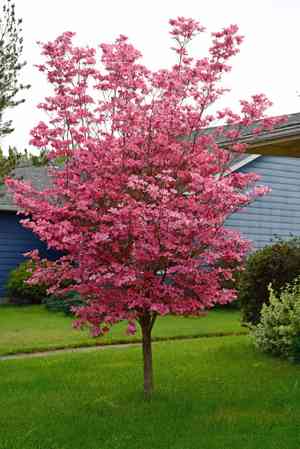
The most favorable period for relocating flowering dogwood is from late spring through mid-summer, when temperatures are mild. Select a site offering filtered sunlight and soil that drains effectively. Bear in mind that the likelihood of successful transplantation significantly improves by preserving the root mass whole and providing regular hydration.
What Preparations are Needed Before Transplanting Flowering Dogwood?
What is the Ideal Time for Transplanting Flowering Dogwood?
The optimal period to relocate flowering dogwood is from late spring through mid-summer, as this offers prime conditions for development. Moving it during this timeframe promotes robust root establishment, better adaptation, and a vibrant display of its characteristic blossoms.
How Much Space Should You Leave Between Flowering Dogwood Plants?
When relocating your flowering dogwood, ensure a spacing of 15-30 feet (4.5-9 meters) between them. This provides ample room for growth and expansion, maximizing their potential for a healthy, beautiful existence in your garden!
What is the Best Soil Mix for Flowering Dogwood Transplanting?
For flowering dogwood, it's crucial to have well-draining, slightly acidic soil with a pH of 6.0-6.5. Prior to transplanting, incorporate organic matter or compost to enrich the soil and add a slow-release fertilizer to encourage strong root development and overall plant vitality.
Where Should You Relocate Your Flowering Dogwood?
Your flowering dogwood will flourish best in a location with full sun to partial shade. Select a spot that receives at least 4-6 hours of daily sunlight. To shield the flowering dogwood from intense afternoon sun, consider positioning it on the east or north side of a structure or tree.
What Equipments Should You Prepare Before Transplantation Flowering Dogwood?
Gardening Gloves
To safeguard your hands while handling soil and the plant.
Shovel or Spade
Utilized for excavating holes and lifting the root mass.
Pruning Shears
For trimming any damaged or lifeless branches before relocation.
Measuring Tape or Ruler
To gauge the depth and width of the planting cavity.
Tarp or Wheelbarrow
For transporting the plant and soil material.
Watering Can or Hose
For hydrating the plant during and after its move.
Mulch
To aid in moisture retention, regulate ground temperature, and inhibit weed growth.
How Do You Remove Flowering Dogwood from the Soil?
How Do You Remove Flowering Dogwood from the Soil?
- From Ground:Hydrate the flowering dogwood plant to moisten the earth, facilitating its extraction. Excavate a broad trench around the plant using a shovel or spade, ensuring the plant's root ball remains intact. Carefully maneuver the spade beneath the root ball to lift the plant from its original spot.- From Pot:Gently tilt the container on its side, supporting the flowering dogwood plant with your other hand. Slide the plant out of the pot, handling it by the root ball. If it's tightly root-bound, carefully loosen the roots with your fingers.- From Seedling Tray:Fill a small container with moist soil. Gently pinch the base of the flowering dogwood seedling stem, easing the plant and its roots from the tray. Place the seedling in the prepared container, ensuring the roots are covered with soil.
Step-by-Step Guide for Transplanting Flowering Dogwood
Site Preparation
Ready the transplant location by clearing away weeds, stones, and debris. Cultivate the soil to a minimum depth of 12 inches to enhance aeration and drainage.
Digging the Hole
Using a shovel or spade, excavate a hole twice the width of the root ball and as deep as the plant's original soil line.
Preparing the Plant
Examine the flowering dogwood plant for any damaged or dead branches, trimming them with pruning shears. Gently remove or loosen any compacted roots if the plant is root-bound.
Placing the Plant
Position the flowering dogwood plant in the center of the hole, ensuring the top of the root ball is level with the surrounding soil.
Filling the Hole
Carefully backfill the hole with soil, lightly tamping it down to eliminate air pockets. Avoid covering the root ball's top with excessive soil.
Watering
Thoroughly water the flowering dogwood plant to settle the soil around the roots, saturating the root ball.
Mulching
Apply a 2-3 inch layer of mulch around the base of the plant, keeping it 2 inches away from the stem to prevent rot.
How Do You Care For Flowering Dogwood After Transplanting?
Watering
Water the flowering dogwood plant consistently during the initial weeks, monitoring soil moisture to ensure it stays damp but not waterlogged.
Pruning
Regularly inspect the flowering dogwood for damaged or diseased branches, trimming them as necessary to maintain vigorous growth.
Pest Control
Keep a watchful eye for pests or diseases, addressing them promptly to prevent further harm to your flowering dogwood plant.
Frost Protection
If frost is a concern in your region, cover the flowering dogwood with a frost cloth or relocate potted plants to a sheltered spot during cold temperatures.
Troubleshooting Common Issues with Flowering Dogwood Transplantation.
What's the ideal season to transplant flowering dogwood?
The optimal period to relocate flowering dogwood is during late spring to midsummer, when it's warm and actively growing.
How far apart should I space flowering dogwood when transplanting?
Space flowering dogwood plants 15-30 feet (4.6-9.1 meters) apart to allow sufficient room for development and ensure good air circulation.
What kind of soil is best for transplanting flowering dogwood?
Flowering dogwood prefers well-draining, moist, organically rich soil with a pH of 6.0 to 7.0. Avoid waterlogged or heavy clay soils.
How deep and wide should I dig the planting hole for flowering dogwood?
Excavate the hole 2-3 times the width of the root ball and as deep as the root ball. This permits proper root expansion.
Do I need to amend the soil when transplanting flowering dogwood?
Yes, incorporate compost or aged manure to enhance soil quality, providing essential nutrients and improving moisture retention.
How should I prepare the root ball before transplanting flowering dogwood?
Gently remove any burlap or container, loosen compacted roots, and immerse the root ball in water for 30 minutes.
How to place the flowering dogwood plant into the planting hole?
Position the plant in the center of the hole, ensuring the top of the root ball is level with the soil surface.
What's the proper technique to fill the planting hole for flowering dogwood?
Fill the hole halfway with soil-amendments mix, water it thoroughly, and allow it to settle before filling the remainder.
How should I water flowering dogwood after transplanting?
Water thoroughly immediately after transplanting, then weekly for the first growing season, keeping the soil consistently moist.
How can I protect flowering dogwood from transplant shock?
Trim damaged roots before planting, apply mulch to retain soil moisture, and refrain from fertilizing until new growth emerges.



