How to Transplant American hazelnut?
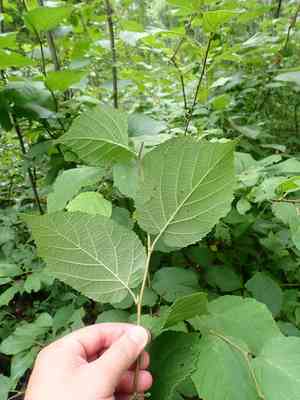
For american hazelnut, early spring provides the most favorable conditions for relocation. Choose a site that receives partial shade and possesses soil with good drainage. To foster vigorous development, guarantee minimal disruption to the root system throughout the procedure.
What Preparations are Needed Before Transplanting American Hazelnut?
What is the Ideal Time for Transplanting American Hazelnut?
Relocate american hazelnut as winter's chill recedes, at the dawn of nature's revival. This timing ensures robust root development prior to summer's warmth. Adopting this schedule promotes vigorous growth, allowing american hazelnut to flourish. When settled into the earth at this juncture, you unlock their capacity for resilience and development. Rely on this gentle season to facilitate american hazelnutâs successful transition.
How Much Space Should You Leave Between American Hazelnut Plants?
For your american hazelnut, a helpful guideline is to provide ample room between each specimen. Ideally, you'd want to maintain a separation of about 8-12 feet (2.4-3.6 meters). This grants each american hazelnut sufficient space to grow without competing for light and nutrients.
What is the Best Soil Mix for American Hazelnut Transplanting?
Regarding soil, american hazelnut prefers well-draining loamy earth. Incorporating a foundational fertilizer rich in organic matter would be beneficial. Materials such as compost or aged manure are excellent for preparing the soil for your american hazelnut's relocation.
Where Should You Relocate Your American Hazelnut?
Concerning placement, american hazelnut thrives with partial to full sun exposure. This implies planting it in a spot that receives at least four to six hours of sunlight daily would be advantageous. Remember, a thoughtfully chosen site will help your american hazelnut prosper!
What Equipments Should You Prepare Before Transplantation American Hazelnut?
Gardening Spade
This classic gardening implement is perfect for excavating holes for american hazelnut and can also assist in preparing your chosen planting area.
Gardening Gloves
These will safeguard your hands while you work with the soil and handle the american hazelnut.
Watering Can or Hose
You'll require this to hydrate the transplant site and the american hazelnut both before and after relocation.
Wheelbarrow or Container
A method for moving the american hazelnut from its original spot to its new home.
Pruning Shears
These are optional but useful if you need to trim back some growth on the american hazelnut to simplify the transplantation process.
How Do You Remove American Hazelnut from the Soil?
How Do You Remove American Hazelnut from the Soil?
From Ground: Hydrate the american hazelnut to moisten the soil, making extraction easier. Dig a wide trench around the plant using a spade, ensuring the plant's root ball remains intact. Work the spade beneath the root ball and lift the american hazelnut from its initial location.From Pot: Water the american hazelnut an hour before the move to ease the transition. Invert the pot, hold the plant at its base, and gently pull. Tap the pot, and the plant should slide out with the soil and roots undisturbed.From Seedling Tray: Water the american hazelnut first, then invert the tray and gently tap it. The seedlings should dislodge easily. Handle the american hazelnut with care as seedlings are delicate and prone to damage.
Step-by-Step Guide for Transplanting American Hazelnut
Digging the Hole
Consider the size of the american hazelnutâs root ball (measuring it might be beneficial) and excavate a hole twice as wide and deep.
Preparing the Hole
Fill the hole with water and allow it to drain completely. This ensures the soil has adequate moisture levels.
Placement
Carefully position the american hazelnut in the hole, ensuring the root ball is level with the surrounding ground. Avoid burying it too deeply as this can harm the plant.
Backfilling
Refill the hole, gently firming the soil as you proceed, to eliminate any air pockets.
Watering
Thoroughly water the american hazelnut after transplanting, to help settle the soil and establish good contact between the roots and their new environment.
How Do You Care For American Hazelnut After Transplanting?
Watering
Keep the soil around the american hazelnut consistently moist, but not waterlogged, during its initial season. This aids in establishing the plant's root system.
Pruning
Minimal pruning is necessary for the american hazelnut, but removing dead or diseased branches will help direct energy towards healthier growth.
Checking for Pests and Diseases
Regularly inspect your american hazelnut for indications of pests or diseases. Early detection and intervention can prevent severe harm.
Mulching
Around the base of the american hazelnut, apply mulch to help retain soil moisture and suppress weed growth.
Troubleshooting Common Issues with American Hazelnut Transplantation.
When is the best time to transplant american hazelnut?
The optimal period to relocate american hazelnut is between late winter and early spring, referred to as S1-S2.
How much space should I leave between each american hazelnut when transplanting?
You should maintain a distance of approximately 8-12 feet (2.4-3.6 meters) between each american hazelnut. This provides ample room for development.
What's the ideal soil condition for transplanting american hazelnut?
American hazelnut thrives in well-draining soil. Enrich the soil with organic compost for nutrient availability, ensuring a successful relocation.
How can I tell if my american hazelnut is ready to be transplanted?
Once the american hazelnut sapling has outgrown its container or exhibits vigorous growth, it's prepared for transplantation. Just ensure it's the S1-S2 period.
Should I water american hazelnut immediately after transplanting?
Absolutely. Watering helps to settle the soil around the roots, eliminating air pockets and promoting root-to-soil contact, crucial after relocation.
How deep should the hole be when transplanting american hazelnut?
The hole should be approximately twice the root ball's width and the same depth. This gives the american hazelnut plenty of room to establish.
Could the transplantation process harm the american hazelnut?
Transplantation can initially be stressful for american hazelnut, but providing proper care like optimal watering, sunlight, and nutrients minimizes any potential harm.
Is it possible to transplant a mature american hazelnut?
It's quite challenging to relocate a mature american hazelnut due to its extensive root system. It's generally more successful with younger, less established plants.
My transplanted american hazelnut looks distressed, what could be wrong?
It's normal for american hazelnut to show signs of distress post-transplant. If it continues beyond a few weeks, check for insufficient watering, incorrect spacing, or inadequate sunlight.
How long does it take for american hazelnut to establish after transplanting?
American hazelnut typically takes about two years to fully establish after transplanting. Take care to provide suitable conditions during this important growth period.



